Blog
How to Eat Yakiniku Like a Local: Wagyu BBQ Guide

Walking into a proper Japanese barbecue restaurant for the first time hits all your senses at once. The air is heavy with the caramelized scent of roasting beef, the table grills radiate warmth, and the rhythmic sizzle of rendering fat fills the room. It is a brilliant atmosphere, but when you are handed an extensive menu of unfamiliar cuts and tasked with cooking premium Japanese beef yourself, it can feel a bit intimidating.
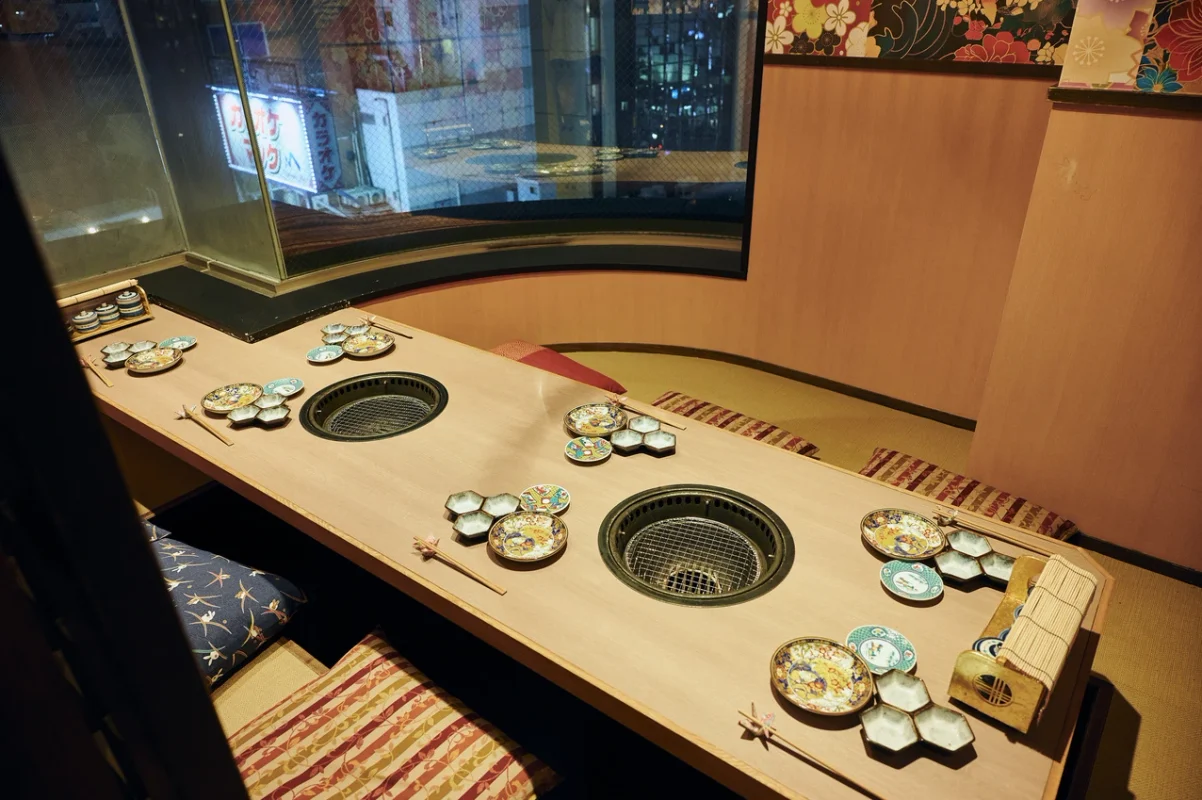
It does not have to be. Yakiniku is essentially interactive BBQ—a hands-on, highly communal way of eating designed to be enjoyed at your own pace. Whether you are building your Tokyo travel itinerary or booking a table right here at Halal Wagyu Yakiniku, understanding the rhythm of the grill completely transforms the experience.
Here is everything you need to know to navigate the menu, understand the grading system, and command the grill like a seasoned local.
Understanding the Wagyu Grading System: What Does A5 Actually Mean?
Before you even look at the different cuts of meat, you will likely see the term “A5” across the menu. If you are going to dine like a local, you should know exactly what you are paying for. The Japanese meat grading system is arguably the strictest in the world.
- The Letter (Yield Grade): Graded from A to C, this letter represents the yield of usable meat from the cattle. “A” is the highest possible rating, meaning the cattle produced a superior yield of premium meat.
- The Number (Quality Grade): Graded from 1 to 5, this number evaluates four specific characteristics: marbling, color and brightness, firmness and texture, and the quality of the fat. A score of “5” means the beef is flawless across all categories.
- Beef Marbling Standard (BMS): To achieve that coveted “5” rating, the beef must also score between an 8 and a 12 on the BMS scale, which measures the intricate web of intramuscular fat.
When you order A5 wagyu, you are eating the absolute pinnacle of Japanese beef—a rare, luxurious ingredient that requires careful attention on the grill.
Decoding the Menu: The Best Cuts for Beginners
The biggest mistake first-timers make is ordering a mountain of the richest, fattiest wagyu all at once. True yakiniku appreciation is about pacing. You want to start lean, build up to the heavy hitters, and utilize side dishes to keep your palate fresh.
The Essential Starters
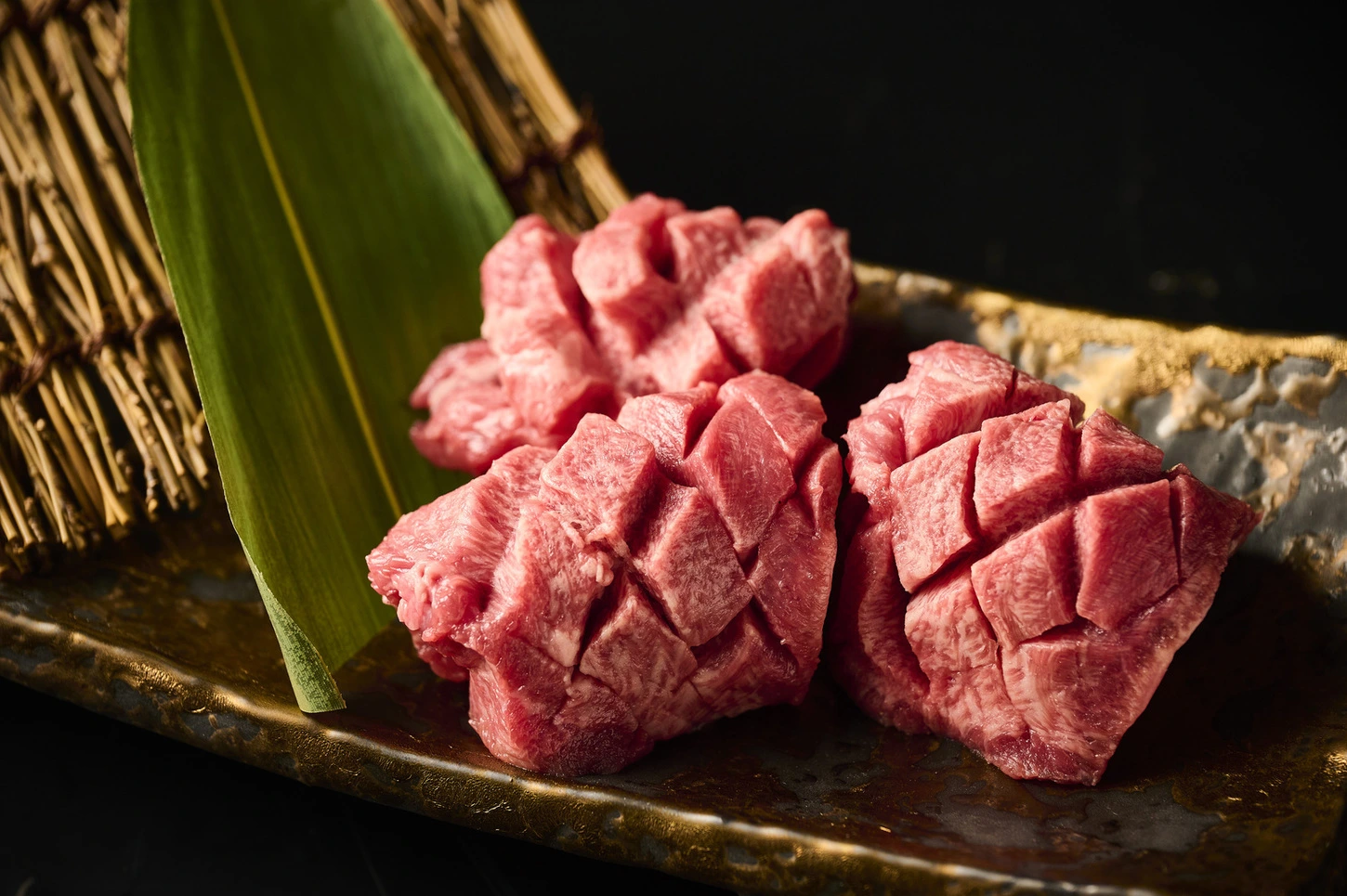
- Gyutan (Beef Tongue): The unspoken rule of Japanese BBQ is to start your meal here. Sliced thin and seasoned lightly with salt, it cooks quickly and keeps your grill net completely clean for the next rounds. Enjoy it simply with a squeeze of fresh lemon juice.
- Harami (Skirt Steak): If you crave a robust, earthy beef flavor, skirt steak is your go-to cut. It is exceptionally tender, acts as a perfect sponge for marinades, and gives your palate a necessary break from the ultra-rich cuts.
The Wagyu Heavyweights
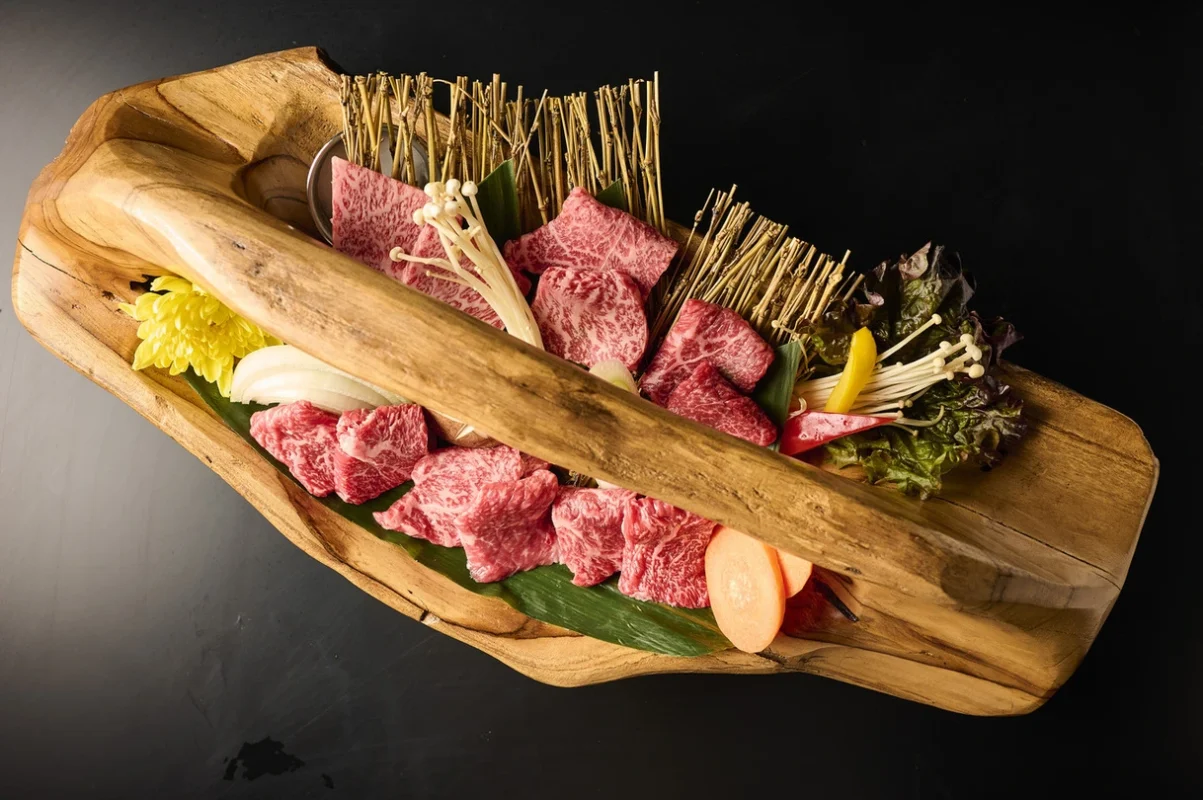
- Karubi (Short Rib): This is the undisputed star of the yakiniku menu. Taken from the short rib, it showcases the heavy, intricate marbling wagyu is famous for. It cooks in a flash and delivers that iconic, melt-in-your-mouth texture.
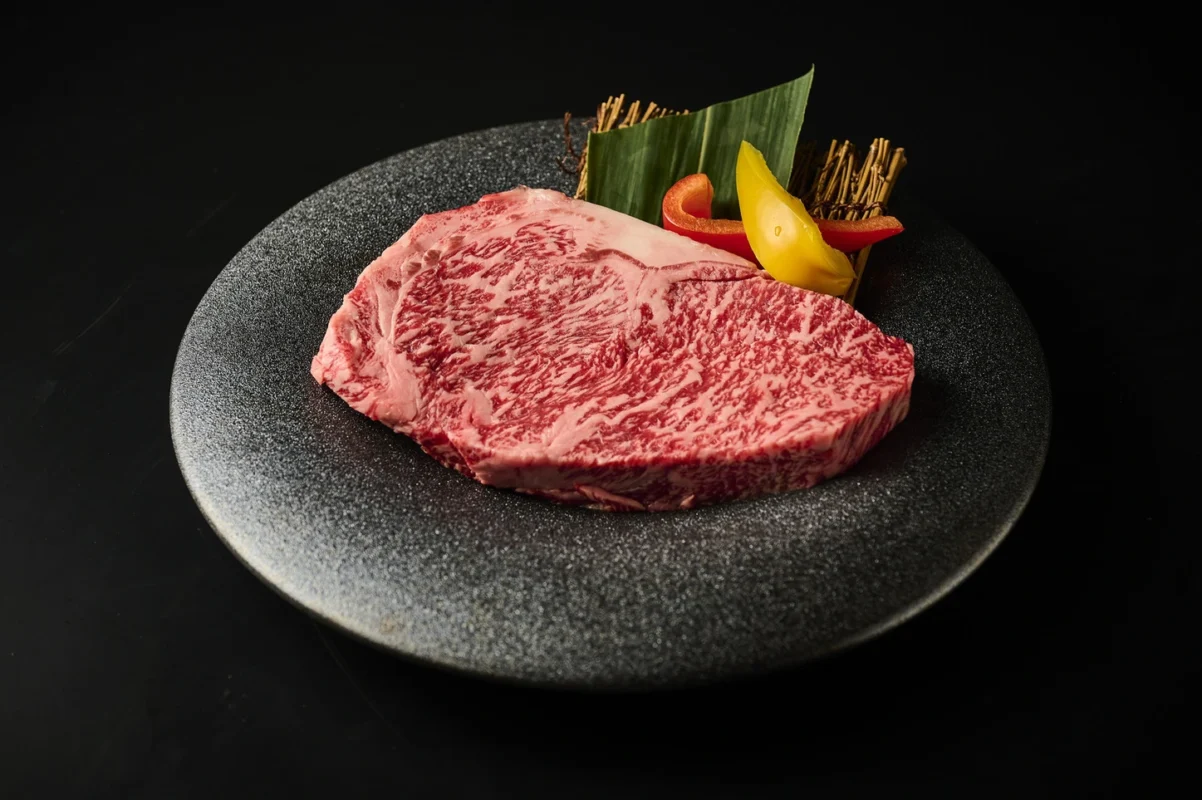
- Rosu (Loin): A beautiful middle ground. It is leaner than short rib but still features elegant marbling, providing a silky texture without feeling overly heavy.
The Perfect Pairings: Sides and Palate Cleansers
Eating A5 wagyu is a rich, luxurious experience, but the high fat content can quickly lead to palate fatigue. To eat like a local, you must incorporate side dishes to reset your tastebuds.
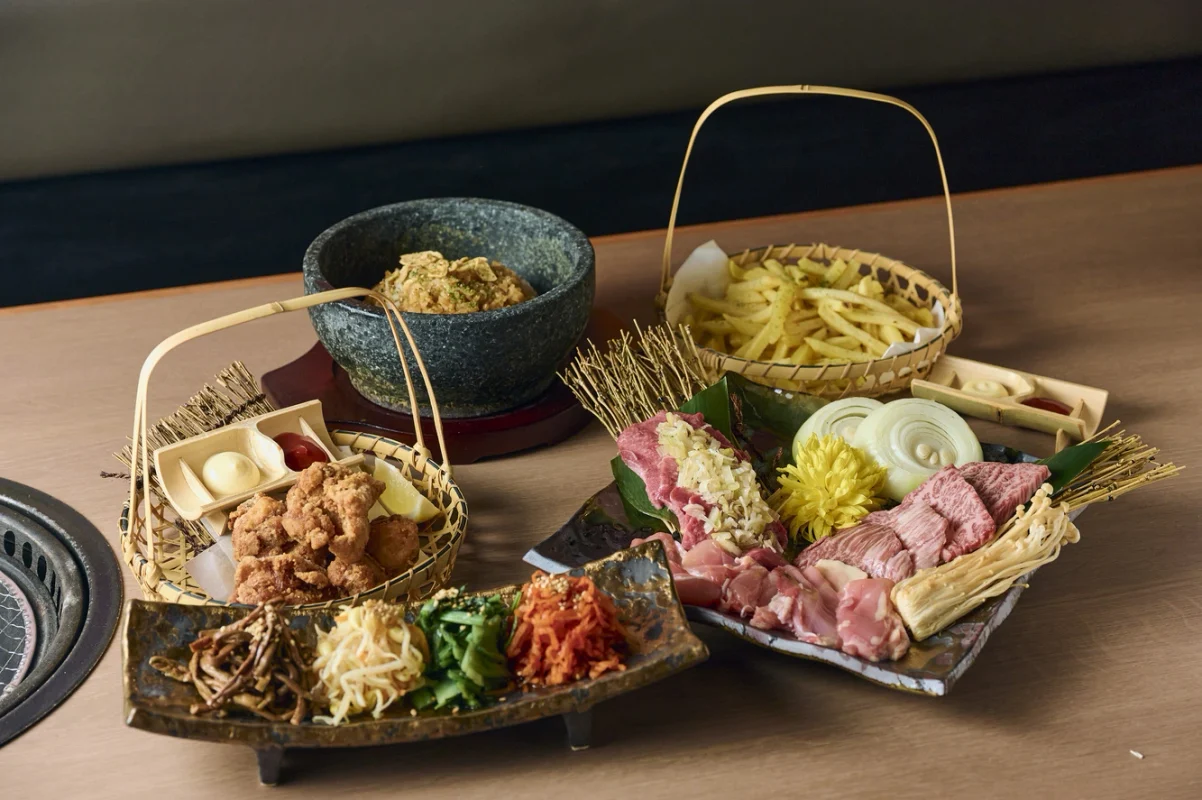
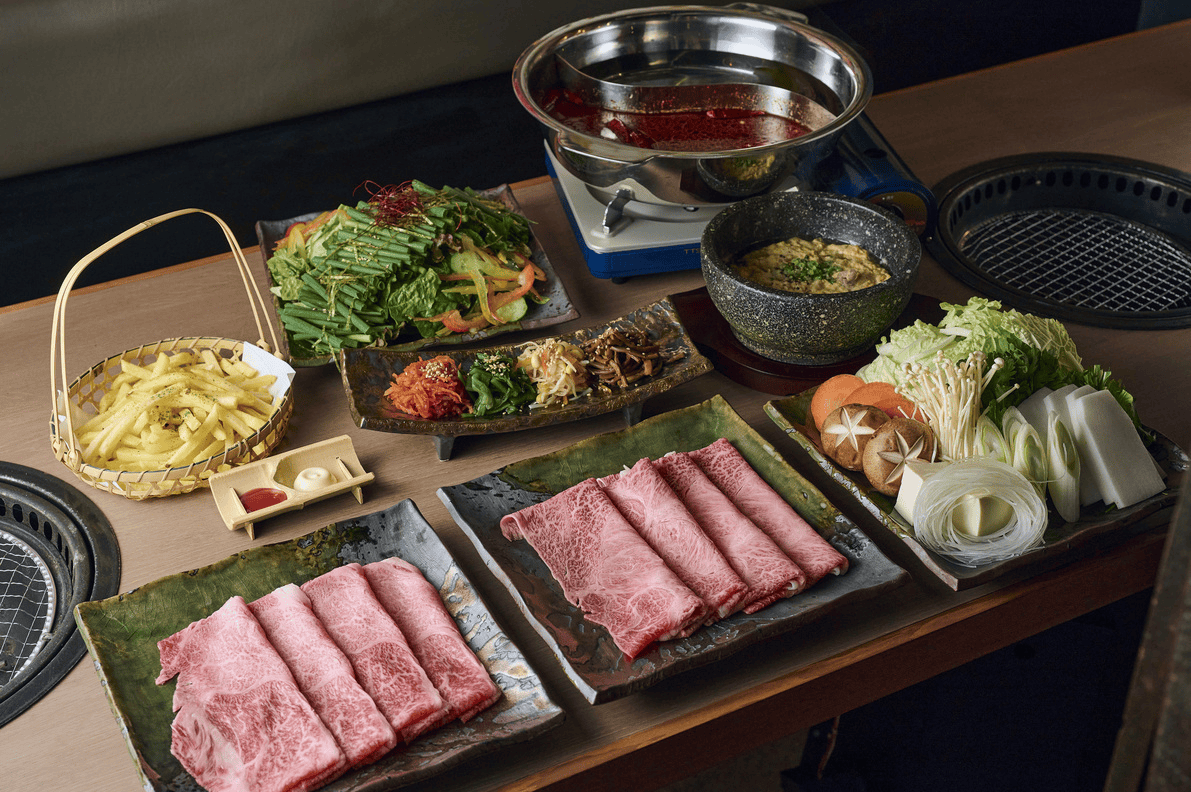
- Namul and Kimchi: Assorted seasoned vegetables (like bean sprouts, spinach, and daikon) and fermented kimchi provide essential acidity and crunch that cut through the heavy beef fat.
- Sanchu (Lettuce Wraps): Instead of eating every piece of meat on its own, order a basket of crisp sanchu. Wrap a hot piece of tare-marinated meat in the lettuce with a dab of garlic or miso paste for a fresh, crunchy contrast.
- Reimen (Cold Noodles): It is a common Japanese tradition to end a heavy yakiniku meal with a bowl of chewy, cold Korean-style noodles in a chilled, tangy broth. It acts as the perfect, refreshing conclusion to the savory courses.
- Oolong Tea: While sodas are popular, traditional iced Oolong tea is the local beverage of choice. Its slightly bitter, roasted flavor perfectly washes away the lingering oils from the wagyu.
Advanced Premium Cuts
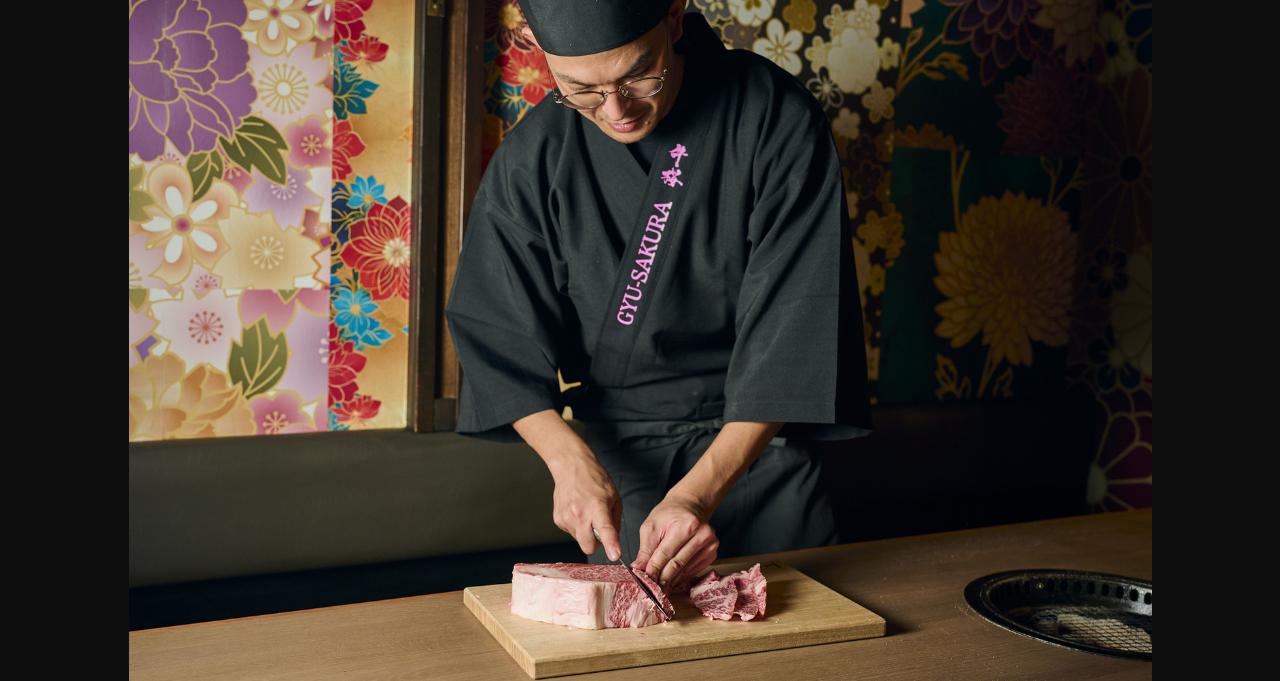
- Zabuton (Chuck Flap): Named after the traditional Japanese sitting cushion it resembles, this is an ultra-premium, highly marbled cut from the shoulder. It is incredibly rich and practically dissolves on the tongue.
- Misuji (Top Blade): A rare cut characterized by a distinct line of cartilage running down the middle. It offers an intense, sweet umami flavor and is highly sought after by yakiniku enthusiasts.
Mastering the Grill: How to Cook A5 Wagyu
When dealing with premium Japanese Black cattle, your main goal is to protect the texture. Because A5 wagyu has such a high percentage of fat, it cooks remarkably fast.
- Follow the “One-Flip” Rule: Patience is critical. Place a slice of meat on the grill and leave it alone. Once you see the natural juices pool and glisten on the top surface, flip it exactly once. Sear the opposite side for a few seconds, then remove it from the heat immediately.
- Do Not Overcrowd the Net: A table grill is not a frying pan. Cook only three or four pieces at a time. Overcrowding drops the ambient temperature of the grill, causing the meat to steam rather than develop a caramelized sear.
- Manage the Flames: Rendering wagyu fat will drip into the heat source and cause sudden flare-ups. If the flames jump, simply use your tongs to slide the meat to the cooler, outer edges of the grill.
- Swap the Net: Marinades and carbon will eventually burn onto the metal. Do not hesitate to ask the staff for a fresh net (ami wo kaete kudasai) to keep your meat tasting clean.
The Unspoken Rules of Yakiniku Etiquette
Beyond the cooking mechanics, observing a few basic table manners ensures a hygienic and respectful dining experience.
- Separate Your Tongs: This is the golden rule of yakiniku. Never use your personal eating chopsticks to handle raw meat. Use the dedicated table tongs to move meat onto the grill and onto your plate, then switch to your chopsticks to eat. This prevents cross-contamination.
- Pace Your Order: Do not order your entire meal at once. Order in phases: start with appetizers and tongue, move to your primary wagyu cuts and rice, and finish by ordering your cold noodles or dessert. This ensures your table isn’t cluttered and your meat doesn’t sit out at room temperature for too long.
- Do Not Drown the Beef: If your wagyu is served with a dipping sauce (tare), give it a quick, light tap in your personal sauce saucer. Letting the meat soak in the sauce overpowers the natural, sweet umami flavor of the beef.
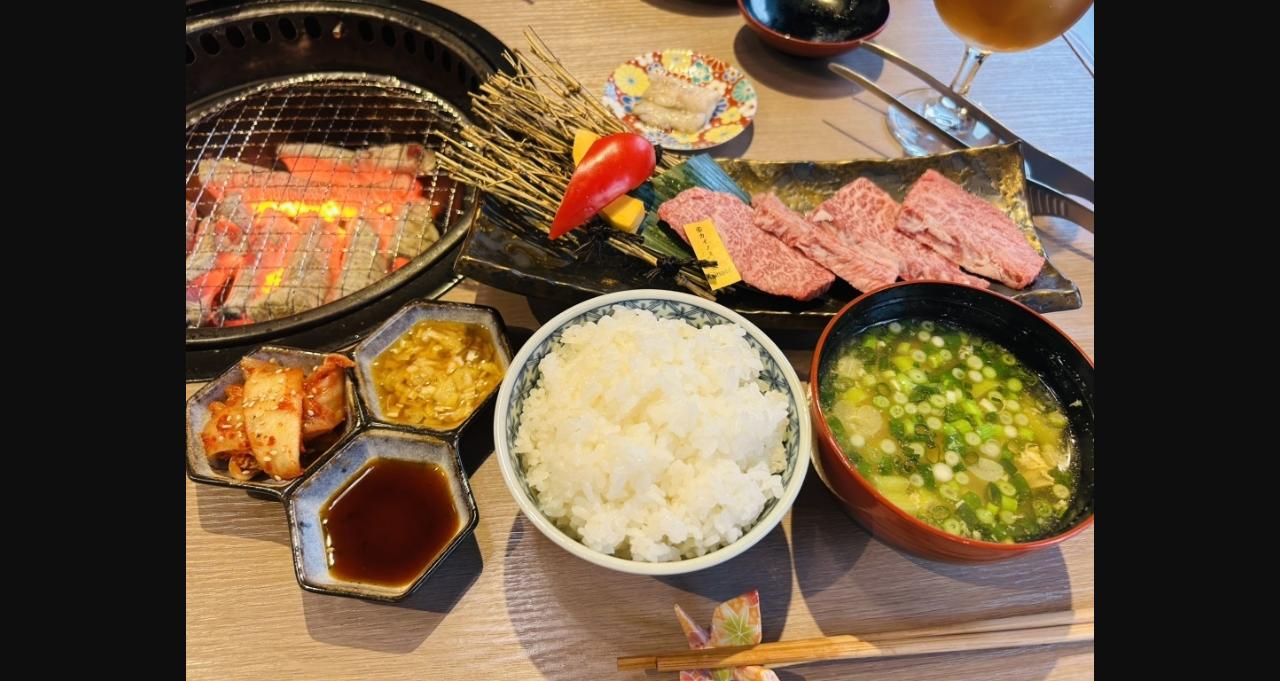
- Pair it With Rice: Dropping a sizzling, tare-soaked piece of wagyu onto a bowl of steamed white rice is one of the greatest joys of the meal. The rice absorbs the savory juices, making every bite incredible.
The Halal Wagyu Difference
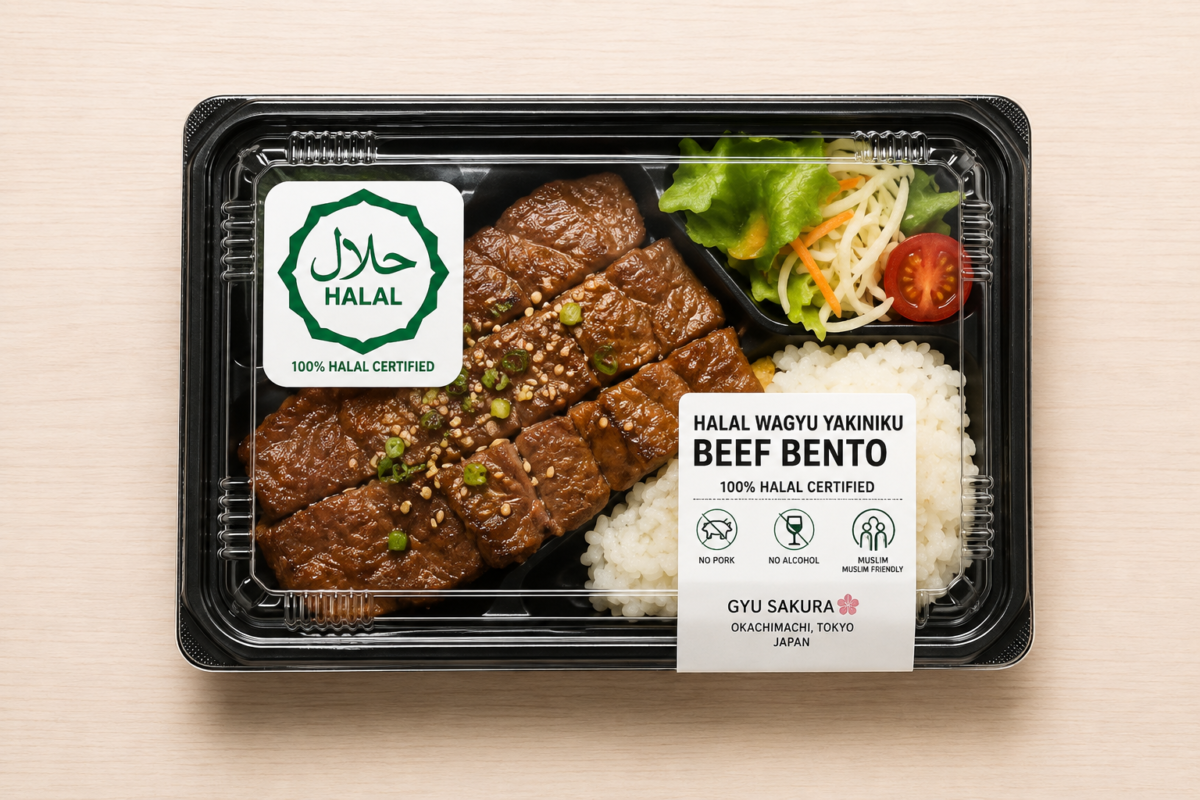
For Muslim diners, experiencing authentic Japanese yakiniku has historically been a challenge, as traditional marinades often contain cooking alcohols (like mirin or sake) and the meat itself must be strictly sourced.
At Halal Wagyu Yakiniku, we bridge this gap without ever compromising the authentic Tokyo dining experience. We source the finest halal-certified A5 wagyu directly from master butchers and craft our signature tare sauces from scratch using 100% halal ingredients. You get the same melt-in-your-mouth marbling, the same traditional cuts, and the exact same communal joy of the grill, all with complete peace of mind.
Frequently Asked Questions (FAQs)
How much meat should I order per person at a yakiniku restaurant?
A good rule of thumb for a balanced meal is to order about 200 to 300 grams (7 to 10 ounces) of meat per person. Because wagyu is incredibly rich and filling, you will likely eat less total volume than you would at a traditional Western steakhouse, especially when pairing it with rice and side dishes.
How do I know when wagyu is done cooking?
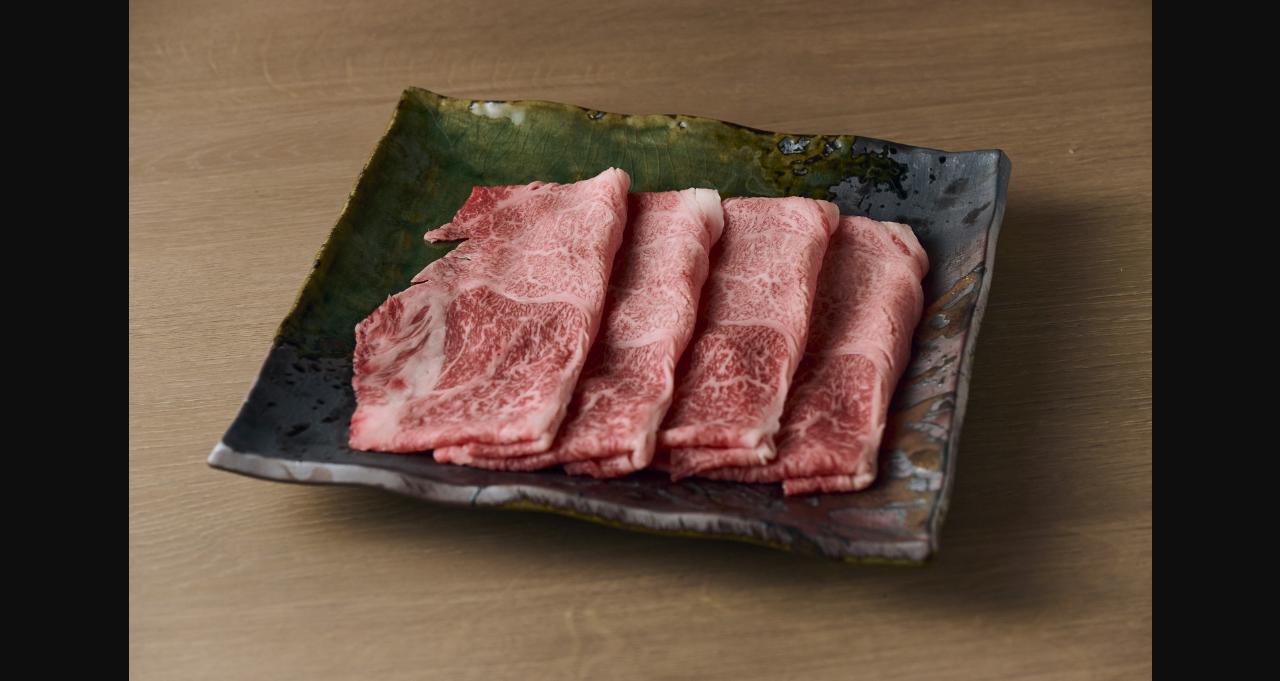
Wagyu is ready when the natural juices pool on the top surface. Because it is sliced thin and contains high amounts of fat, it cooks extremely fast. Flip it once the juices appear, sear for 3 to 5 seconds, and remove it. It should be lightly seared on the outside and exceptionally juicy on the inside.
Is it rude to ask for a new grill net?
No, asking for a new net is expected and encouraged. If your grill net becomes blackened with burnt marinade, it transfers a bitter carbon flavor to your premium beef. Waitstaff expect to change the net multiple times during your meal, especially after cooking heavily marinated tare cuts.
Do I use dipping sauce on every piece of meat?
No, you do not need sauce for every cut. Meats ordered shio (salt) are meant to be enjoyed plain or with just a squeeze of lemon to appreciate the pure quality of the beef. Only dip meats ordered tare (sauce) into your personal sauce saucer.
Can I eat yakiniku by myself?
Yes, eating yakiniku alone is completely normal and widely accepted in Japan. Solo dining allows you to control the grill entirely on your own terms, making it a highly relaxing and personalized experience.
Why do you eat beef tongue first at yakiniku?
Beef tongue (gyutan) is eaten first because it is typically seasoned with simple salt rather than heavy, sticky marinades. Cooking it at the beginning of the meal ensures that the grill net remains completely clean for subsequent courses.
Ready to see it for yourself? Book directly and skip any third-party booking fees.
Reserve your table: reservation.wagyusakura.com
Call us: 03-5826-4170
Visit: 6F, Yushima, Bunkyo City, Tokyo — 4 min from Okachimachi Station, 3 min from Ueno Hirokoji Station