Blog
A5 Wagyu vs Normal Beef in Tokyo (2026 Guide)

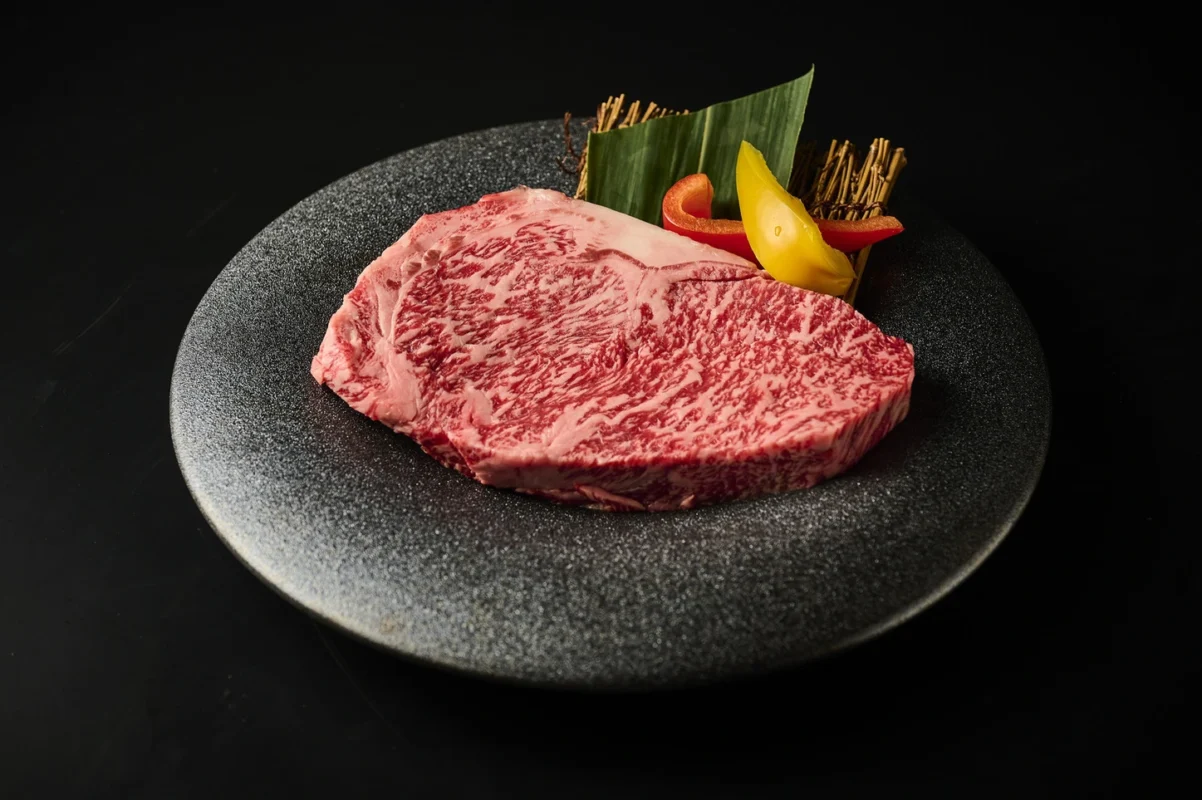
Stand in front of a Tokyo menu long enough and you’ll eventually ask the same question everyone asks: why does one beef dish cost five times more than the other? The short answer is that A5 wagyu vs normal beef isn’t really a fair fight. A5 is graded, cut by cut, on marbling, color, firmness, and fat quality. Normal beef isn’t graded on any of that at all. And once you know what that one difference actually does to the meat, the price tag starts to make a lot more sense.
This guide walks through what really separates a genuine Japanese wagyu beef dish from an everyday steak, so the next time you sit down at a Japanese beef yakiniku restaurant in Tokyo, you’ll know exactly what you’re paying for.
What “Wagyu” Actually Means
“Wagyu” just means “Japanese cow.” That’s it. It’s not a breed on its own, and it’s definitely not a guarantee of quality. Four native cattle breeds fall under the wagyu umbrella, though the one you’ve almost certainly heard of is Japanese Black, or Kuroge Washu – the breed behind that famously heavy marbling everyone pictures the moment the word “wagyu” comes up.
Here’s what most menus conveniently leave out: not every wagyu cow grades A5. A cow can carry 100% wagyu genetics and still land at A2 or A3, which honestly eats a lot closer to standard beef than to the cuts you’d find at a proper wagyu beef yakiniku counter. So the grade, not the label, is what actually tells you what you’re getting.
How Japan Grades Beef, Step by Step
Japan runs a national grading system through the Japan Meat Grading Association, and it evaluates two completely separate things.
- Yield grade (A, B, or C) — this measures how much usable meat the carcass produces. A sits at the top.
- Quality grade (1 to 5) — this looks at marbling, meat color and brightness, firmness and texture, and the color and quality of the fat itself. 5 is as good as it gets.
Combine the two and A5 means a carcass hit the ceiling on both counts — best yield, best quality. There’s also a finer marbling scale inside A5 called the Beef Marbling Standard, or BMS, running from 1 to 12. True A5 lands at BMS 8 through 12, which is about as dense as marbling gets in Japan. None of this is eyeballed. It’s measured, which is exactly why chefs and serious diners trust the grade in the first place.
Normal beef never goes through anything like this. Most supermarket cuts outside Japan skip formal grading entirely, and even Western systems like USDA Prime – which focus mainly on marbling and maturity – top out well below A5 marbling levels. So comparing premium Japanese beef to a regular cut from a Western grading system isn’t really comparing two versions of the same product. It’s comparing something scored and audited to something that was never scored at all.
What You Can Actually Taste
Numbers are nice, but what changes on your plate matters more. Here’s where true A5 pulls away from a normal steak.
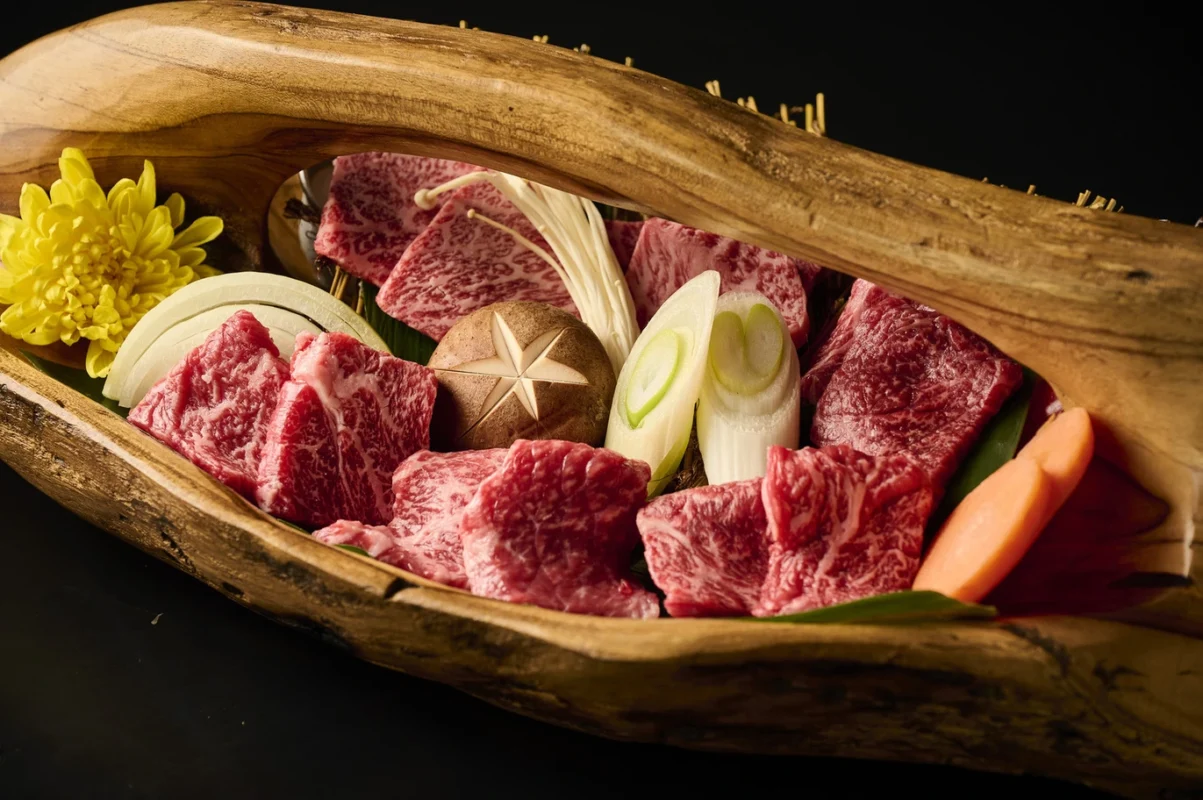
- Marbling runs through the muscle in fine, even streaks in A5, instead of sitting mostly around the edge like it does on most standard cuts.
- Melting point is lower in A5 fat than in regular beef fat – which is the whole reason it can feel like it’s dissolving rather than being chewed.
- Texture softens dramatically because of that fat distribution. Normal beef leans on muscle fiber for its bite, so it chews the way you’d expect a typical steak to.
- Flavor carries through the entire bite in A5, instead of sitting mostly on the surface the way it does with leaner cuts.
- Portion size shrinks on purpose. A5 is rich enough that a wagyu meal is built around quality per bite, not how much is on the plate.
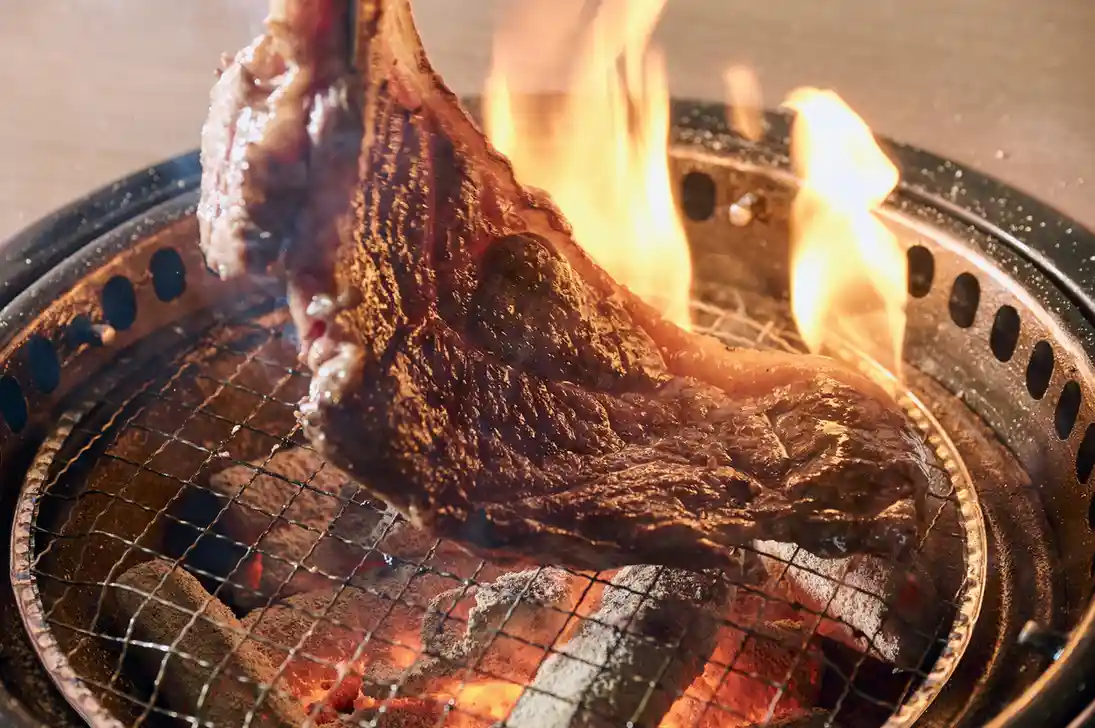
- Cooking method matters a lot more with A5. It wants a quick sear over very high, dry heat – which is exactly what traditional sumibiyaki charcoal grilling was made for. Overcook it and you waste the marbling. Normal beef, by comparison, forgives a longer cook time without much complaint.
None of this makes normal beef a lesser choice. It just means the two are doing different jobs. Normal beef is what you eat on a Tuesday. A5 is what you eat when the occasion calls for it.
A5 Wagyu vs Normal Beef, Side by Side
Sometimes a quick comparison says more than a page of explanation ever could.
- Grading: A5 is scored on yield and quality by a national body. Normal beef usually carries no formal grade at all.
- Marbling: A5 sits at BMS 8–12. Normal beef shows minimal, uneven marbling, if any.
- Texture: A5 gives way under light pressure. Normal beef needs the kind of chewing you’d expect from a regular steak.
- Best cooking style: A5 wants quick, high-heat searing. Normal beef holds up well to longer methods – stews, slow roasts, that sort of thing.
- Typical serving size: A5 comes in small, rich portions. Normal beef shows up in the larger, everyday-sized ones.
- Occasion: A5 belongs at a celebration dinner. Normal beef belongs in daily cooking.
Neither side of that list is “wrong,” exactly. A5 is built for one kind of dining experience, and normal beef is built for pretty much everything else. What actually matters is knowing which one you’re ordering, and understanding why it’s priced the way it is.
Who Should Order A5, and Who’s Fine Sticking With Normal Beef
If you’re in Tokyo once and curious what the fuss is about, A5 is worth the splurge for at least one dinner. The texture is genuinely hard to describe until you’ve had it – most first-timers say it changes how they think about beef afterward, and that’s not just marketing talk.
If you’re cooking at home on a normal budget, or you simply prefer something with more chew to it, normal beef is still the sensible pick. And there’s nothing wrong with that preference. Plenty of people find A5 too rich in large quantities, which is a completely reasonable reaction to that much marbled fat in one sitting – it’s not for everyone, and it was never meant to be an everyday food.
Most chefs will tell you the same thing, honestly: try A5 once, in a small portion, somewhere that can tell you the exact grade on your plate. One meal like that will teach you more about Japanese wagyu beef than any amount of reading ever will.
Why A5 Wagyu Costs So Much
Only a small slice of Japanese cattle ever reaches A5 : commonly estimated at around 10 to 15% of graded wagyu – which already explains most of the price gap on its own. Add in years of careful feeding, the sheer amount of labor these cattle require, and a strict audit process behind every single grade, and the cost of premium wagyu starts to look less like a markup and more like a fair reflection of the work involved.
That price gap is real, and it’s worth planning around. A proper A5 wagyu beef meal at a dedicated yakiniku restaurant in Tokyo will run well above what a casual beef dish costs – and if you spot something labeled “wagyu” for a few thousand yen, it’s almost certainly a lower grade or a blend, not true A5. When a price looks too good for A5, it usually is. Ask exactly which grade you’re being served before you commit to the order.
How to Order Like You Actually Know What You’re Doing
A little bit of ordering know-how goes a long way at a Japanese wagyu beef restaurant, especially the first time around.
- Ask for the grade outright. Any restaurant confident in its beef will tell you without hesitation.
- Start with a leaner cut before working up to the richest ones, so your palate isn’t overwhelmed too early.
- Order in small rounds instead of everything at once – A5 is meant to hit the table hot off the grill, not sit around cooling off.
- Pair rich cuts with something acidic or fresh, a simple salad works fine, to reset your palate between bites.
- New to premium wagyu beef? Just ask staff what they’d recommend first. Most kitchens are happy to walk you through it.
This is also exactly where a good premium Japanese wagyu restaurant separates itself from the rest. The grade tells you what you paid for. The kitchen decides how well that grade actually shows up on your plate.
Where This Actually Plays Out in Tokyo
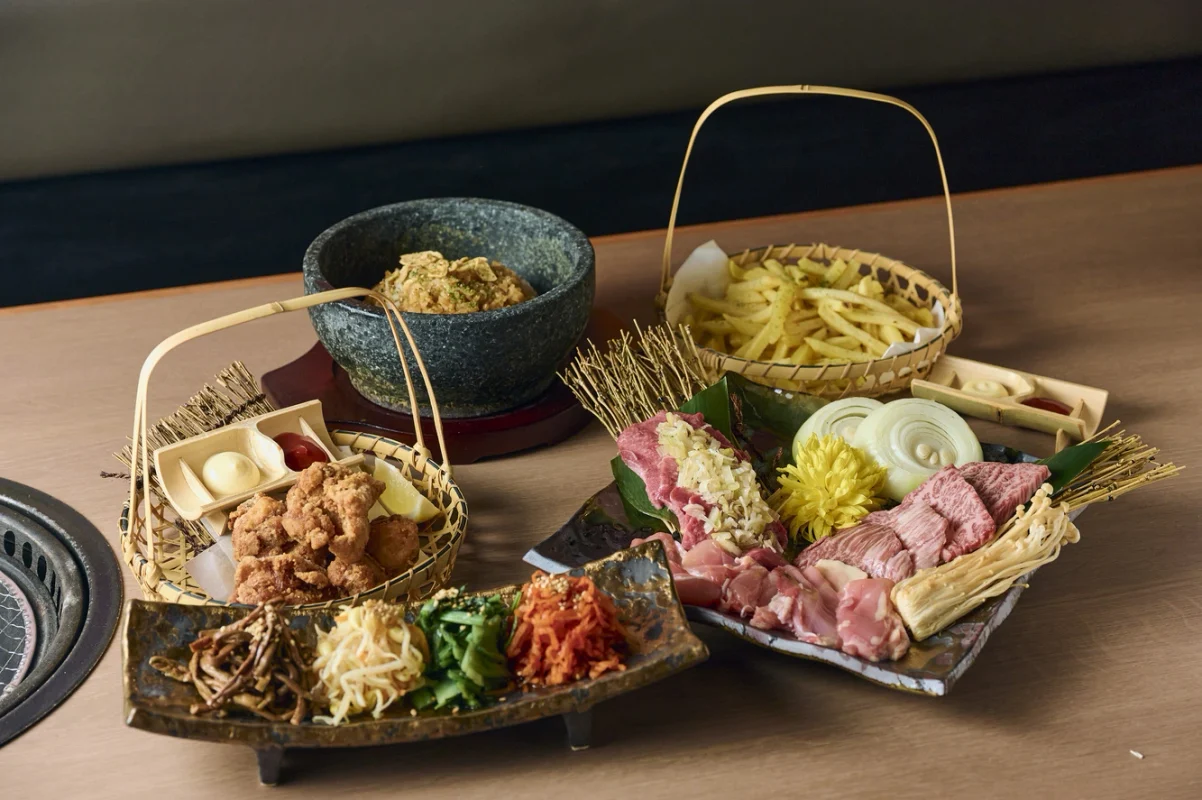
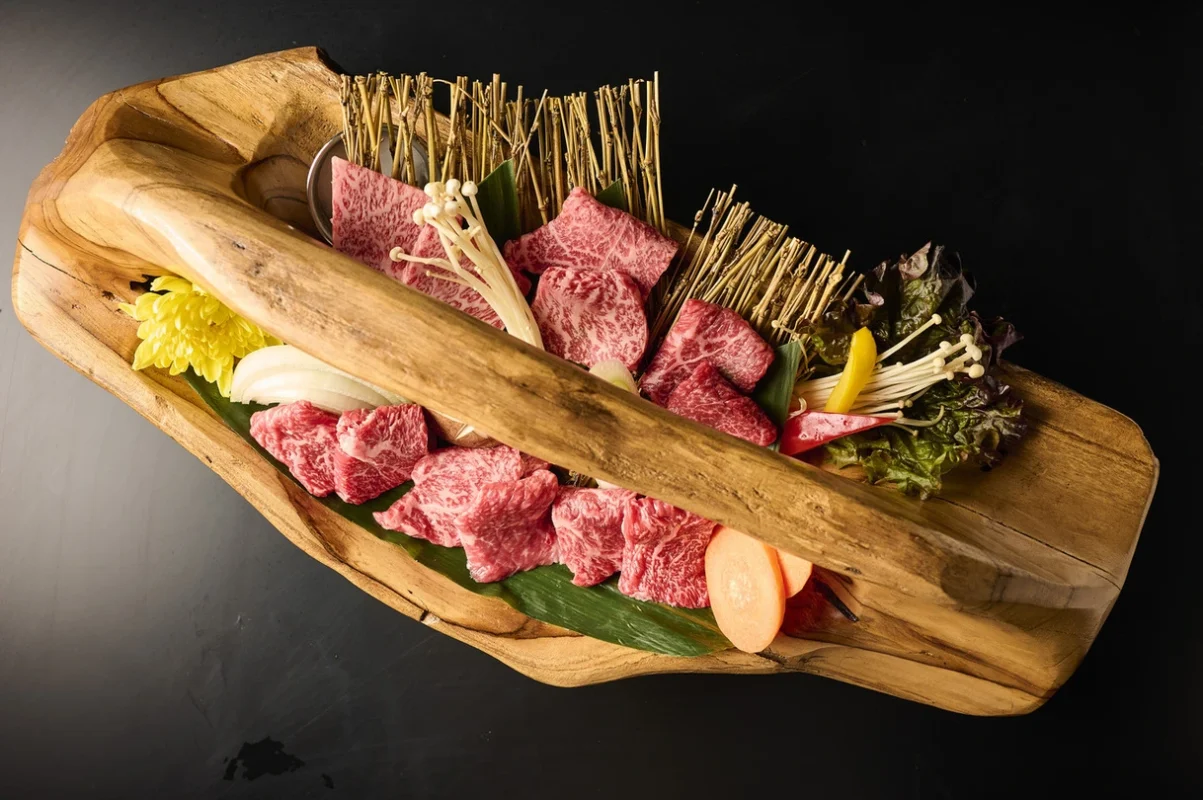
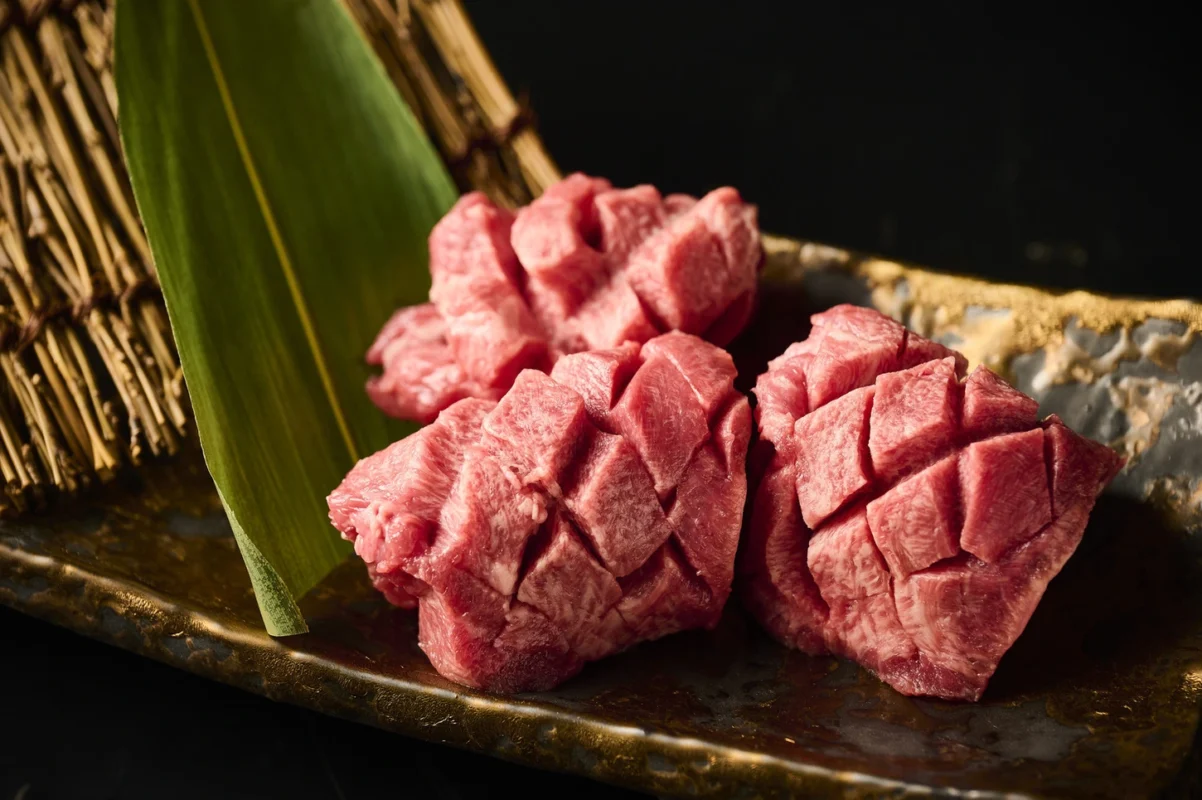
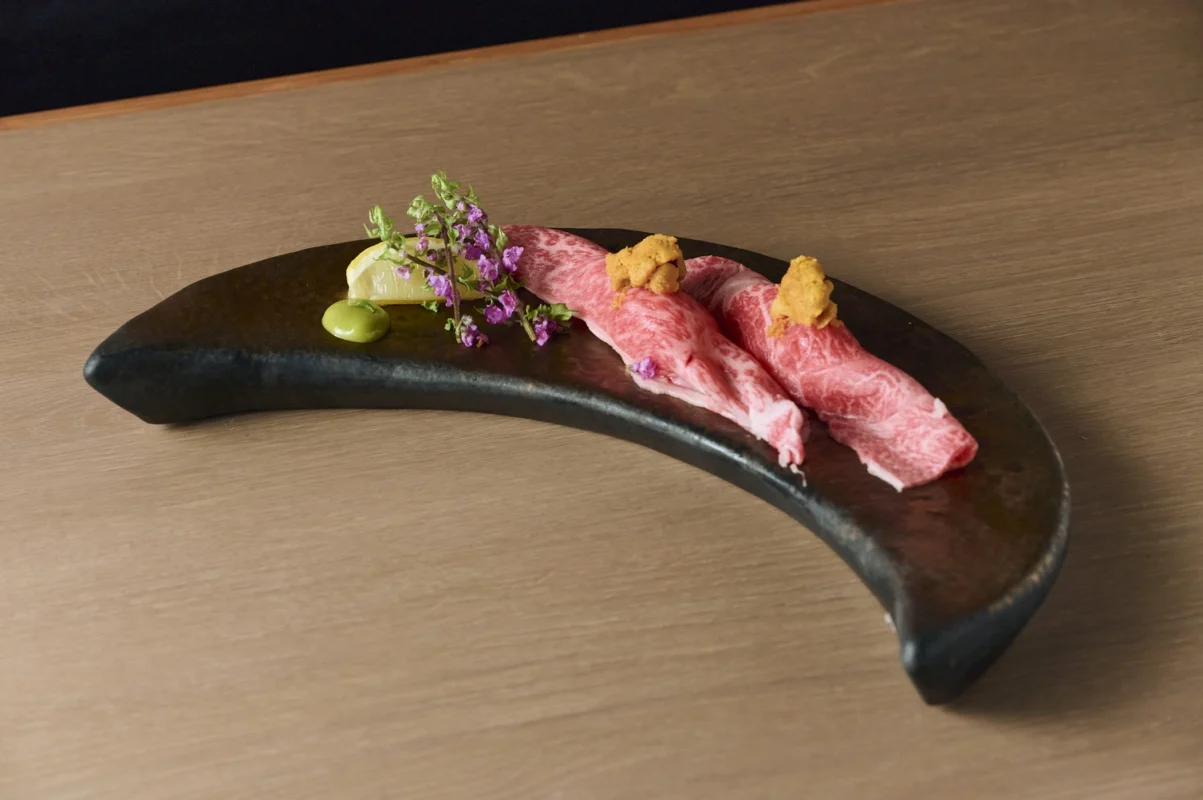
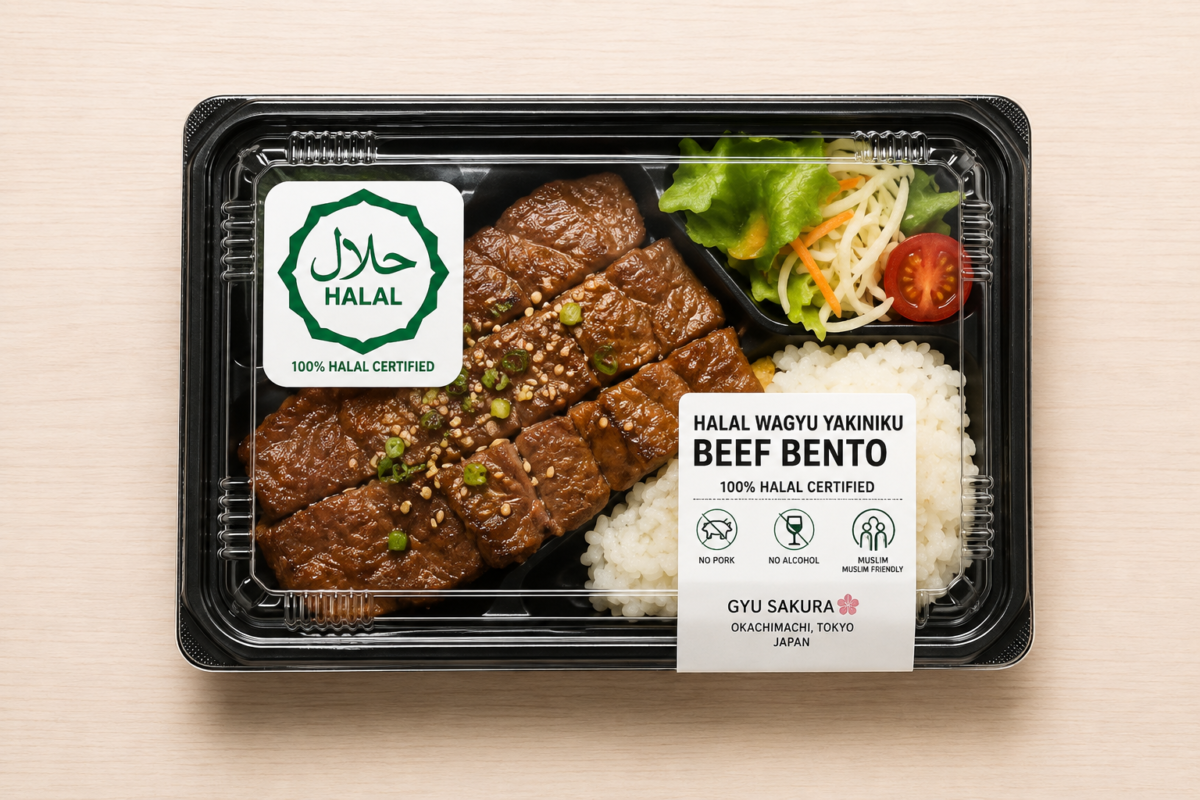
Tokyo has no shortage of places serving beef, but far fewer serve verified, high-grade A5. At Gyu Sakura, every dish is built around 100% certified Miyazaki Black Wagyu A5, grilled sumibiyaki-style over charcoal so the marbling renders exactly the way it’s supposed to. Worth knowing if you’re traveling: Gyu Sakura is fully halal certified and has a dedicated prayer room on site, making it one of the few spots in the city where a genuine a5 wagyu yakiniku experience and halal dining requirements meet without either side having to compromise.
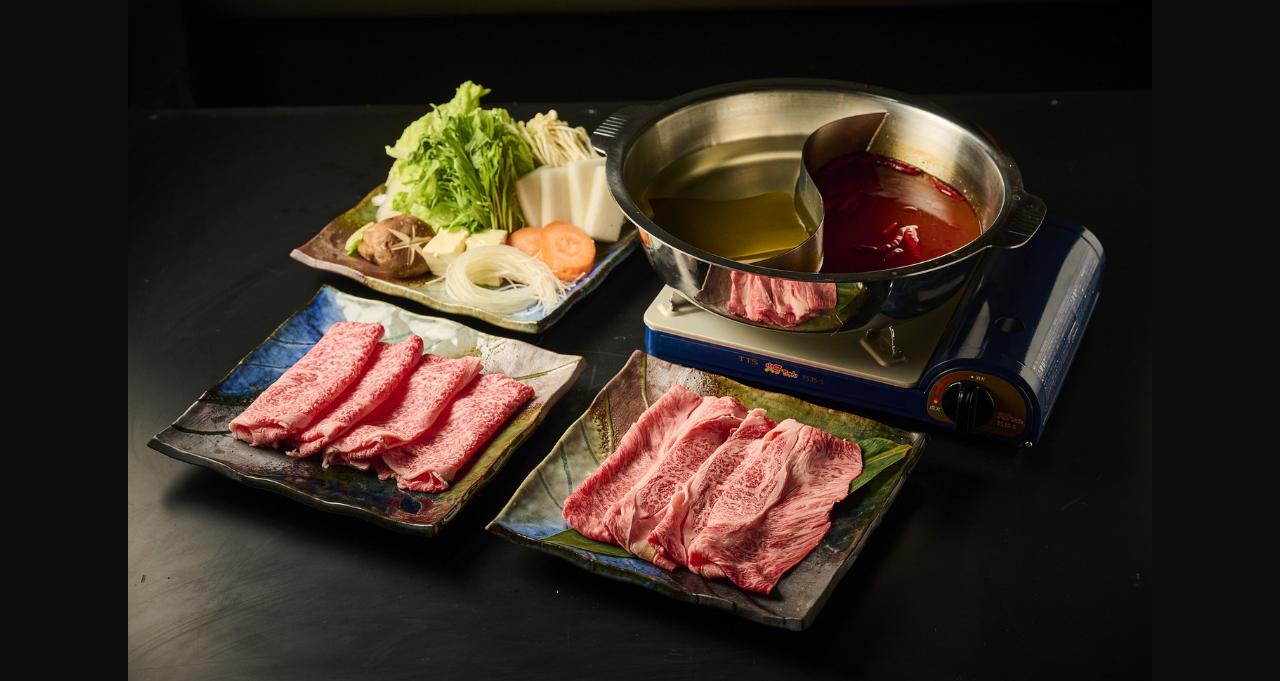
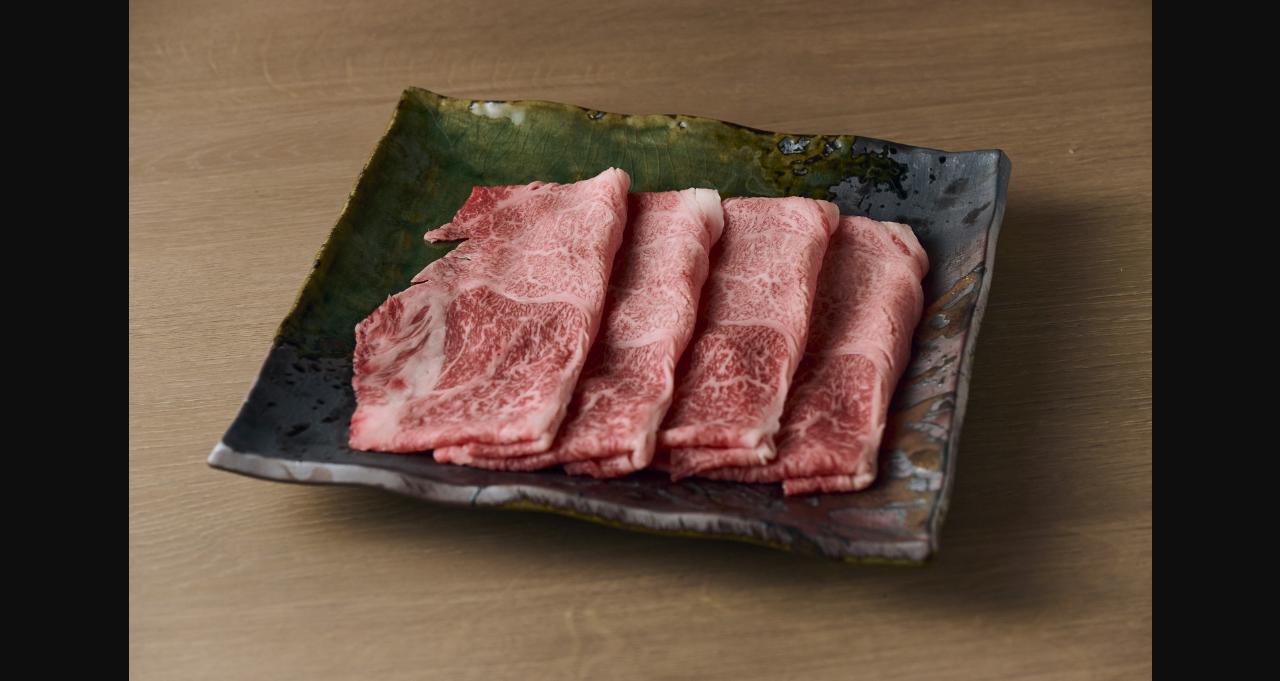
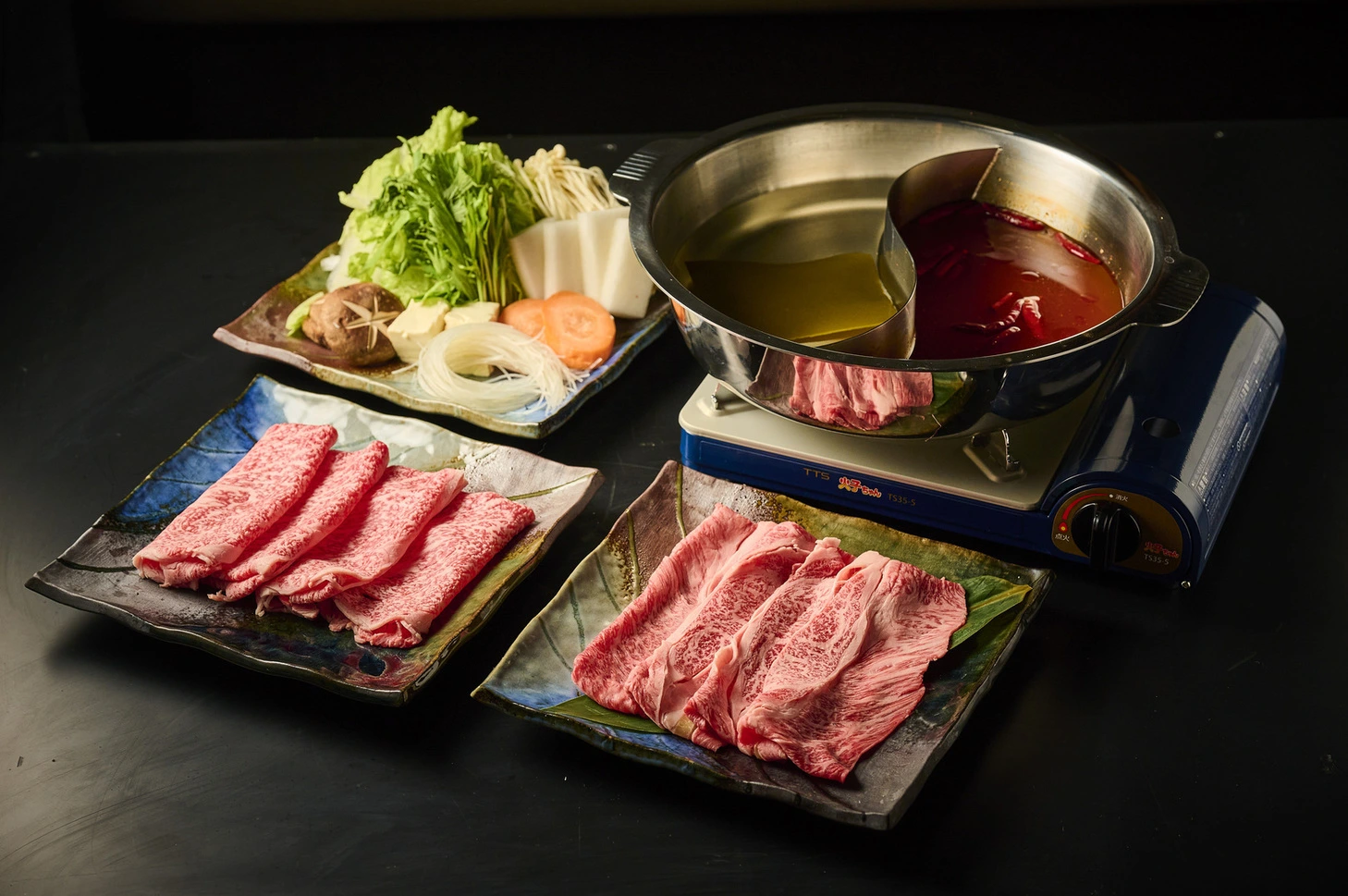
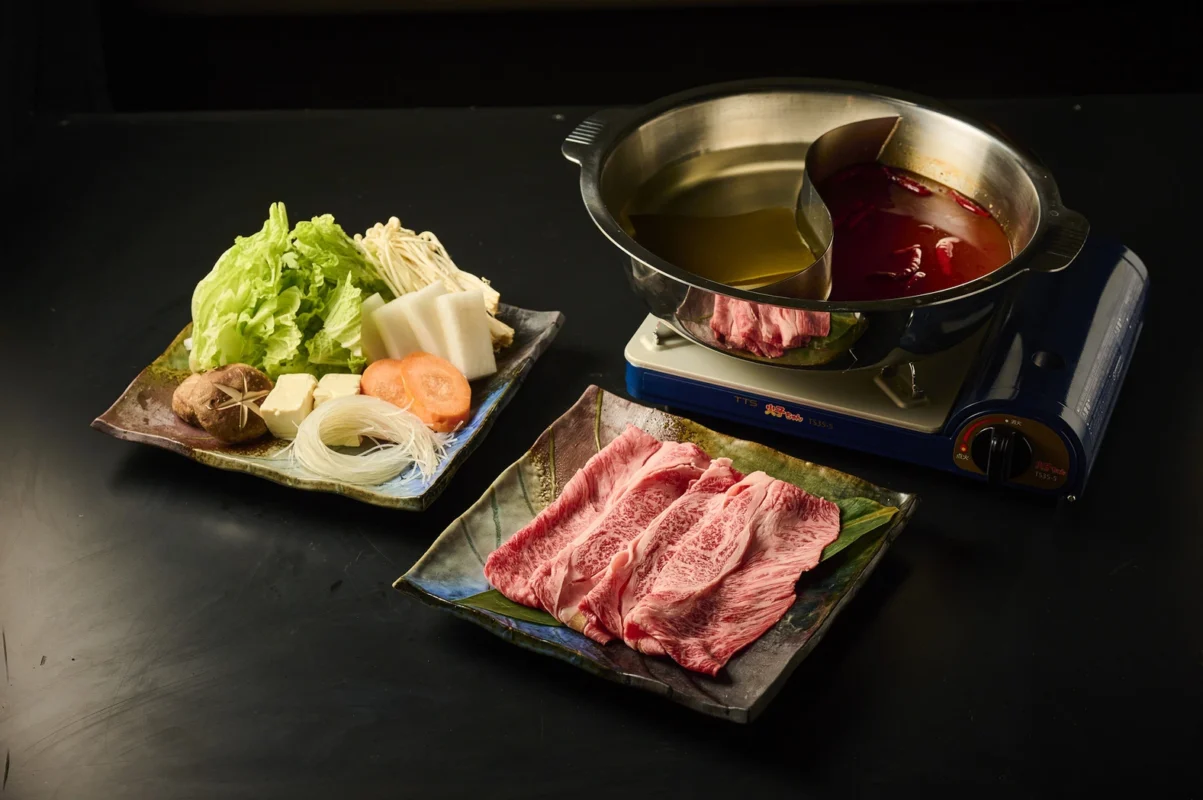
If charcoal-grilled yakiniku isn’t quite what you’re after, the same A5 grade shows up in a completely different form on the Miyazaki Beef A5 Shabu-Shabu Set — thin slices of certified A5 cooked briefly in hot broth instead of over the grill. It’s a gentler way to meet the marbling for anyone who finds a full yakiniku course too rich, and it’s proof that the grade matters more than the cooking style. Whether it’s seared over charcoal or swirled through broth, A5 is still A5.
It’s a four-minute walk from Okachimachi Station and eight minutes from Ueno Station, open every day of the week.
Quick Answers to the Questions People Actually Ask
Is A5 wagyu always better than normal beef?
“Better” depends on what you’re after. A5 wins on marbling, tenderness, and richness. Normal beef wins on everyday versatility and cost. For a special dinner, though, A5 is the clear pick.
Can you actually tell A5 from normal beef just by looking?
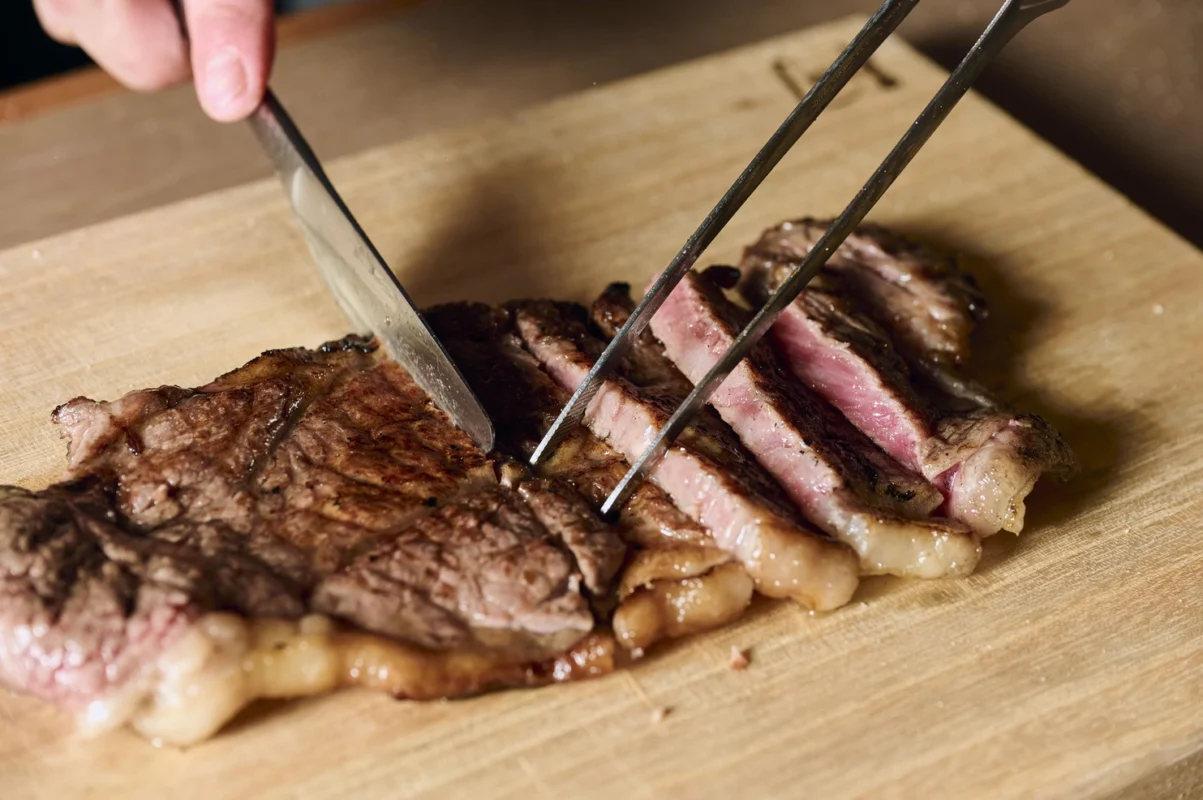
Most of the time, yes. A5 shows fine, even white marbling running through pink meat, almost like the pattern on a marble countertop. Normal beef shows noticeably less fat, and mostly just around the edges.
Does A5 wagyu taste different depending on whether it’s Kobe or Miyazaki?
Both can reach A5, since A5 is a grade, not a brand name. The regional name just tells you where the cattle were raised. The grade tells you the actual quality level.
Is a cheap “wagyu” dish still real wagyu?
It might carry some wagyu genetics at a lower grade, or it could be a wagyu-beef blend. Either way, it’s rarely true A5. Check the grade printed on the menu, not just whether the word “wagyu” shows up.
So, A5 Wagyu vs Normal Beef – What’s the Real Answer?
It comes down to one fact that explains almost everything else: A5 wagyu is measured, scored, and audited for marbling, color, texture, and fat quality, and normal beef simply isn’t held to that standard. That measurement process is exactly why A5 melts the way it does, tastes as rich as it does, and costs what it costs next to a regular steak.
If you’re planning a Japanese beef yakiniku night in Tokyo and want the real A5 experience, look for a restaurant that states its grade plainly and grills over charcoal to protect the marbling instead of cooking it away. That combination is where A5 wagyu earns its reputation – one bite at a time.
Reference: The grading standards described in this guide follow the Japan Meat Grading Association’s official beef carcass grading system.