Blog
How Much Is Wagyu Per Person in Tokyo? A Real Price Breakdown

Type “wagyu price Tokyo” into Google and you’ll get a wall of numbers that don’t agree with each other. One site says ¥3,000. Another says ¥20,000. A travel forum thread has someone insisting you can’t touch real wagyu for under ¥15,000, while a reviewer three posts down swears they had an incredible meal for ¥6,500. None of them are lying, exactly. They’re just describing completely different meals.
So here’s an honest attempt at answering how much is wagyu per person in Tokyo — not a sales pitch, just a real breakdown of where the money actually goes, using real menu data from around the city, so you can walk in knowing roughly what to expect before you sit down anywhere.
Why the Price Range Is So Wide in the First Place
Wagyu pricing swings hard because it’s really three separate variables stacked on top of each other, and most guides only mention one of them.
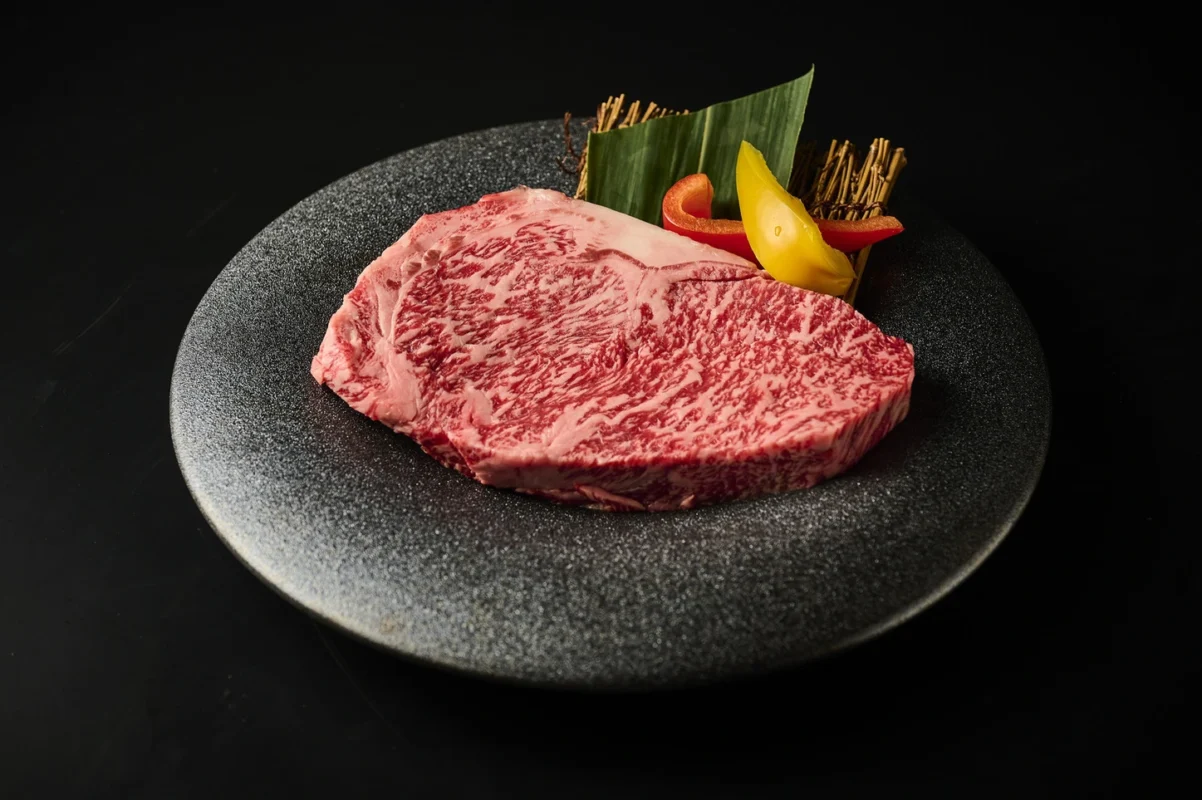
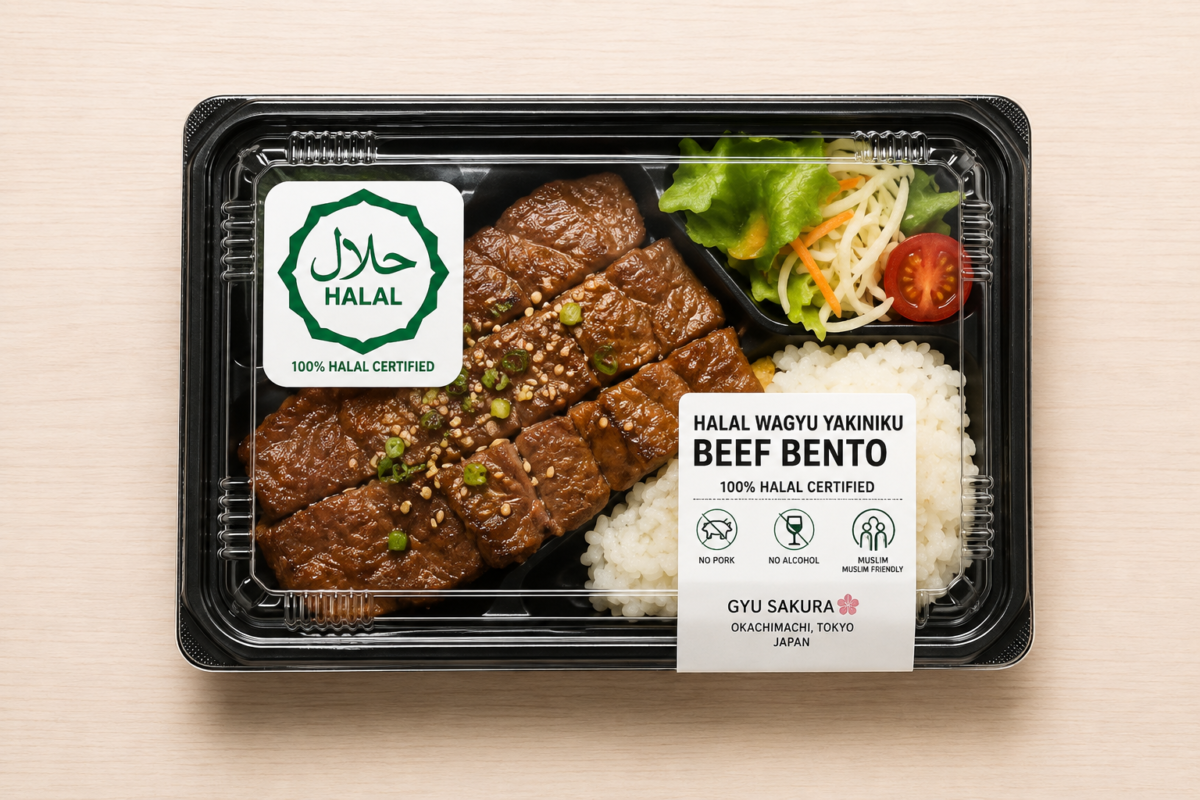
The first is grade. A5 with a Beef Marbling Score near 12 costs meaningfully more than A4 or A3 of the same cut, because fewer cattle ever reach that score. The second is the cut itself — tongue and rib cuts run cheap relative to sirloin, and something like Chateaubriand sits at the very top of the price ladder regardless of grade. The third, and the one almost nobody talks about, is supply chain complexity. A restaurant serving certified halal wagyu is paying for an audited slaughter process, dedicated storage, and a kitchen that never lets a knife touch pork or alcohol-based seasoning. That’s not a markup for the sake of it — it’s the actual cost of running a second, fully separate certification alongside the meat itself.
What You’re Actually Paying, Based on Real Tokyo Menus
Rather than guess, it helps to look at what restaurants in this category are genuinely charging. Across a handful of halal and halal-adjacent yakiniku spots in Tokyo, a fairly consistent pattern shows up:
- Side dishes and small plates — kimchi, namul, fried items — typically run ¥600 to ¥1,000 each
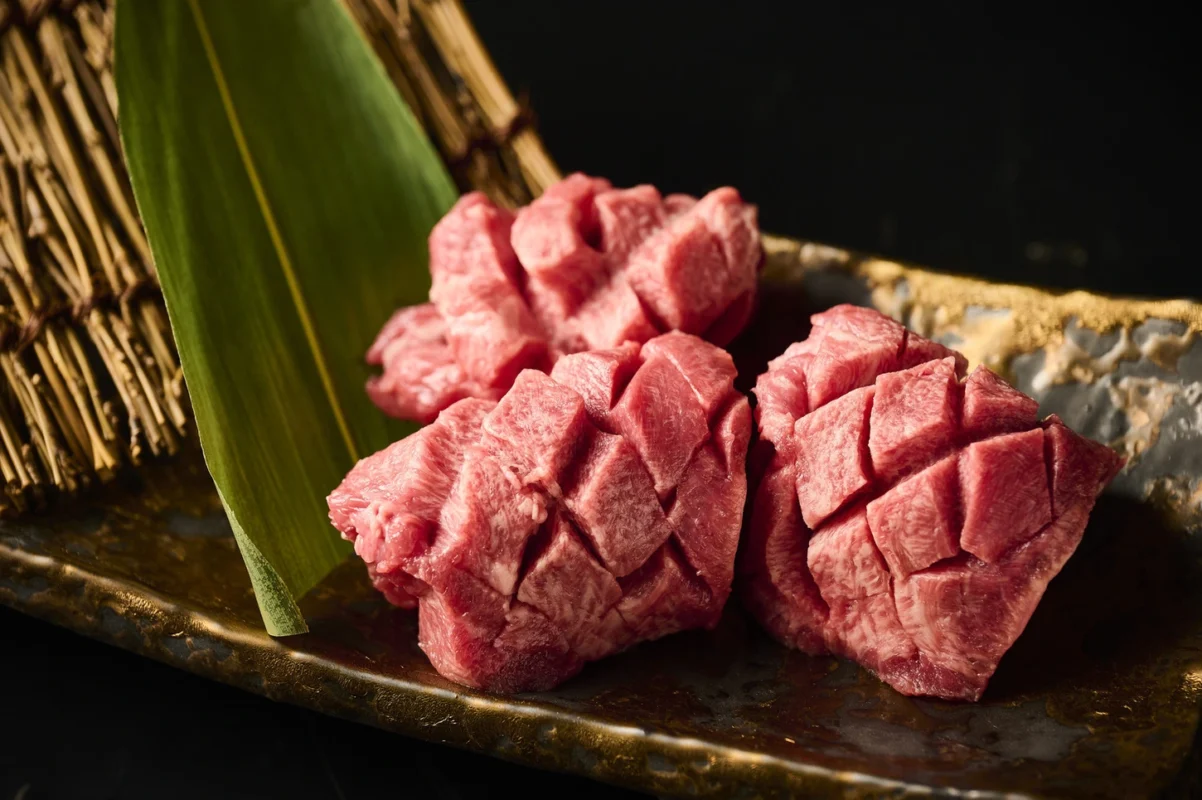
- Individual à la carte cuts — tongue, brisket, shoulder cuts — generally sit between ¥2,000 and ¥3,500
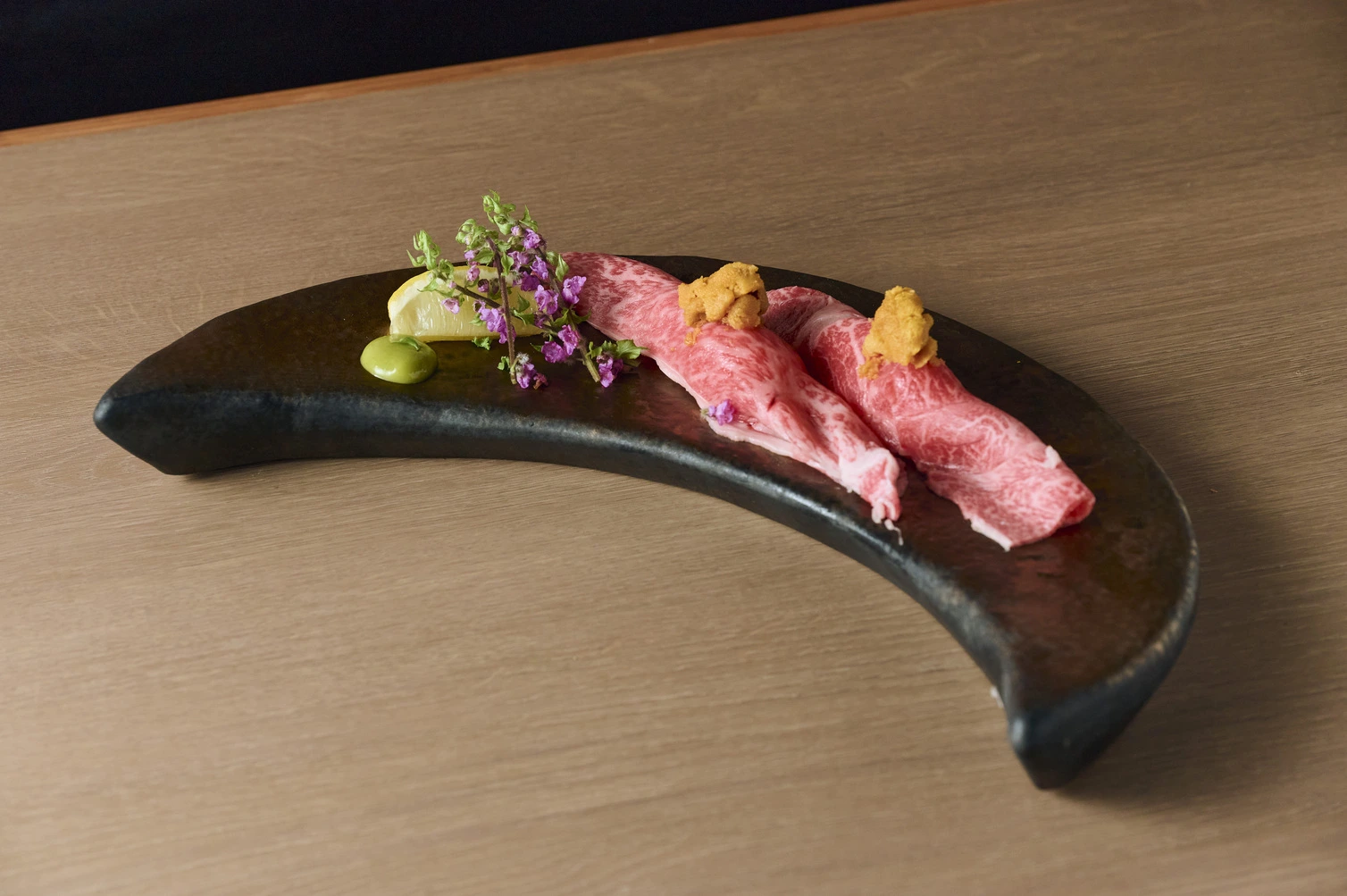
- Premium single items — A5 sushi, signature specialty dishes — often start around ¥1,800 and climb toward ¥6,000
- A light, casual meal with a few sides and one or two cuts — typically lands around ¥6,000 to ¥8,000 per person
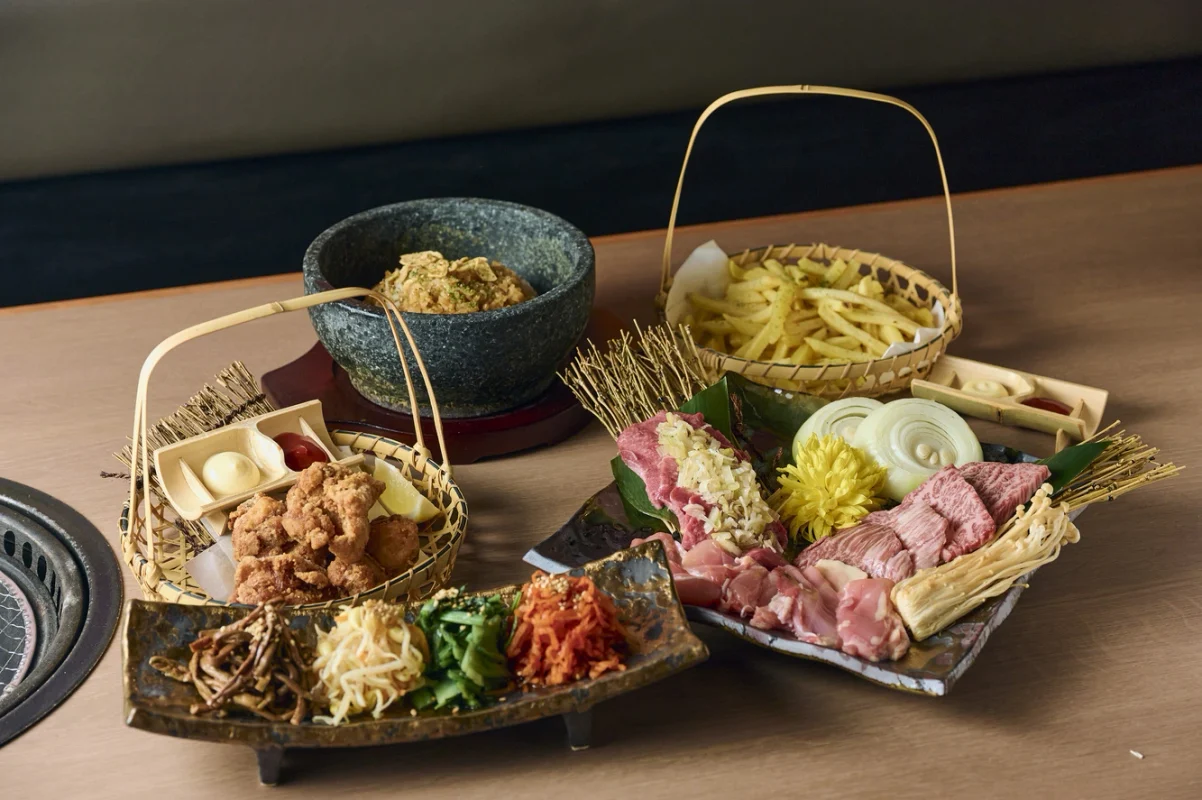
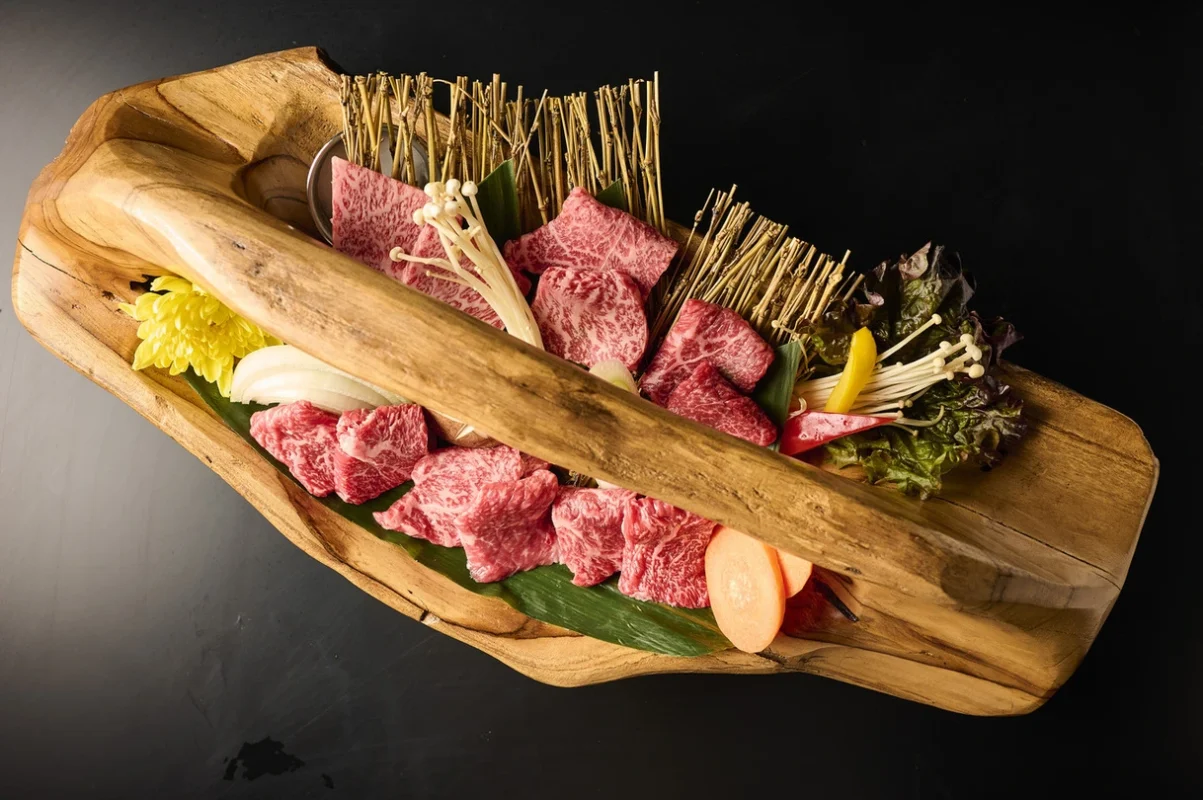
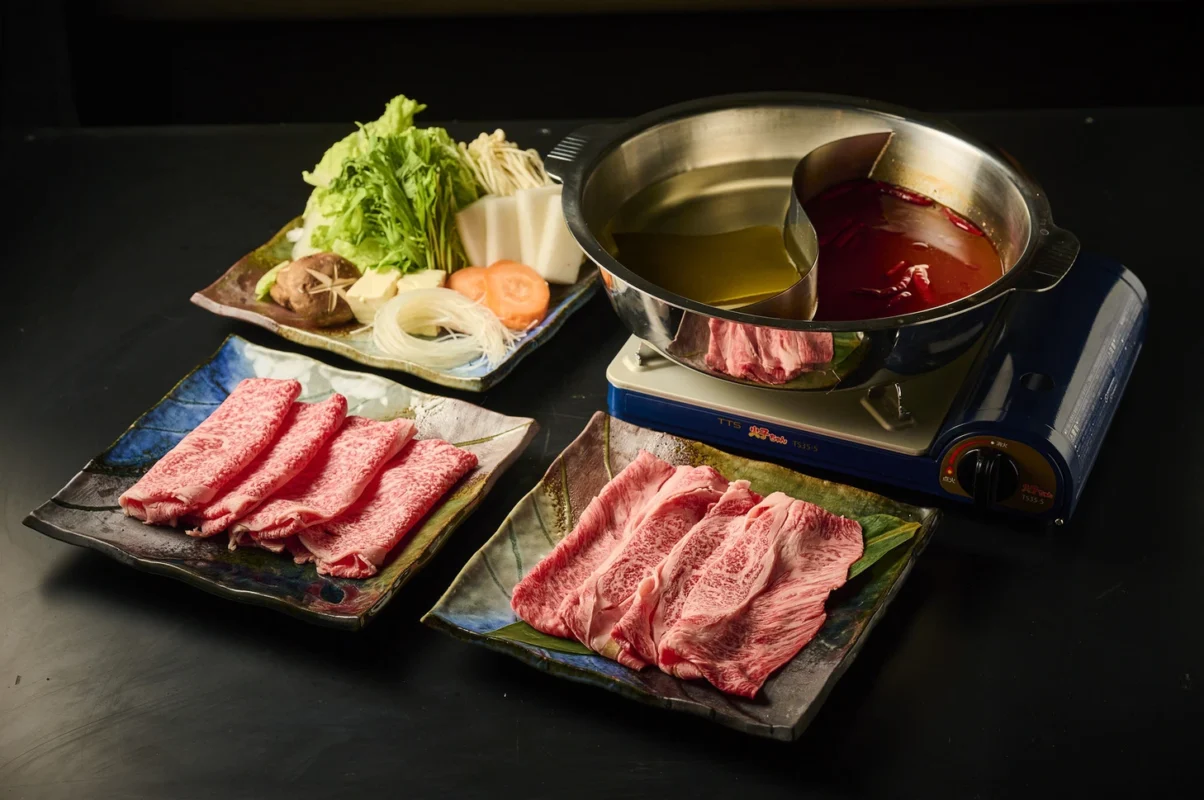
- A full course dinner — several wagyu cuts, soup, rice, dessert — usually runs ¥8,000 to ¥10,000 per person, with premium A5-heavy courses stretching toward ¥12,000
For context, one well-known halal yakiniku spot near Ueno lists an average review-based spend of ¥6,000 to ¥7,999 per person, with the restaurant’s own listed dinner average sitting a bit higher, around ¥8,000 to ¥9,999. That’s a genuinely useful benchmark — it tells you the “light meal” end of this range isn’t a fantasy number restaurants use to lure you in. It’s a realistic, common outcome if you order carefully, and it lines up closely with what diners actually report spending.
Is A5 Wagyu Actually Worth the Price?
This is the question that matters more than any specific number, and the honest answer is: it depends what you’re comparing it to.
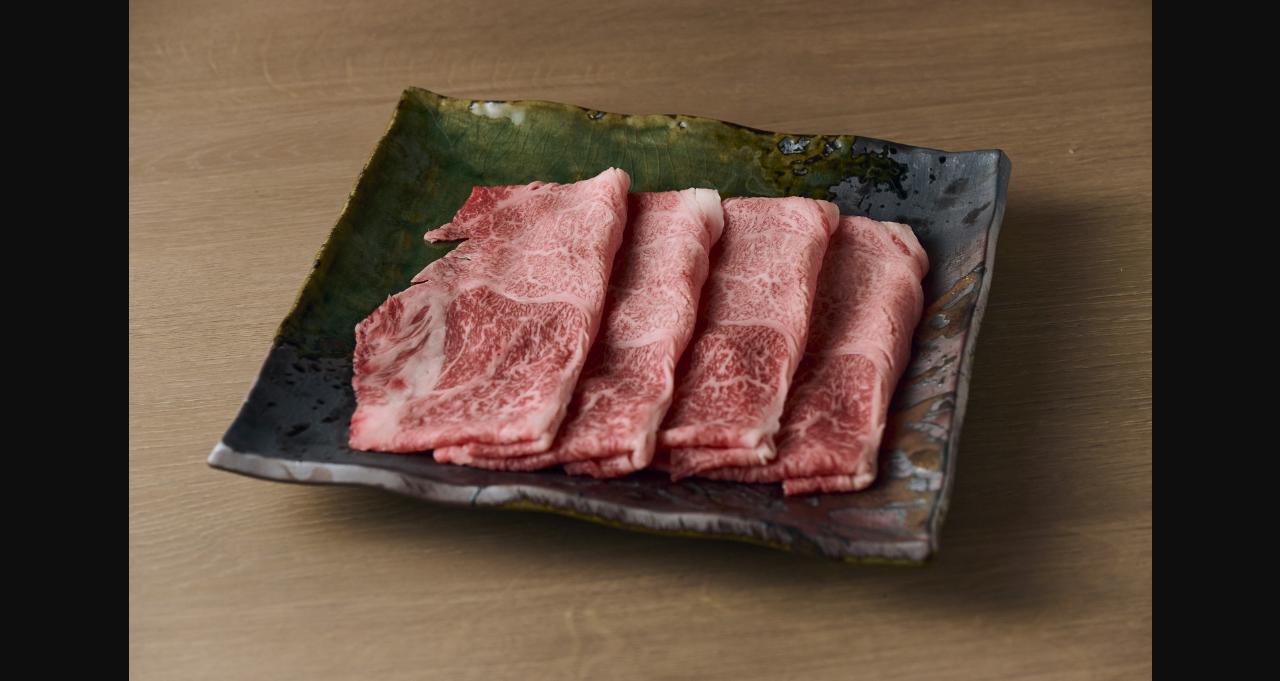
If you’re comparing A5 wagyu to a regular steak dinner, the price jump can feel steep on paper. But the reason A5 costs what it does isn’t arbitrary — it comes down to the biology of the fat itself. Wagyu marbling has a much lower melting point than fat in standard beef, largely because of its higher concentration of monounsaturated fat. That’s the actual, physical reason it feels like it dissolves rather than chews. You’re not paying extra for a marketing story. You’re paying for a genuinely different eating experience that regular beef, no matter the cooking technique, can’t replicate.
Where people do overpay is by not understanding portion size. A5 wagyu is rich enough that a little goes further than a normal steak portion would. Ordering it like a Western-style large cut, rather than the smaller, shared-plate portions it’s traditionally served in, is the fastest way to spend more than the experience actually calls for.
How to Get Real Value, Not Just a Lower Bill
- Order a course rather than building your own plate. Course menus are almost always priced better than assembling the same items à la carte, and they’re designed to walk you through lighter cuts before the richer ones.
- Go in a small group. Sharing platters means everyone tastes more variety for less per person than ordering individually.
- Watch for genuine flat discounts. Some halal restaurants run straightforward offers — a flat amount off per person above a spending threshold — which is worth more than a percentage discount on an already-inflated menu.
- Book directly with the restaurant. Third-party reservation platforms sometimes add a service fee that never shows up in the advertised menu price.
Where Halal Certification Changes the Math
It’s worth being direct about something most price guides skip entirely: halal certified wagyu isn’t more expensive because the beef is different. It’s the same grading system, same cuts, same Miyazaki or other regional sourcing as anywhere else. What you’re paying for is a verified, audited supply chain — one that most standard yakiniku restaurants simply don’t maintain, because they don’t need to. If you want to understand exactly what that certification process involves, the Japan Halal Association publishes the standards restaurants are actually audited against, which is worth a look if you want to verify a claim rather than just trust it.
What This Looks Like at Gyu Sakura
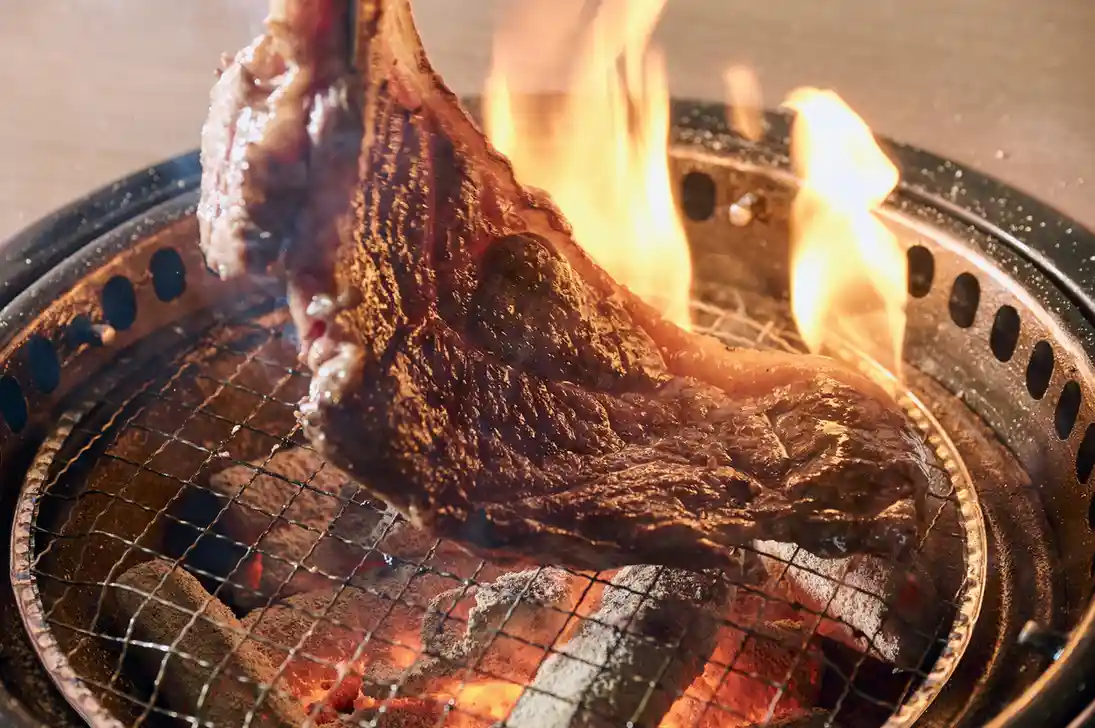
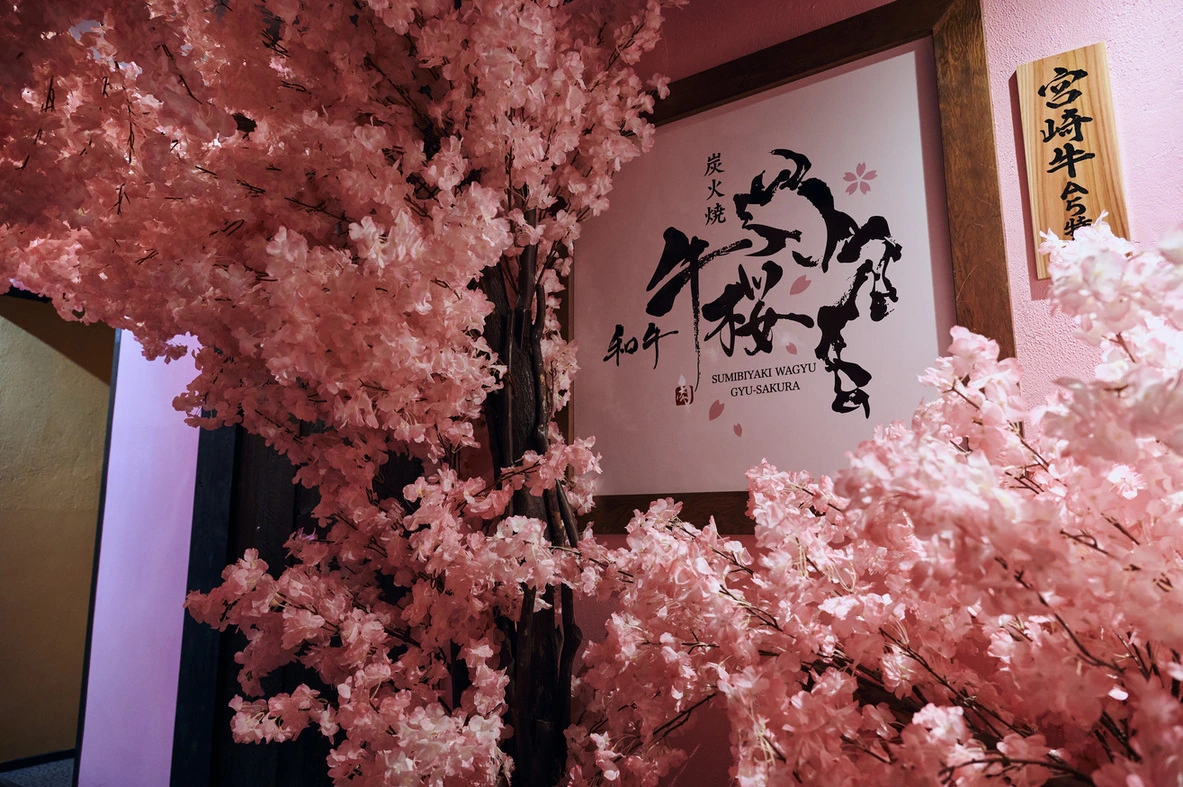
At Gyu Sakura, our pricing follows the same real-world range described above. À la carte cuts start around ¥2,300, a lighter meal with sides typically comes to ¥6,000–8,000 per person, and our full halal certified Miyazaki A5 courses run ¥8,000 to ¥10,000 per person, with premium A5-heavy courses reaching up to ¥12,000 — grilled fresh over traditional sumibiyaki charcoal. Every dish is 100% halal certified, with no pork or alcohol anywhere in preparation, and we offer a dedicated prayer room on site, just 4 minutes from Okachimachi Station and 8 minutes from Ueno Station.
If you want to compare pricing and certification across other halal restaurants before deciding where to book, HalalNavi maintains an independent directory worth checking. And when you do decide, booking directly through us means no third-party service fees tacked onto the price you see here.
Final Numbers to Remember
“How much does wagyu cost in Tokyo” isn’t really one question — it’s three, hiding inside each other: what grade, what cut, what level of certification actually matters to you. Answer those first, and the price stops being a mystery. What holds up across decent restaurants in the city is this: a careful meal with a couple of cuts and some sides runs ¥6,000 to ¥8,000, and a full course sits between ¥8,000 and ¥12,000. If someone quotes you a number way outside that, in either direction, they’re either describing a different kind of meal entirely or hoping you won’t ask for the details behind it.
Ready to see it for yourself? Book directly and skip any third-party booking fees.
Reserve your table: reservation.wagyusakura.com
Call us: 03-5826-4170
Visit: 6F, Yushima, Bunkyo City, Tokyo — 4 min from Okachimachi Station, 3 min from Ueno Hirokoji Station