Blog
Can You Eat at a Halal Restaurant If You Are Not Muslim

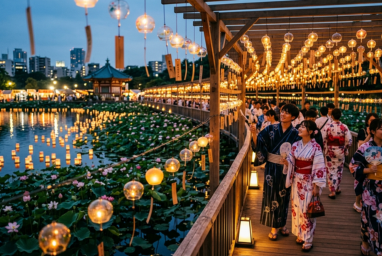
A traveler stops outside a restaurant in Ueno. The sign says halal certified. He/She is not Muslim. He/She is hungry and the menu smells incredible through the glass door, but a small, honest question stops her feet right there on the sidewalk.
Is this place actually for him/her?
This happens constantly in Tokyo. Tourists walk past halal signage every single day and quietly assume it means something exclusive, something they need permission to enter. That assumption is wrong, and it is costing curious travelers some genuinely great meals every week.
Here is why this matters. Tokyo now has hundreds of halal certified restaurants, many of them serving premium food like wagyu that any traveler would want to try. If non-Muslim visitors avoid these places out of confusion, they miss out on some of the city’s best dining, and the restaurants themselves lose customers they were never trying to exclude in the first place.
This guide clears up exactly what halal means, what actually changes at the table, and what a non-Muslim guest should know before walking in. By the end, you will know precisely how to order, what to expect, and why the answer to “can I eat here” is almost always yes.
Quick Answer
Halal describes how food is sourced and prepared. It does not describe who is allowed to eat it. Anyone, regardless of religion, can order and enjoy halal certified food. No special behavior or belief is required from the guest.
What Halal Actually Means
Halal is an Islamic dietary standard. It covers three main things in a restaurant setting.
Meat sourcing. Animals are slaughtered following a specific Islamic method, which includes a swift, humane cut and a prayer.
No pork, anywhere. Not on the grill, not in the stock, not hidden in a sauce.
No alcohol in the kitchen. This includes cooking staples like mirin and sake that appear in many traditional Japanese sauces.
None of these three points place a requirement on the customer. They are entirely about the kitchen’s sourcing and preparation process.
Overview: Who Halal Certification Actually Serves
Halal certification exists to reassure Muslim diners that a restaurant meets religious requirements. As a side effect, it also tends to raise the overall sourcing and hygiene bar, since certification bodies audit supply chains more strictly than average.
Non-Muslim diners benefit from that same rigor without needing to follow any of the underlying religious requirements themselves.
Why This Confusion Happens
Cause 1: Lack of exposure. Most non-Muslim travelers have never been taught what halal actually means, so the brain fills the gap with assumption.
Cause 2: Language barriers. A foreign menu combined with an unfamiliar word creates hesitation, even when the food itself would be perfectly enjoyable.
Cause 3: Fear of doing something wrong. Some visitors picture strict rules or expected behaviors that simply do not exist in practice.
Cause 4: Media framing. The word halal is often encountered in unrelated news contexts rather than food contexts, which distorts its meaning before anyone sets foot in a restaurant.
What Changes at the Table (and What Does Not)
Summary Box: What Changes
- No pork anywhere on the menu
- No alcohol served or used in cooking
- Meat is certified and traceable
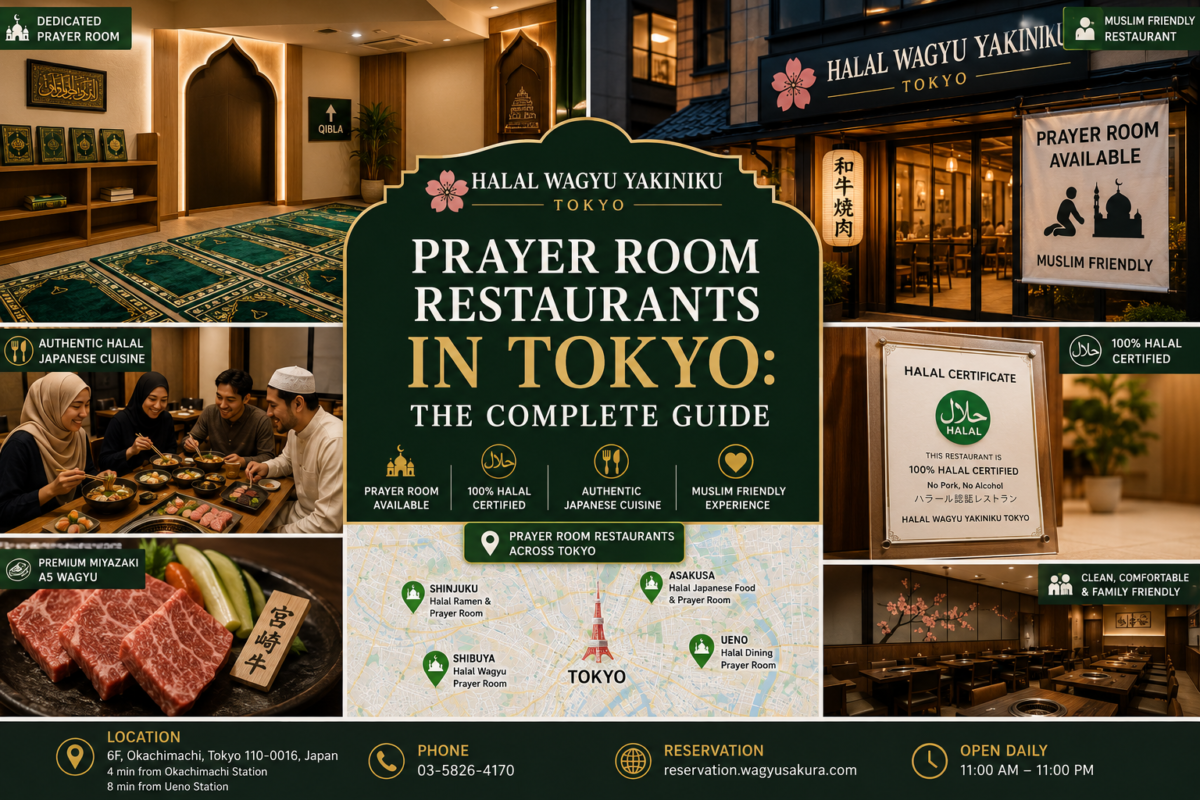
- A prayer space may be present for Muslim guests
Summary Box: What Does Not Change
- Anyone can order
- No dress code beyond normal restaurant standards
- No special behavior expected of the guest
- Flavor, portion size, and quality are unaffected by certification
- Staff treat every guest the same way
Common Mistakes Non-Muslim Diners Make
Mistake 1: Assuming Halal Means Bland Food
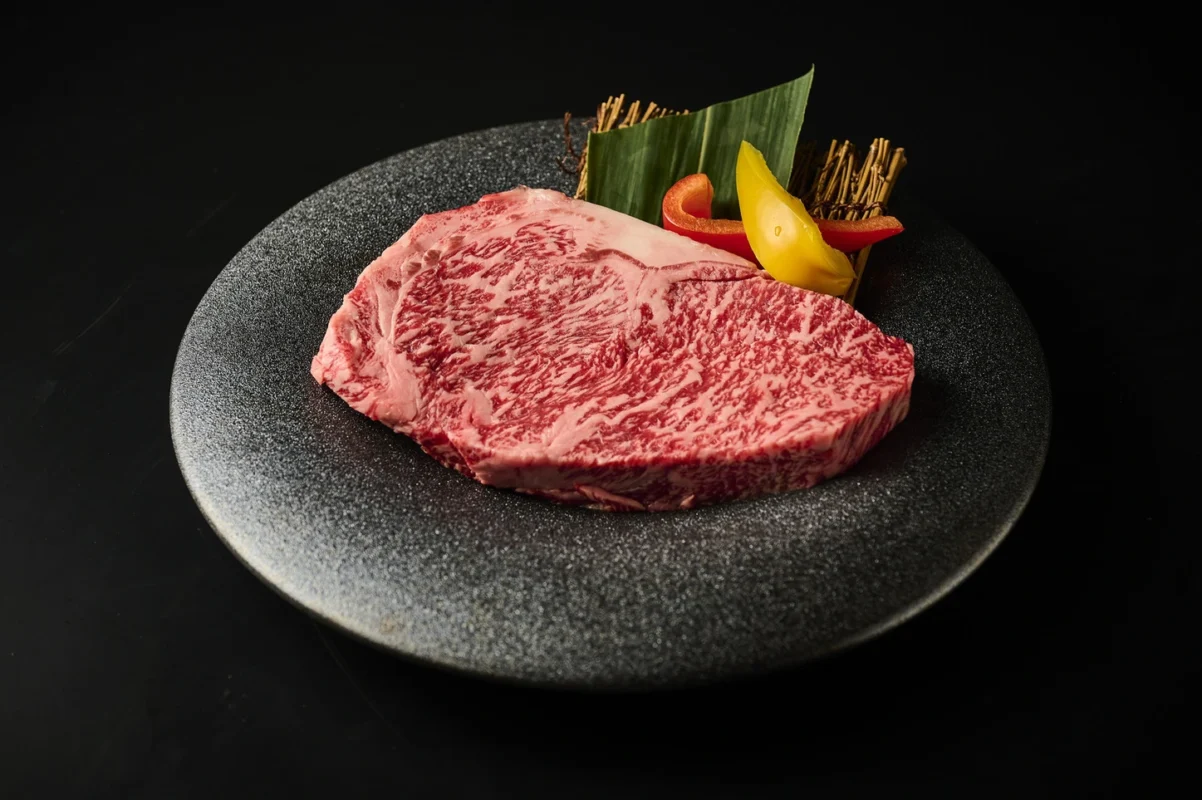
Halal certification says nothing about spice level or creativity. A halal certified wagyu restaurant can be just as rich and indulgent as any other.
Mistake 2: Bringing Alcohol Without Asking
Some venues allow guests to bring their own drinks under specific conditions. Others do not. A quick question at booking avoids an awkward moment at the door.
Mistake 3: Treating the Visit Like a Cultural Exhibit
Halal restaurants are businesses proud of their food, not display cases. Ordering, eating, and enjoying the meal is the entire expectation.
Mistake 4: Assuming Halal Equals Healthier
Halal is a religious and preparation standard, not a nutrition label. Judge the food on taste and quality the same way you would judge any restaurant.
Expert Tip
If you are unsure about anything on a halal menu, ask directly. Staff at tourist facing halal restaurants answer this question daily and are usually glad to explain their certification. A confident, transparent answer is actually a good sign the certification is legitimate.
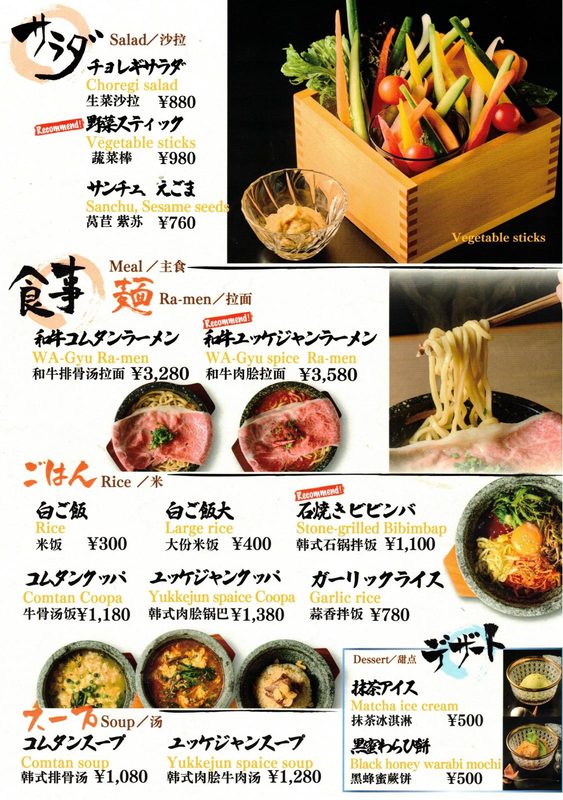
Halal vs Regular Restaurant Comparison
| Factor | Halal Restaurant | Regular Restaurant |
| Who can order | Anyone | Anyone |
| Pork on menu | Never | Sometimes |
| Alcohol served | No | Usually yes |
| Alcohol used in cooking | No | Sometimes |
| Meat sourcing | Certified, traceable | Varies |
| Dress code | Normal | Normal |
| Special behavior expected of guest | None | None |
| Prayer space available | Sometimes | Rarely |
Costs and Value Considerations
Certification can add cost to a restaurant’s sourcing and supply chain management, since audited meat and controlled kitchen processes take more effort to maintain. This does not automatically mean higher menu prices. Pricing still varies restaurant by restaurant, the same as any other dining category.
Alternative comparison worth knowing: think of halal certification the way you would think of kosher, organic, or allergen free labeling. Each tells you something specific about sourcing. None of them restrict who is allowed to purchase or enjoy the product.
Best Practices for a First Visit
Checklist Before You Book
- Confirm whether the restaurant allows outside drinks, if that matters to you
- Check opening hours, since some halal restaurants close briefly around prayer times
- Look at the menu in advance if a language barrier concerns you
- Ask about signature dishes rather than assuming the menu is limited
- Reserve ahead for popular spots, especially wagyu focused restaurants
- Bring a mixed group with confidence. Muslim and non-Muslim guests order from the exact same menu
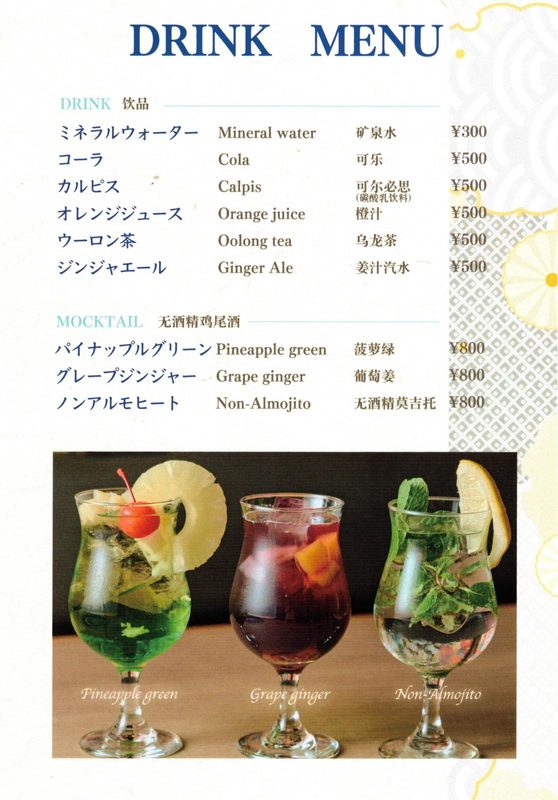
Decision Factors for Choosing a Halal Restaurant
If you are deciding between a halal certified restaurant and a regular one, base the decision on the food itself, not the certification. Ask the same questions you would ask anywhere. What is the specialty. What do reviews say. Does the price match the experience.
The certification simply tells you the kitchen meets an additional sourcing standard. It should never be the deciding factor against trying food that otherwise looks appealing.
Future Considerations: A Growing Category
Halal dining is expanding quickly in Tokyo as the city welcomes more Muslim travelers and residents. For non-Muslim visitors, this means more variety, not less. Halal certified sushi, ramen, burgers, and yakiniku are increasingly common, which gives every traveler more places worth exploring rather than fewer.
Frequently Asked Questions
Can you eat at a halal restaurant if you are not Muslim?
Yes. There is no religious requirement placed on the customer, only on how the restaurant sources and prepares the meal.
Will I have to follow any special rules if I am not Muslim?
No specific behavior is expected of you. Normal restaurant etiquette applies, the same as anywhere else.
Does halal food taste different from regular food?
Not because of certification itself. Flavor comes from the chef, the ingredients, and the recipe, not from the halal status.
Why don’t halal restaurants serve alcohol?
Alcohol is prohibited under Islamic dietary law, so certified kitchens avoid it entirely, including as a cooking ingredient in sauces like mirin based glazes.
Is halal meat prepared differently from regular meat?
Yes. It follows a specific slaughter method under Islamic law, which also emphasizes a swift, humane process.
Can I bring wine or beer to a halal restaurant?
Some venues allow guests to bring their own non-halal drinks under certain conditions. It is always worth confirming this directly with the restaurant before your visit.
Is it disrespectful for a non-Muslim to eat at a halal restaurant?
Not at all. Restaurants that pursue halal certification generally do so specifically to welcome a wider range of guests, tourists included.
Do halal restaurants only serve Middle Eastern or South Asian food?
No. Halal certification applies across cuisines, including Japanese yakiniku, Italian food, burgers, and many others, especially in a tourist heavy city like Tokyo.
Will the staff treat me differently if I am not Muslim?
No. Staff at tourist facing halal restaurants are used to serving a mixed dining room every single day.
Is halal food healthier than non-halal food?
Not inherently. Halal is a religious and preparation standard, not a health or nutrition rating.
Can I ask questions about halal certification while I am there?
Absolutely. A confident, transparent answer from staff is a good sign of legitimacy.
Do I need to dress a certain way to eat at a halal restaurant?
No special dress code applies beyond normal restaurant expectations.
Is a halal restaurant more expensive because of certification?
Certification can add sourcing cost, but pricing still varies restaurant by restaurant just like any other category.
What should I order if I am trying halal food for the first time?
Order what looks good to you. A halal yakiniku or wagyu restaurant, for example, is ordered exactly like any other yakiniku restaurant, cut by cut or course by course.
Can Muslim and non-Muslim friends comfortably eat together at a halal restaurant?
Yes. Everyone at the table eats from the same menu with no separate rules, which is one of the most common reasons these restaurants exist in mixed tourist cities.
Conclusion
Can you eat at a halal restaurant if you are not Muslim? Yes, without question.
Practical takeaways:
- Halal is a preparation standard, not a membership requirement
- Anyone can order, eat, and enjoy the same menu
- The only real difference is no pork and no alcohol in the kitchen
- Confusion about this costs travelers great meals every day in Tokyo
If a menu looks good, the answer to walking in is yes, regardless of your own beliefs or background.
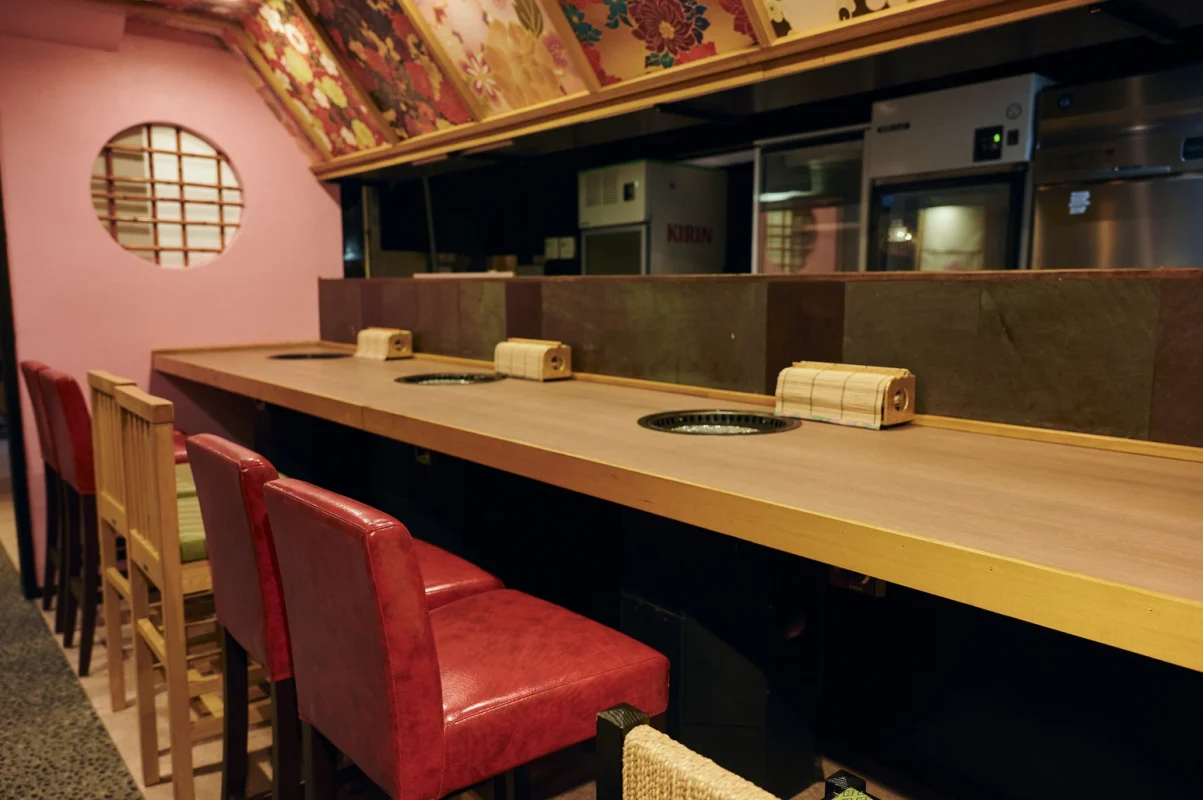
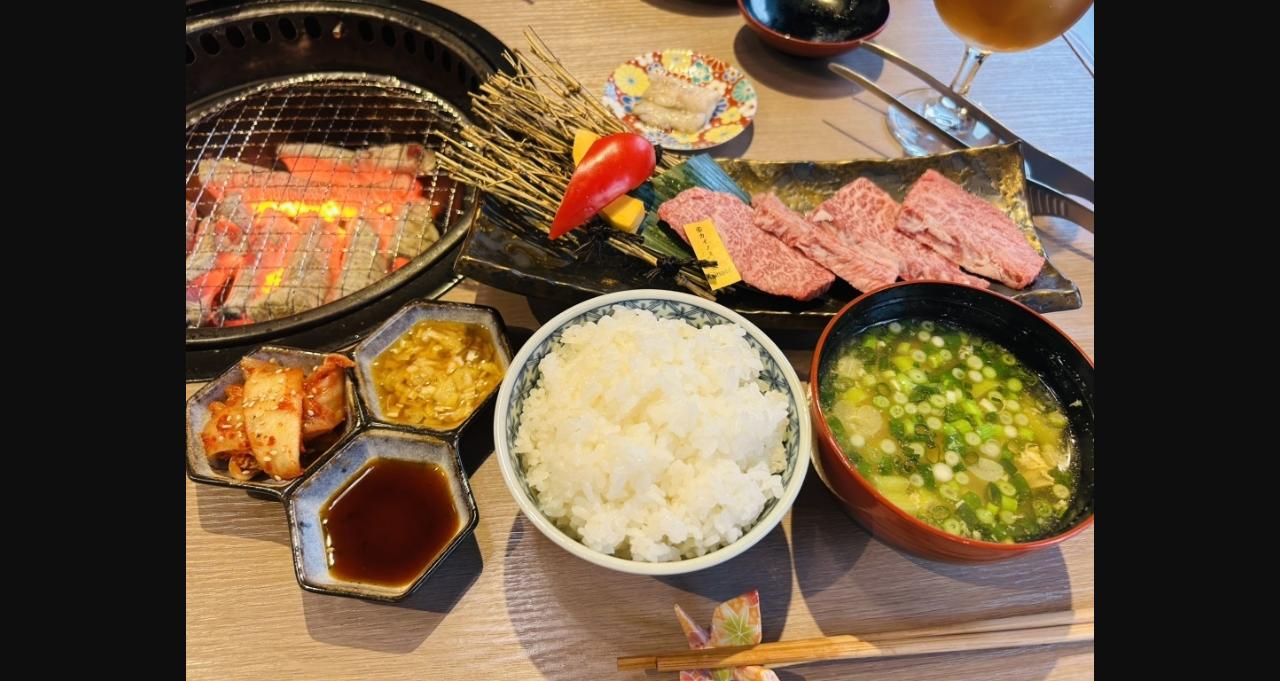
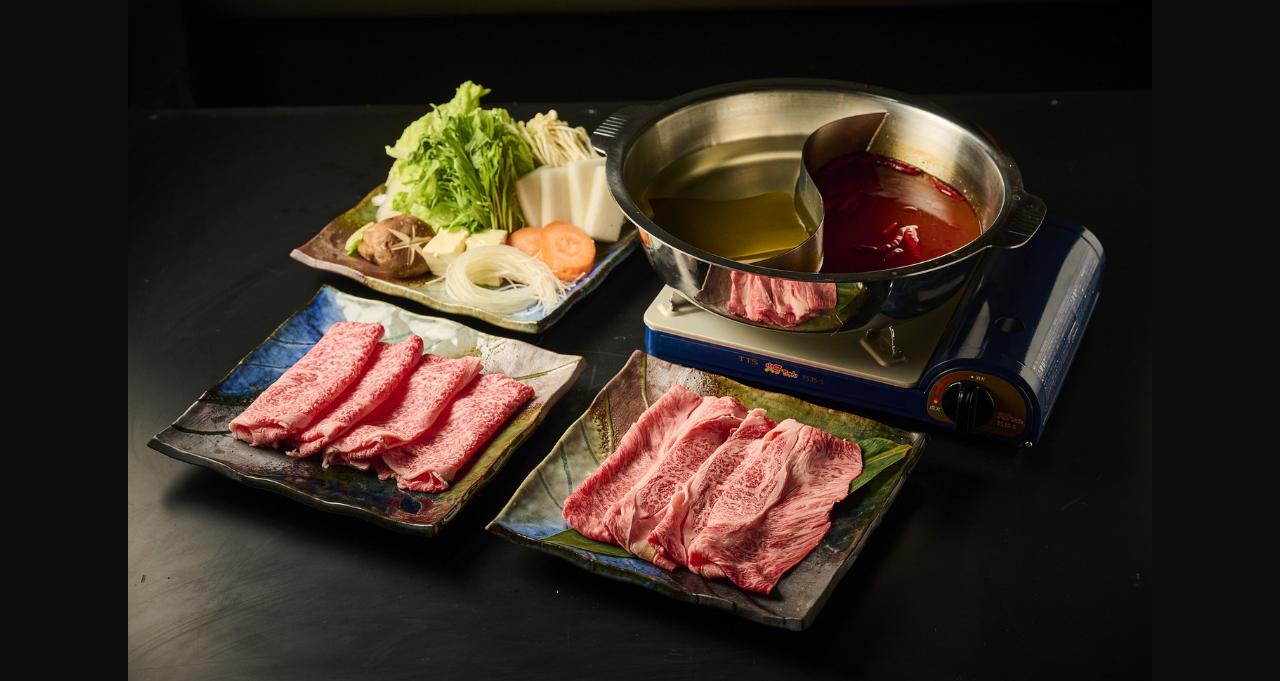
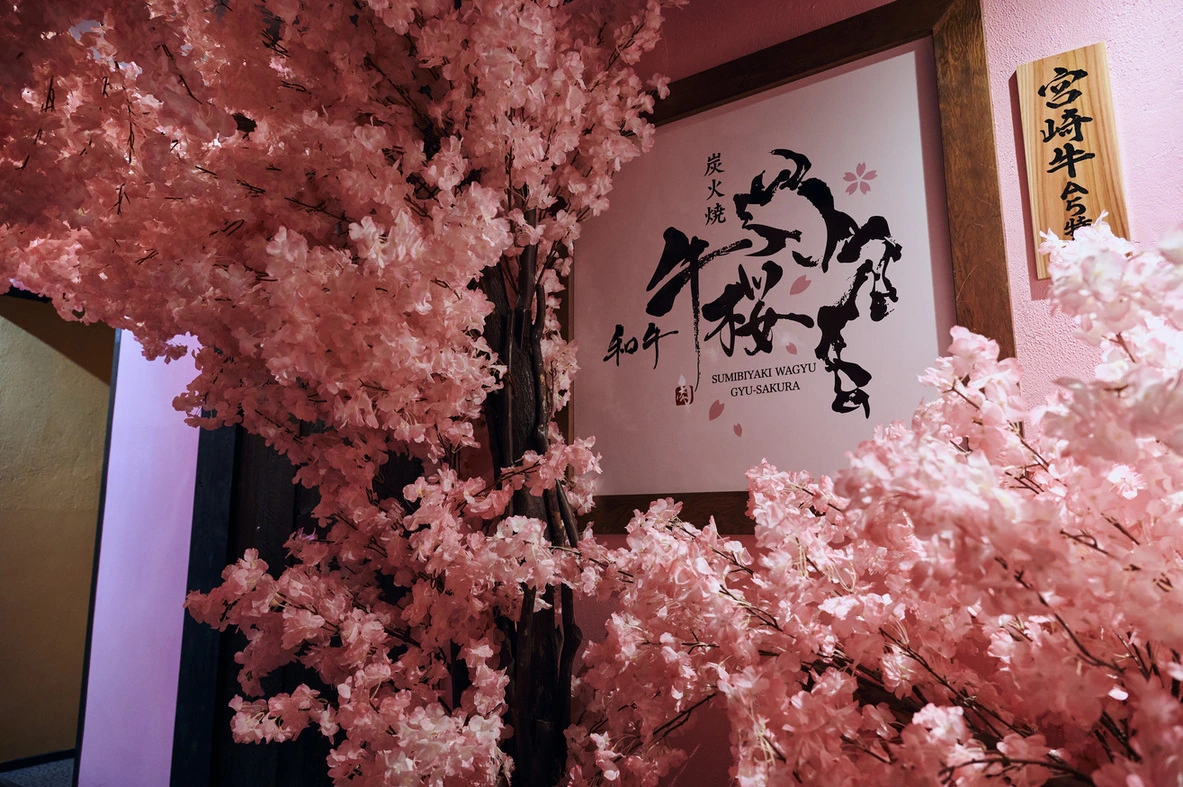
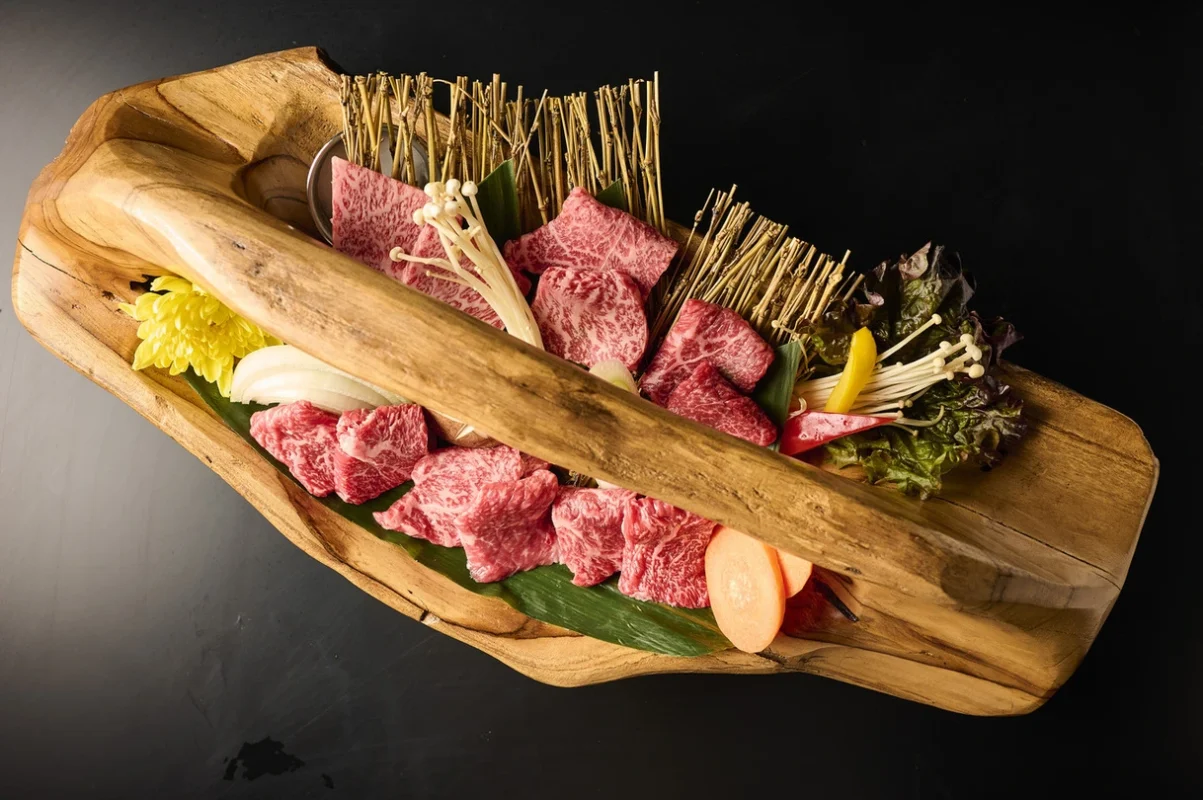
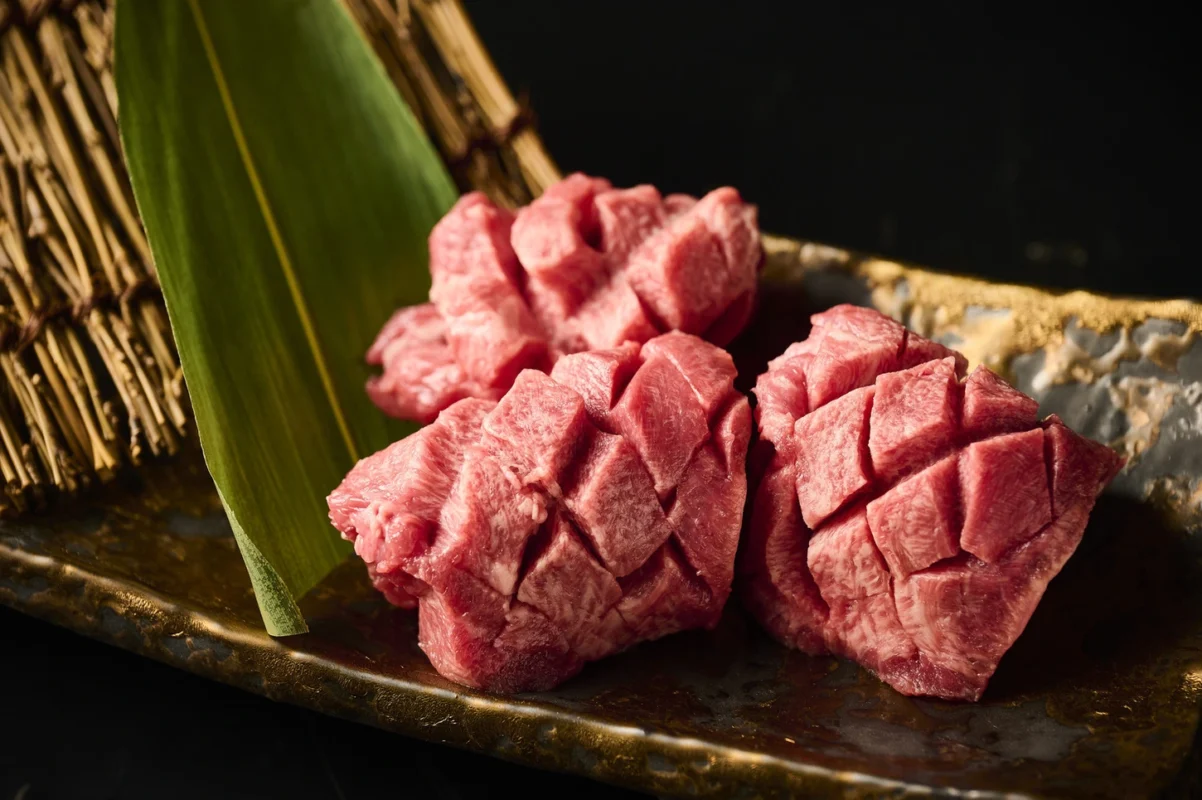
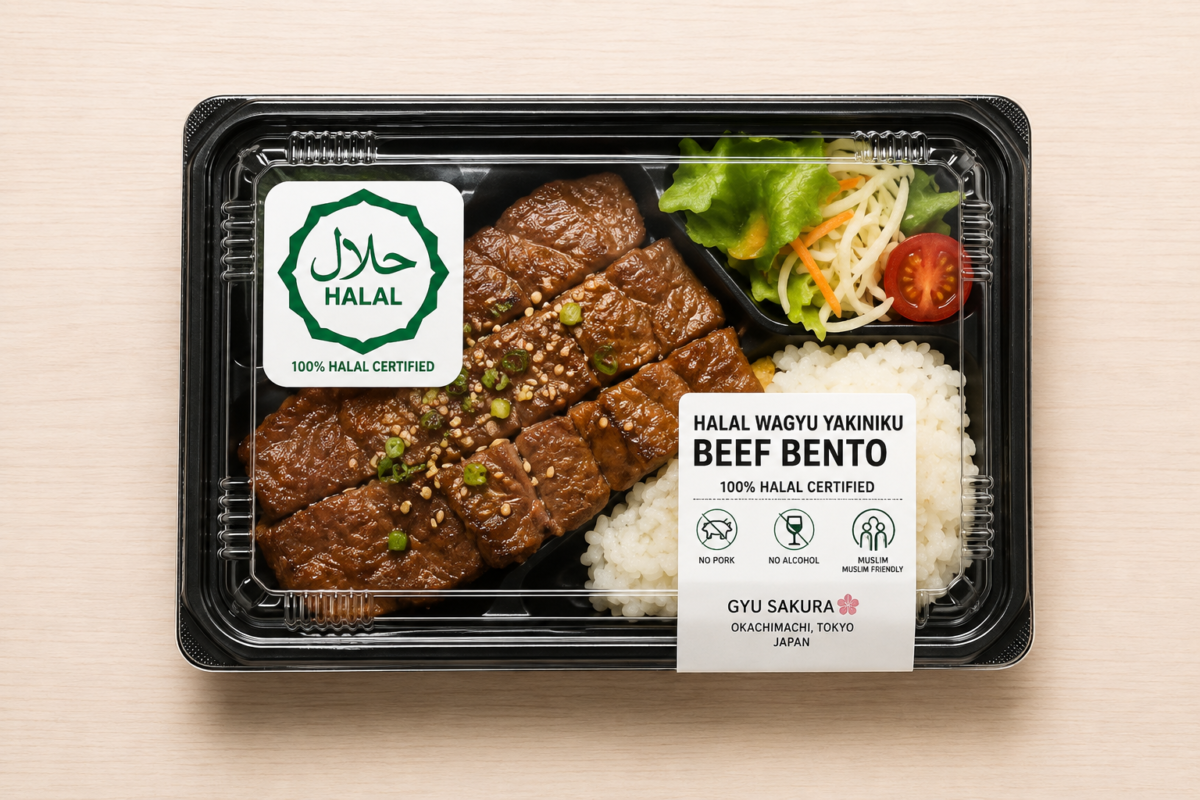
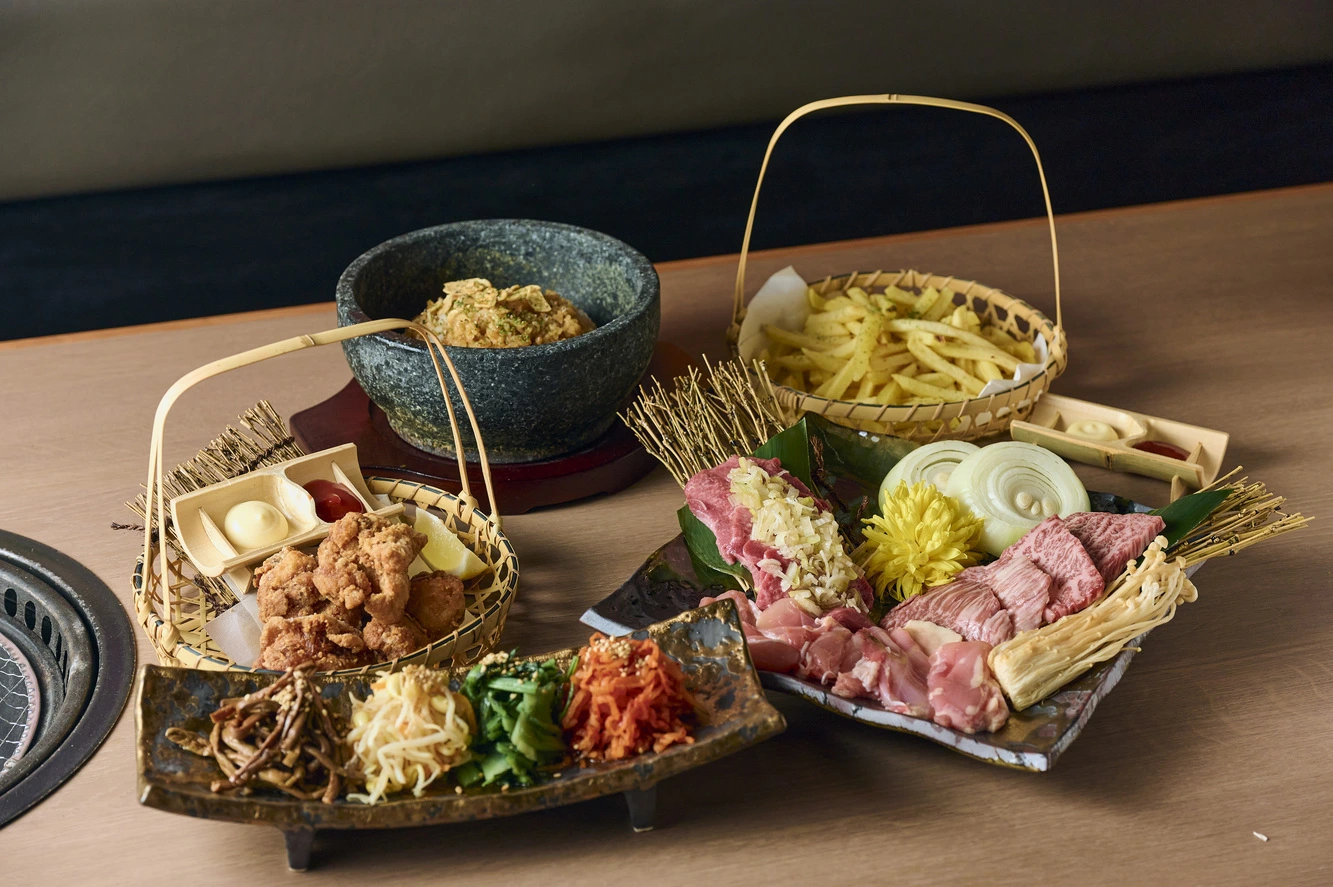
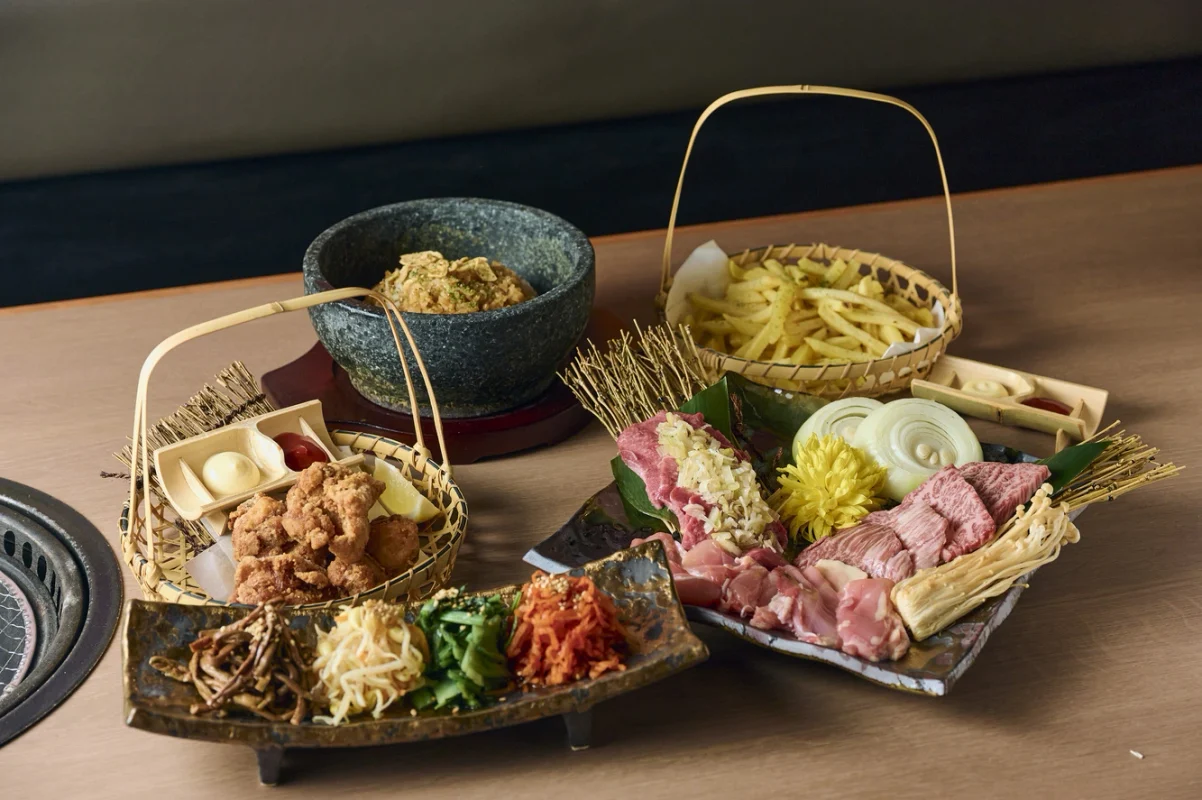
At Gyu Sakura, that welcome is built into how the restaurant operates every day. Halal certified Miyazaki A5 wagyu, grilled over traditional sumibiyaki charcoal, served to Muslim and non-Muslim guests side by side with zero difference in treatment.
Reserve your table: reservation.wagyusakura.com
Call us: 03-5826-4170
Visit: 6F, Okachimachi, Tokyo, 4 minutes from Okachimachi Station, 8 minutes from Ueno Station