Blog
Kobe vs Matsusaka vs Omi vs Miyazaki: A Japanese Branded Beef Guide

Kobe vs Matsusaka vs Omi vs Miyazaki: A Japanese Branded Beef Guide
Ask ten people to name a famous Japanese beef, and nine will say Kobe without a second’s hesitation. It’s the one word that crosses over into English menus everywhere – shorthand for “outrageously expensive, melts before you even chew.” But spend a little time inside Japan’s actual wagyu world, and you’ll notice something odd: plenty of people there don’t rank Kobe first at all.
Chefs in Osaka will make a case for Matsusaka. Families in Shiga, whose grandparents raised cattle there, will tell you Omi has no real rival. And more and more often these days, competition judges are quietly pointing toward Miyazaki as the beef that keeps winning when nobody’s watching the brand name.
So what’s actually going on here? This Japanese branded beef guide is built to sort that out – what separates these four names from each other, and more importantly, what should actually change your decision if you’re sitting down for a wagyu dinner in Tokyo tonight.
First, What “Wagyu” Actually Means (Because It’s Not What Most People Think)
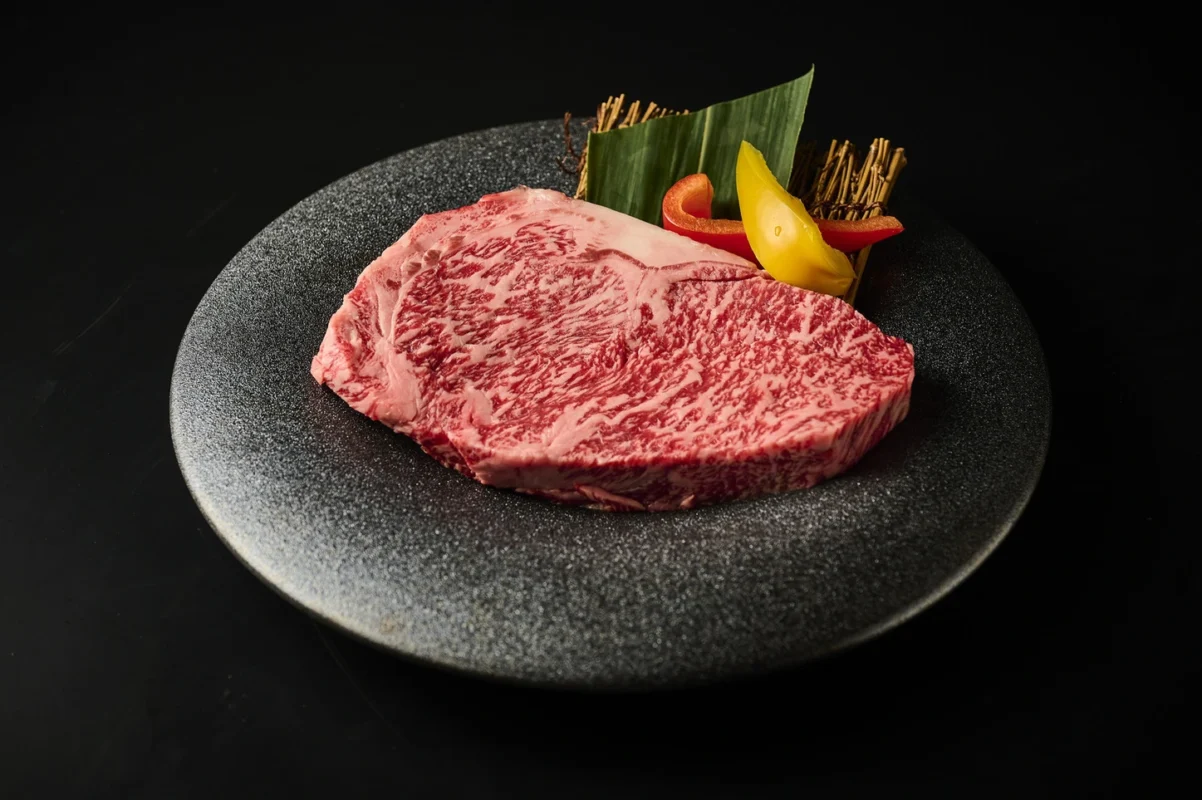
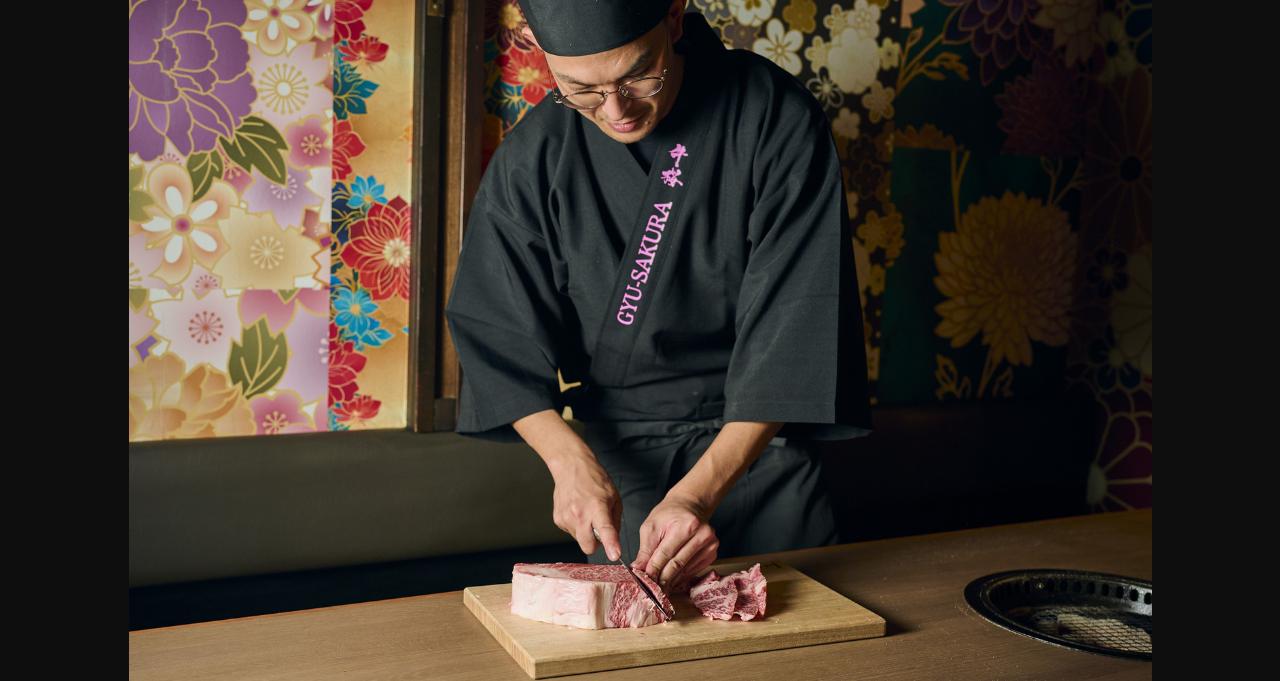
Wagyu just means “Japanese cattle.” That’s it. It isn’t a grade, and on its own it isn’t even a promise of quality – it’s a category, covering four native breeds, the vast majority of which is Japanese Black. Sitting inside that one category are dozens of regional brands, each tied to a prefecture, a bloodline, and its own certification body. Kobe, Matsusaka, Omi, and Miyazaki are four of the most respected names in that system.
They’re not four different animals, despite how the marketing sometimes makes it sound. They’re four different standards, applied to closely related cattle raised in four very different corners of the country.
All four get measured on the same national scale, set by the Japan Meat Grading Association. Two numbers do most of the talking: a yield grade from A to C, where A means more usable meat per carcass, and a quality grade from 1 to 5 that folds in marbling, color, texture, and fat quality.
Buried inside that quality score is the Beef Marbling Score – BMS – which runs from 1 up to 12. A5 with a high BMS is about as good as this system gets, and all four beefs in this comparison are capable of hitting that ceiling. Which is exactly why the real differences between them come down to something more interesting than a number on a chart.
Kobe: The Name Everyone Knows, and For Good Reason
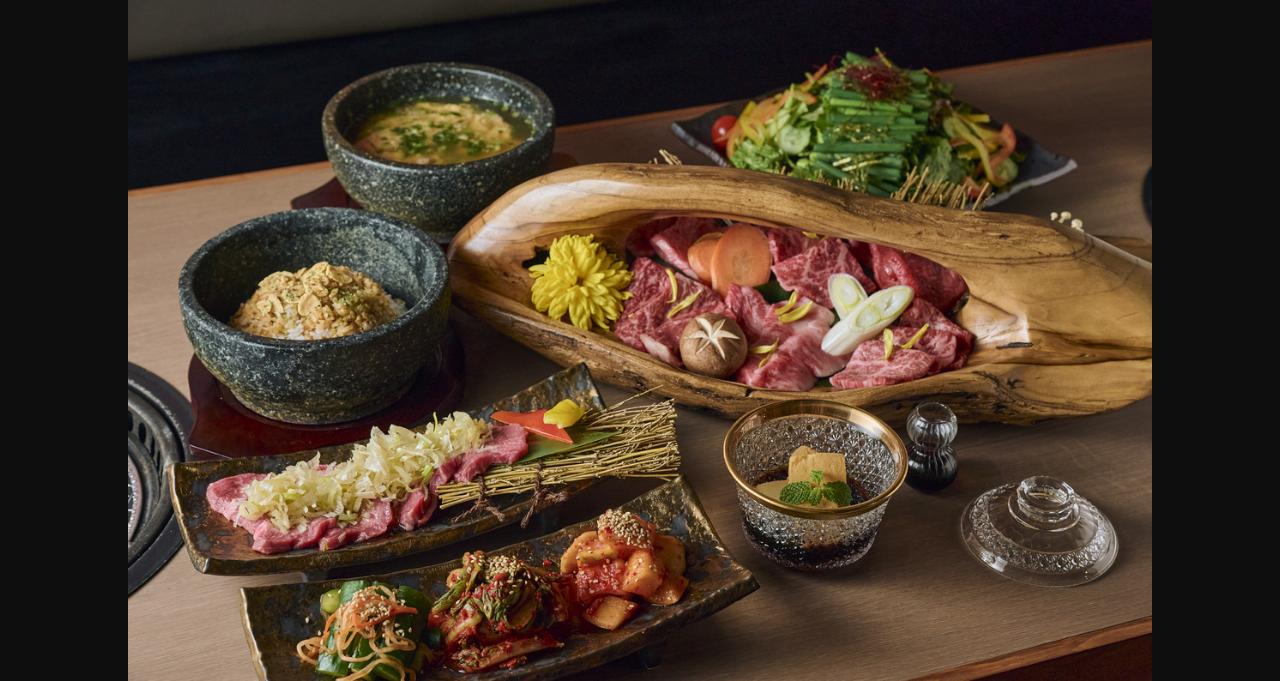
Kobe comes exclusively from Tajima-strain Japanese Black cattle, and the rules are unforgiving – the cattle have to be born, raised, and slaughtered entirely within Hyogo Prefecture. Only steers and virgin heifers make the cut, and every carcass needs at minimum a BMS of 6 alongside an A4 or A5 grade just to be considered.
Most certified Kobe actually lands somewhere between BMS 8 and 12. Only a small number of cattle a year clear that bar – a genuinely tiny figure once you consider how many restaurants around the world claim to be serving it.
That scarcity is really the whole story here. Kobe isn’t necessarily “better” than the others in a blind tasting – plenty of wagyu experts will admit, off the record, that the sensory gap between top-tier Kobe and top-tier Miyazaki is marginal at best.
What Kobe actually has that the others don’t is the tightest, most rigorously policed certification in the country, right down to a traceable ID number and an official seal stamped on every legitimate cut. You’re not just buying beef when you order Kobe. You’re buying a chain of custody that’s almost impossible to fake.
Matsusaka: The One Connoisseurs Quietly Argue Is Better
Matsusaka, raised in Mie Prefecture, takes a different route to exclusivity altogether. Instead of locking down geography and lineage the way Kobe does, it locks down the cattle themselves – only virgin female cattle qualify, and they’re raised under conditions so meticulous they sometimes read more like a spa routine than a farming schedule.
The payoff is a fat quality many describe as noticeably sweeter and silkier than Kobe’s. At auction, Matsusaka cattle routinely fetch some of the highest prices of any wagyu in Japan.
Annual output is small – smaller, by most estimates, than Kobe’s when the numbers are lined up side by side. It’s one of Japan’s “three great beefs” (Sandai Wagyu), sharing that title with Kobe and Omi. And among people who’ve actually sat down and tasted a wide spread of Japan’s regional wagyu, it’s not unusual at all to hear Matsusaka named as the real favorite, Kobe’s fame notwithstanding.
Omi: The Original, Carrying Four Centuries on Its Back
If Kobe is the name everyone recognizes and Matsusaka is the one connoisseurs quietly prefer, Omi is the one with the deepest roots of all. Produced in Shiga Prefecture, its documented history stretches back more than 400 years – making it the oldest branded beef in Japan by a wide margin, predating the modern idea of “wagyu” entirely.
It shares the three-great-beefs title with Kobe and Matsusaka, and it’s best known for an even finer marbling pattern and a lingering, delicate aftertaste rather than an upfront rush of richness.
Omi doesn’t carry the same international name recognition Kobe does, mostly because its production has stayed smaller and more regionally focused over the centuries. But talk to anyone from the Kansai area about it, and you’ll hear the kind of quiet reverence usually reserved for a family recipe handed down for generations. In a very real sense, that’s exactly what it is.
Miyazaki: The Rising Force That Keeps Winning
Miyazaki is the newest name here in terms of international recognition, and by far the fastest-growing in reputation. It has taken Japan’s National Competitive
Exhibition of Wagyu – essentially the closest thing this industry has to a national championship – multiple times, an achievement few other prefectures have matched in recent competition cycles. That’s not a marketing line. It’s the result of blind judging by working wagyu professionals, evaluating cattle pulled from every major producing region in the country.
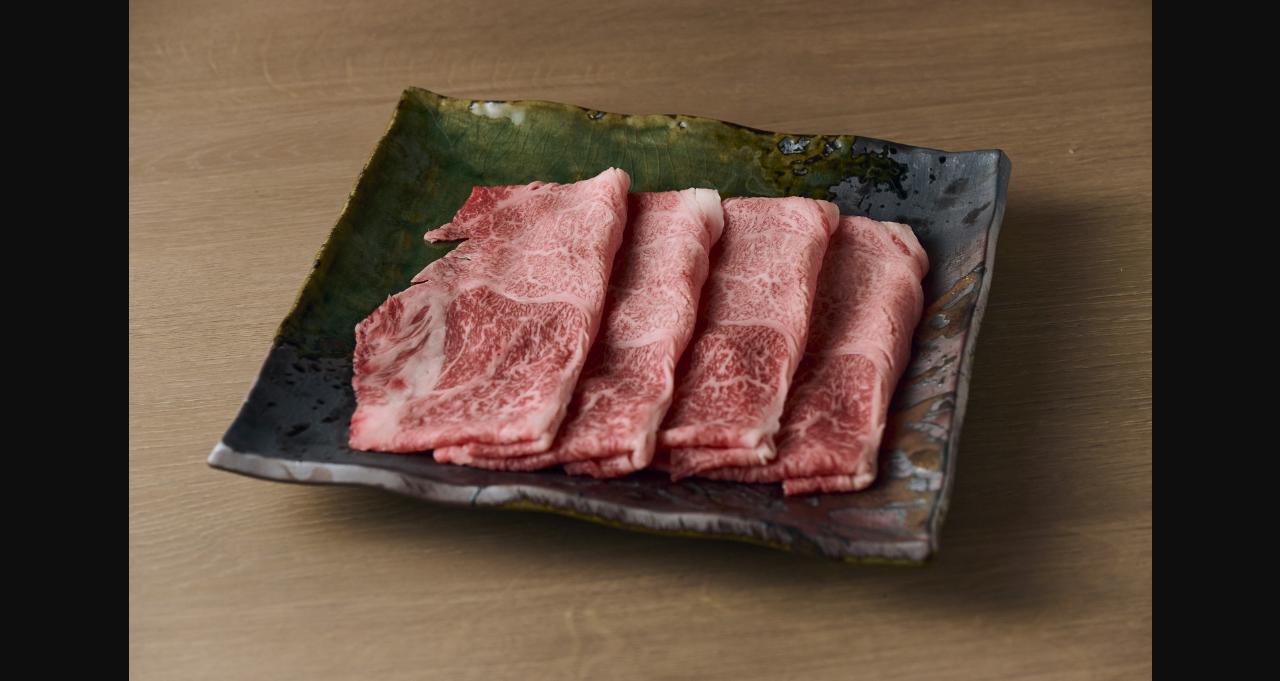
What makes Miyazaki particularly relevant if you’re actually eating in Tokyo, though, is production volume. Where Kobe and Matsusaka both cap out at relatively small annual numbers, Miyazaki’s larger, more modern production infrastructure means A5-grade cuts are genuinely obtainable – including, critically, through halal-certified supply chains.
That’s a detail most wagyu comparison guides skip over completely. It happens to be the one detail that actually matters if you’re trying to eat any of these four beefs in Japan as a Muslim traveler or resident.
So Which One Should You Actually Order?
Here’s the honest answer, without the marketing gloss: at the very top end, the sensory difference between high-BMS Kobe, Matsusaka, Omi, and Miyazaki is small enough that most people – including plenty of self-described wagyu experts – genuinely struggle to tell them apart blind.
What actually separates them in practice is availability, how tightly the certification is enforced, and increasingly, whether you can verify what you’re eating actually meets your dietary needs.
- Go with Kobe if the name and the traceability matter most to you, and you’re fine with extremely limited availability.
- Go with Matsusaka if you want what a lot of connoisseurs would argue is the most refined fat quality in the country.
- Go with Omi if you want four centuries of unbroken tradition sitting on your plate.
- Go with Miyazaki if you want competition-proven A5 quality that’s actually accessible – halal certified included, which the other three can rarely offer in any meaningful way.
For a closer look specifically at how Miyazaki and Kobe stack up on halal availability, we’ve written about that in more depth in our guide to Miyazaki A5 vs Kobe Beef – worth a read if certification is your main concern.
The Halal Question None of These Certifications Even Ask
Every one of these four beefs is judged purely on meat quality – marbling, yield, texture, how the fat behaves. None of the regional certification bodies factor halal compliance into that equation at all, because it’s a completely separate audit, covering the slaughter process, the supply chain, and every step of kitchen preparation.
This is exactly why “which wagyu is best” and “which wagyu can I actually eat” turn out to be two completely different questions with two completely different answers.
Kobe’s production is so small and so tightly held by Hyogo-based distributors that halal certification is close to nonexistent in that supply chain. Matsusaka and Omi run into similar limits, given how small their annual output already is.
Miyazaki, thanks to its larger production base, ends up being the one regional wagyu brand where halal certified A5 is genuinely findable in Tokyo – which, frankly, is exactly why we built our menu around it.
Tasting the Difference at Gyu Sakura
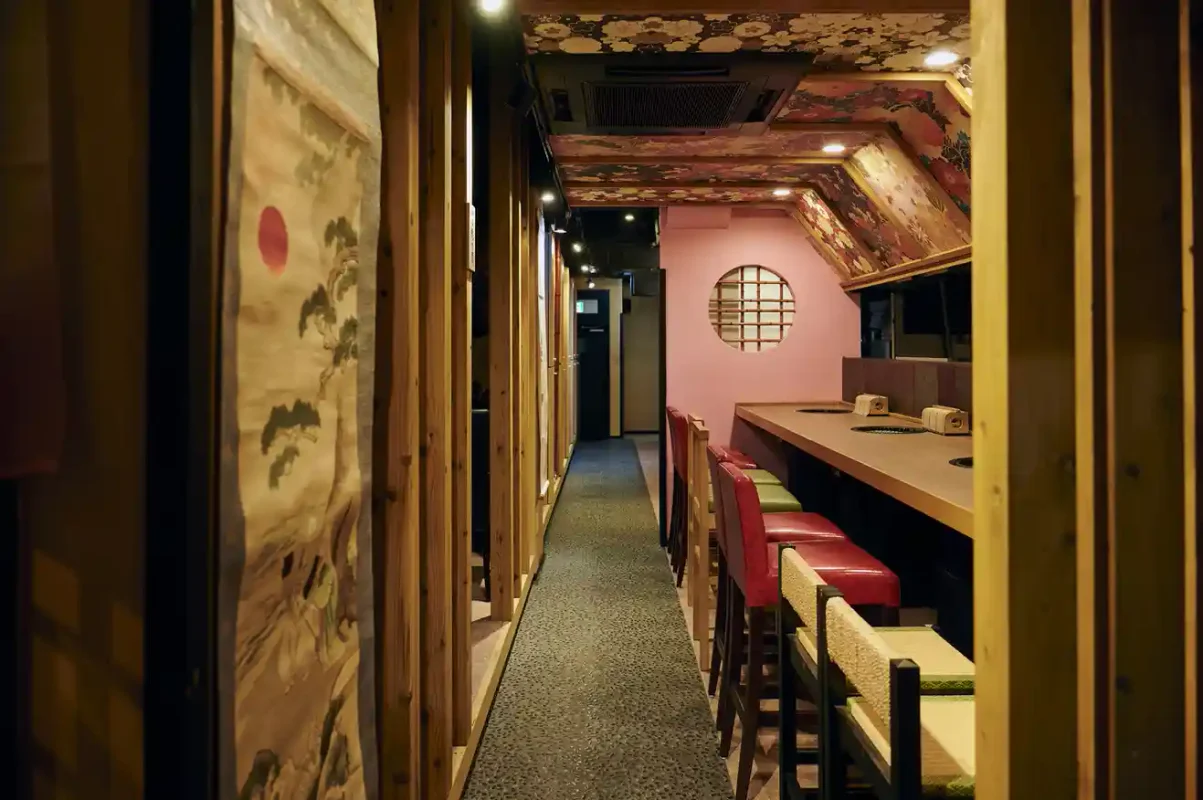
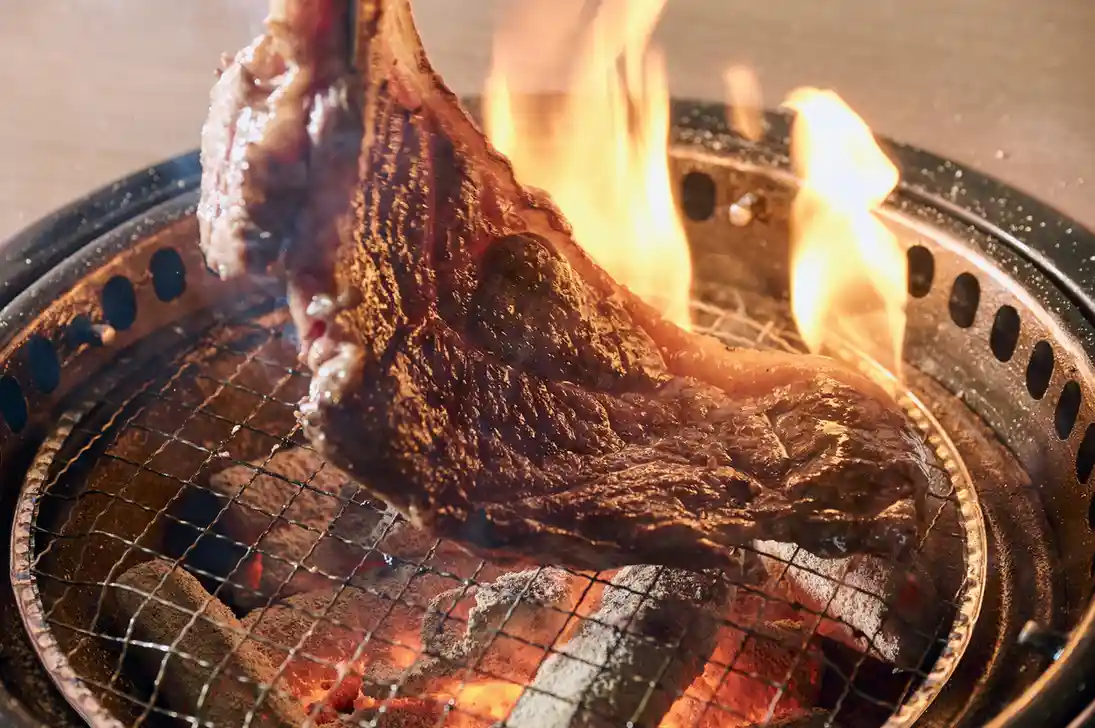
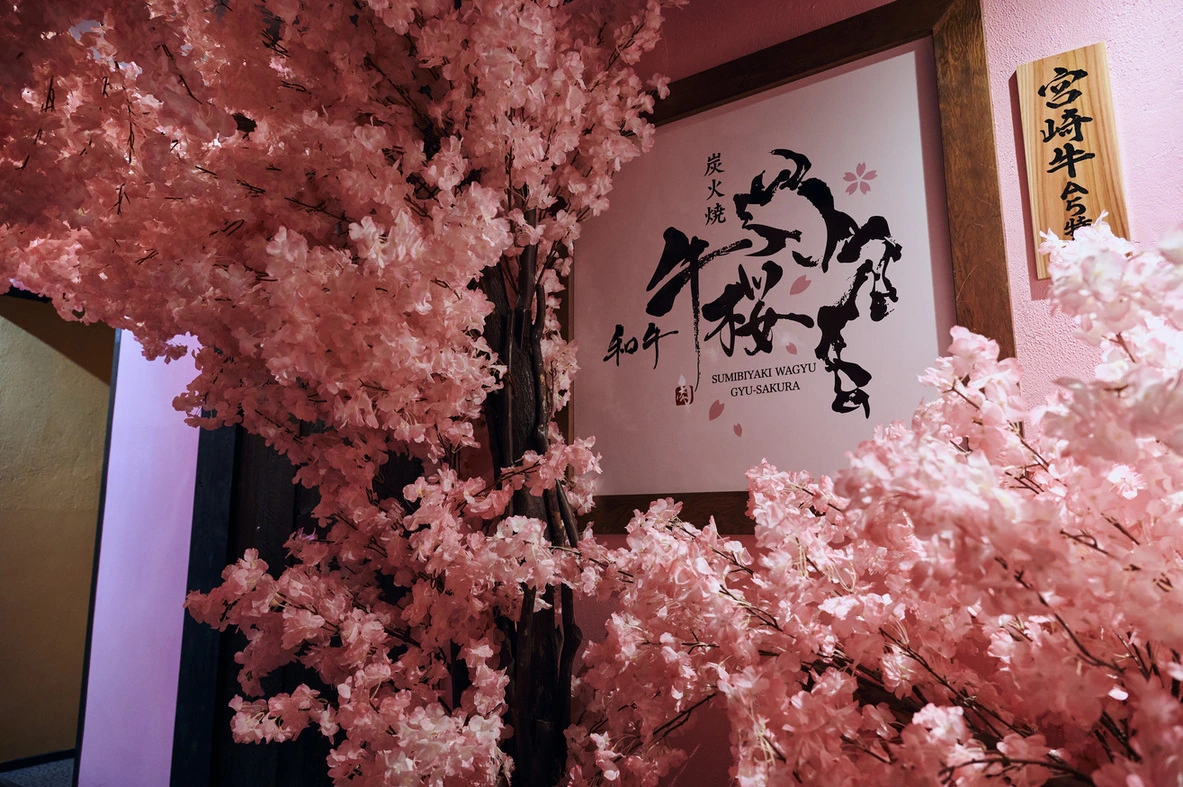
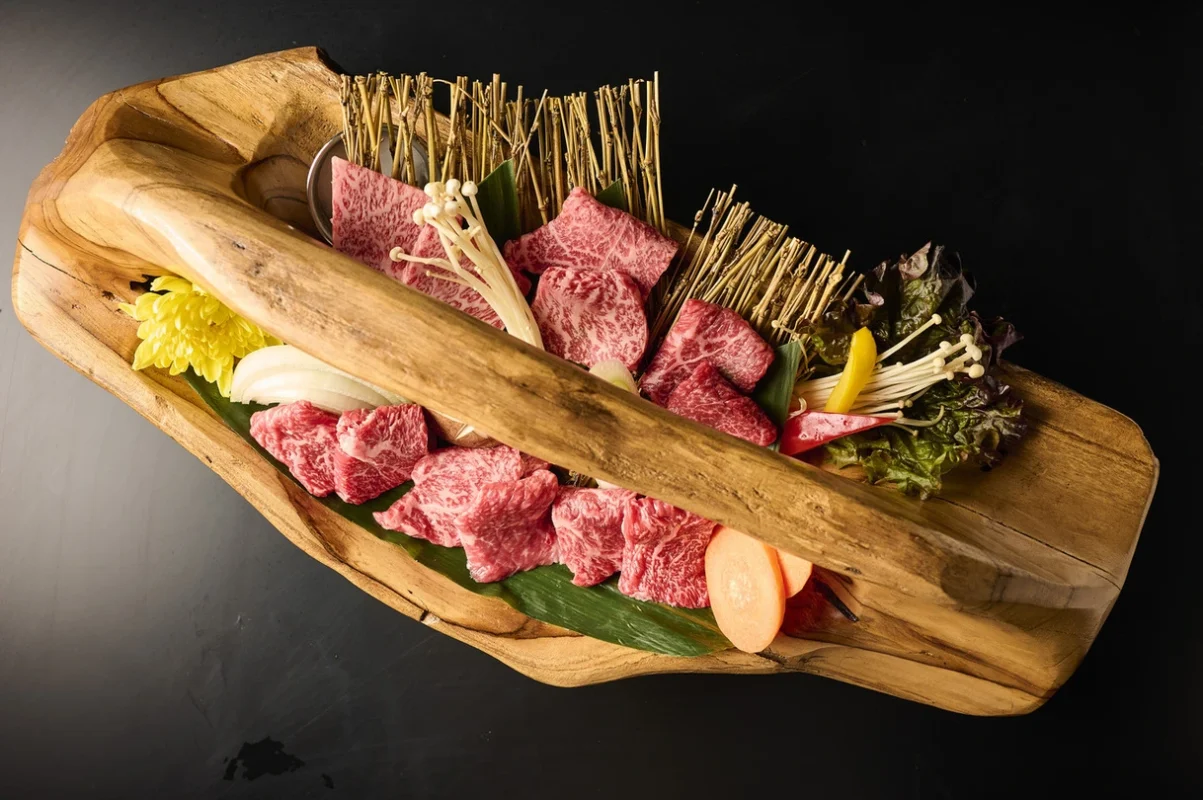
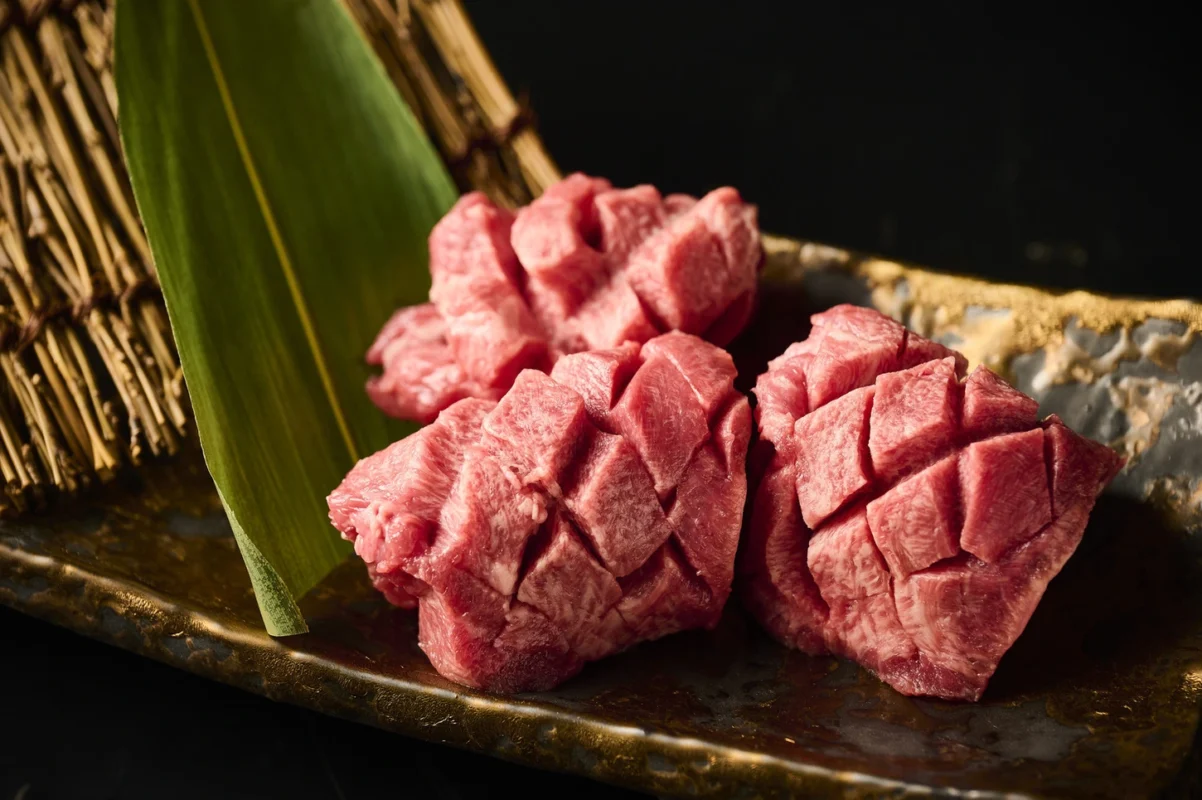
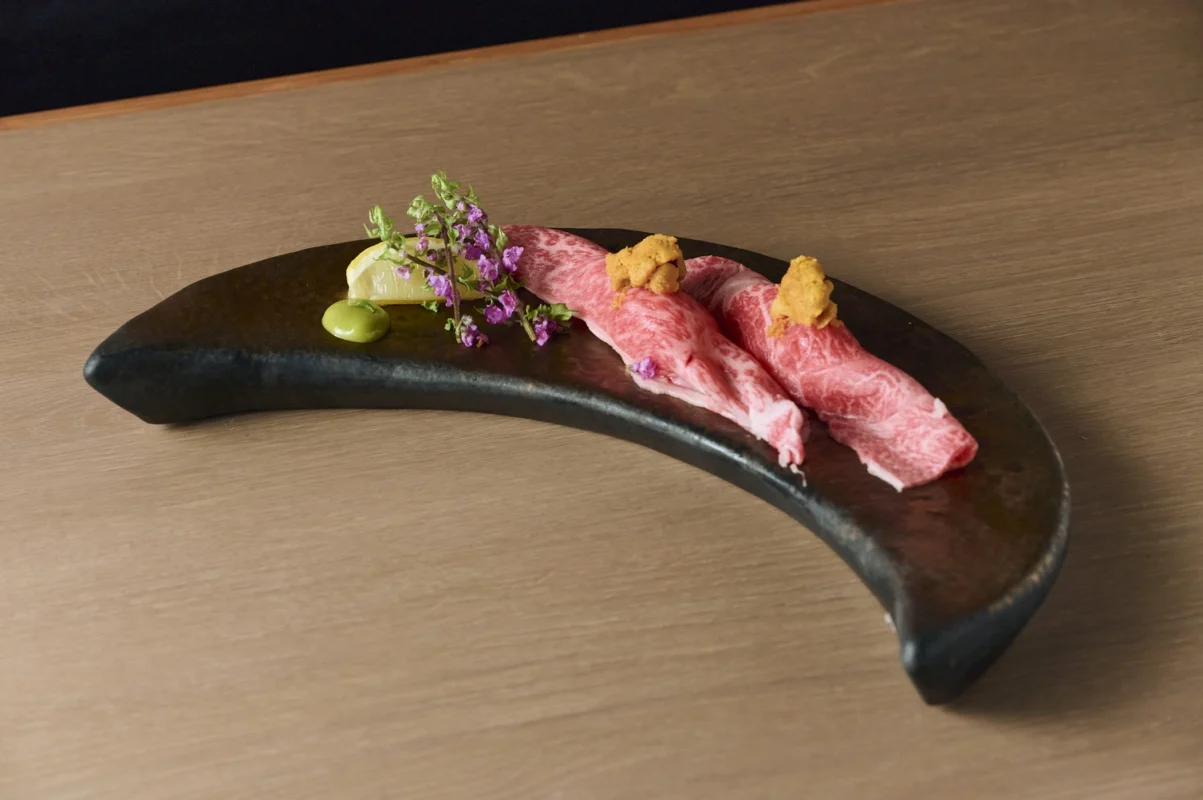
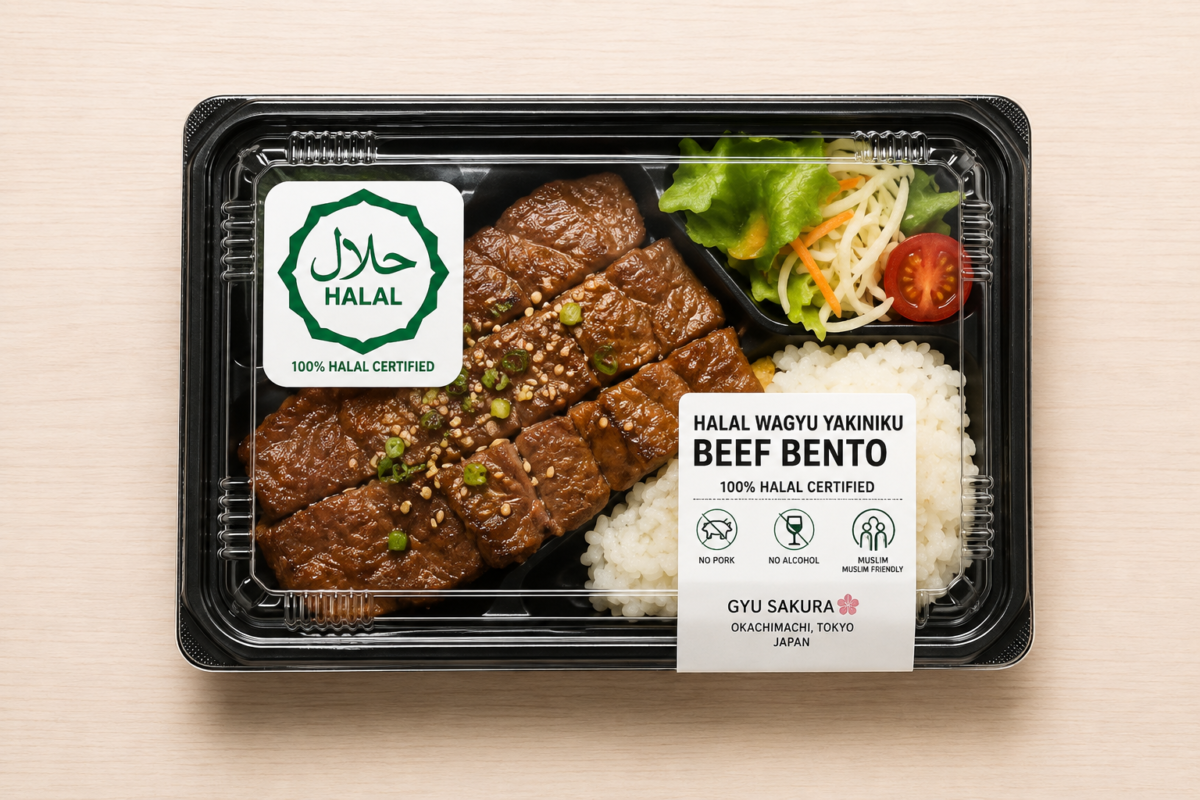
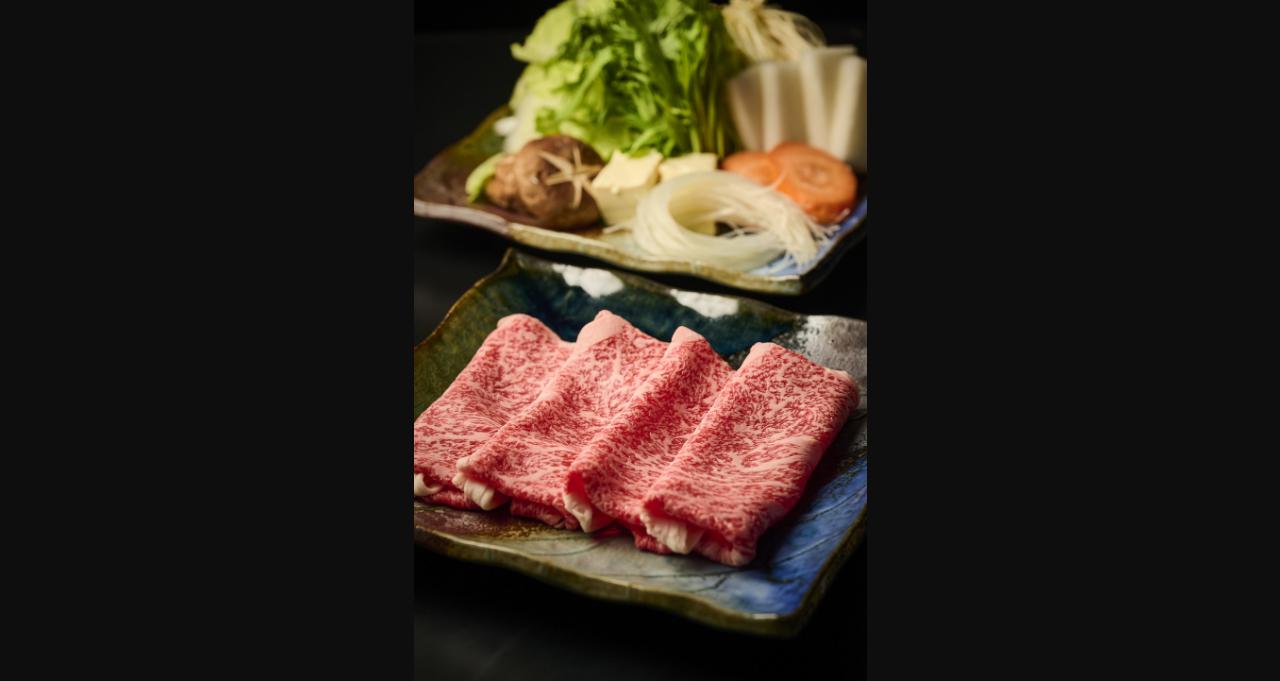
At Gyu Sakura, we serve halal certified Miyazaki Black Wagyu A5, grilled the traditional way over sumibiyaki charcoal. Every single cut is 100% halal certified – no pork, no alcohol, anywhere in the kitchen – and we offer a dedicated prayer room on site, just 4 minutes from Okachimachi Station and 8 minutes from Ueno Station.
You don’t have to take our word for any of the certification standards mentioned above – the Japan Halal Association publishes exactly what restaurants are audited against, and independent directories like Halal Navi let you cross-check halal status anywhere in Tokyo before you book a table.
The Bottom Line
Kobe, Matsusaka, Omi, and Miyazaki are really four different answers to the same question: what does it take to raise the finest beef in Japan?
Each region has spent decades – in Omi’s case, centuries – perfecting an approach that produces genuinely exceptional results. Chase the single “best” wagyu in Japan, and you’ll likely spend years and a small fortune hunting a distinction that even experts can’t always taste.
Chase the best wagyu you can actually, verifiably eat as a halal diner in Tokyo, though, and the answer gets a lot simpler.
Reserve your table: reservation.wagyusakura.com
Call us: 03-5826-4170
Visit: 6F, Okachimachi, Tokyo – 4 min from Okachimachi Station, 8 min from Ueno Station