Blog
Miyazaki Wagyu vs Other Beef: A Regional Comparison Guide for Tokyo Visitors

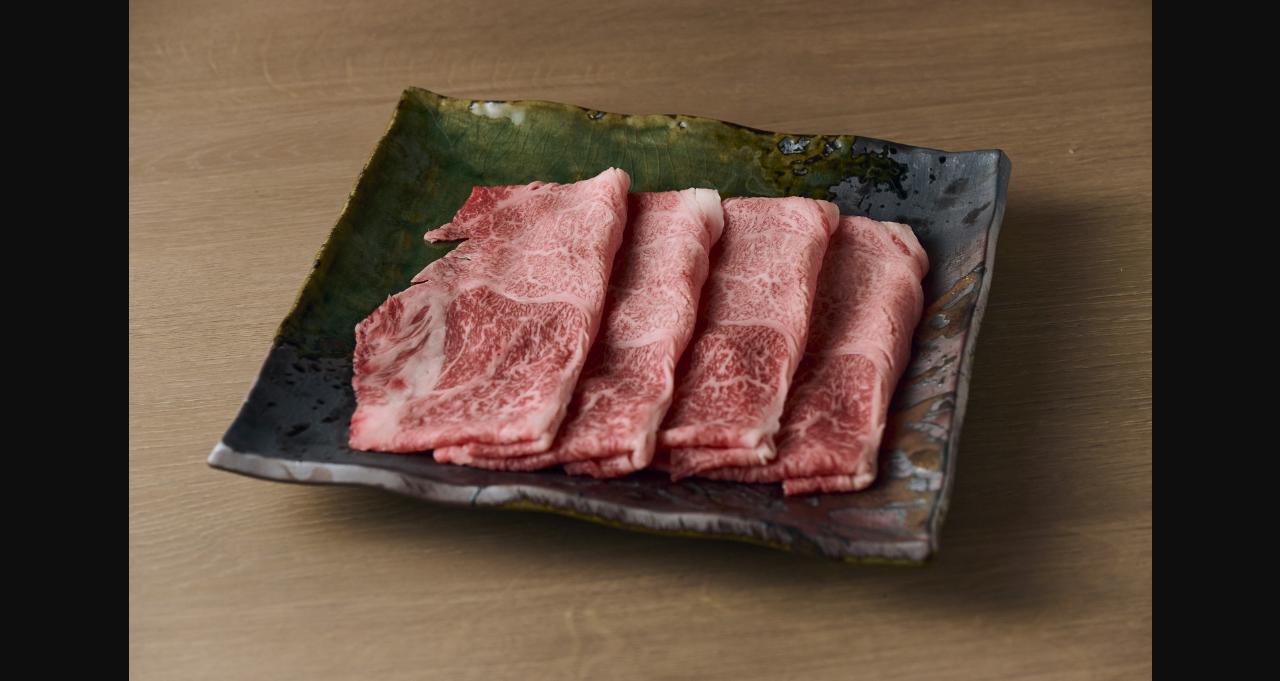
Ask five wagyu lovers which Japanese region makes the best beef, and you’ll probably walk away with five different answers. That’s not them dodging the question – it’s just the honest reality of Miyazaki wagyu vs other beef. Miyazaki, Kobe, Matsusaka, and Omi all turn out genuinely excellent A5 beef, and what separates them has more to do with feed, cattle lineage, and terroir than any one region simply outclassing the rest. Once you understand what’s actually driving those differences, ordering a real wagyu dining experience in Tokyo stops feeling like a guessing game.
This guide covers what makes Miyazaki stand out, how it stacks up against Japan’s other famous wagyu brands, and how to actually make sense of a yakiniku wagyu menu once you’re sitting at the table.
What Makes Miyazaki Wagyu Stand Out
Tucked away on Japan’s southern Kyushu island, Miyazaki has quietly built itself into one of the country’s most decorated wagyu regions. Its cattle have taken top honors at Japan’s National Competitive Exhibition of Wagyu – better known as the “Wagyu Olympics” – several times, including four wins in a row at one stretch. Given that this competition only rolls around once every five years, with prefectures going head-to-head on breed improvement and meat quality, that kind of winning streak isn’t luck. It’s a track record.
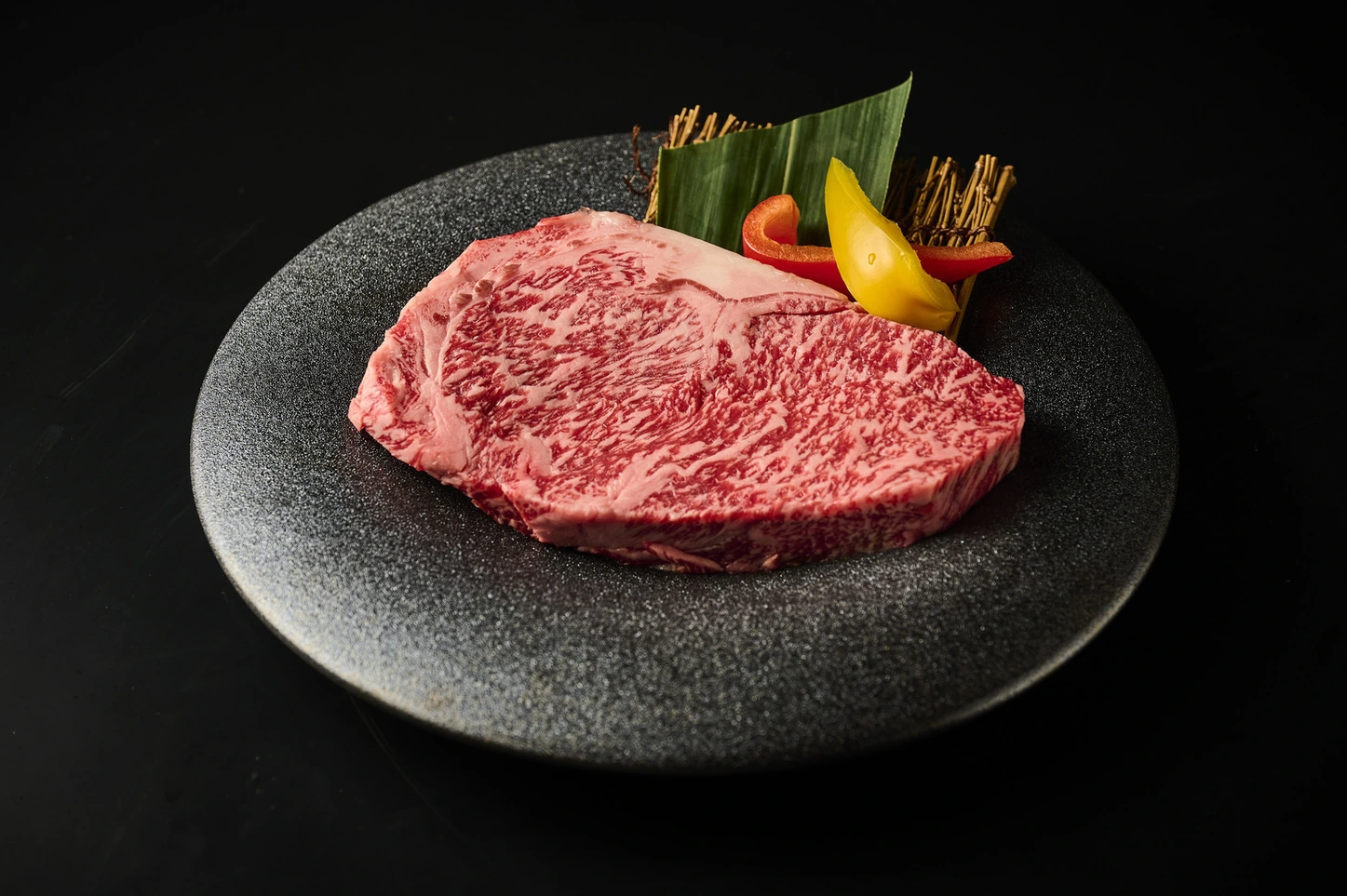
What really sets Miyazaki apart, though, isn’t the trophy case. It’s the consistency behind it. Farmers there have spent decades fine-tuning feed schedules and breeding lines to maximize the intramuscular fat responsible for A5’s famous melt-in-your-mouth quality. The payoff is beef that reliably lands at the top of Japan’s grading scale – without leaning on the scarcity marketing that inflates prices elsewhere.
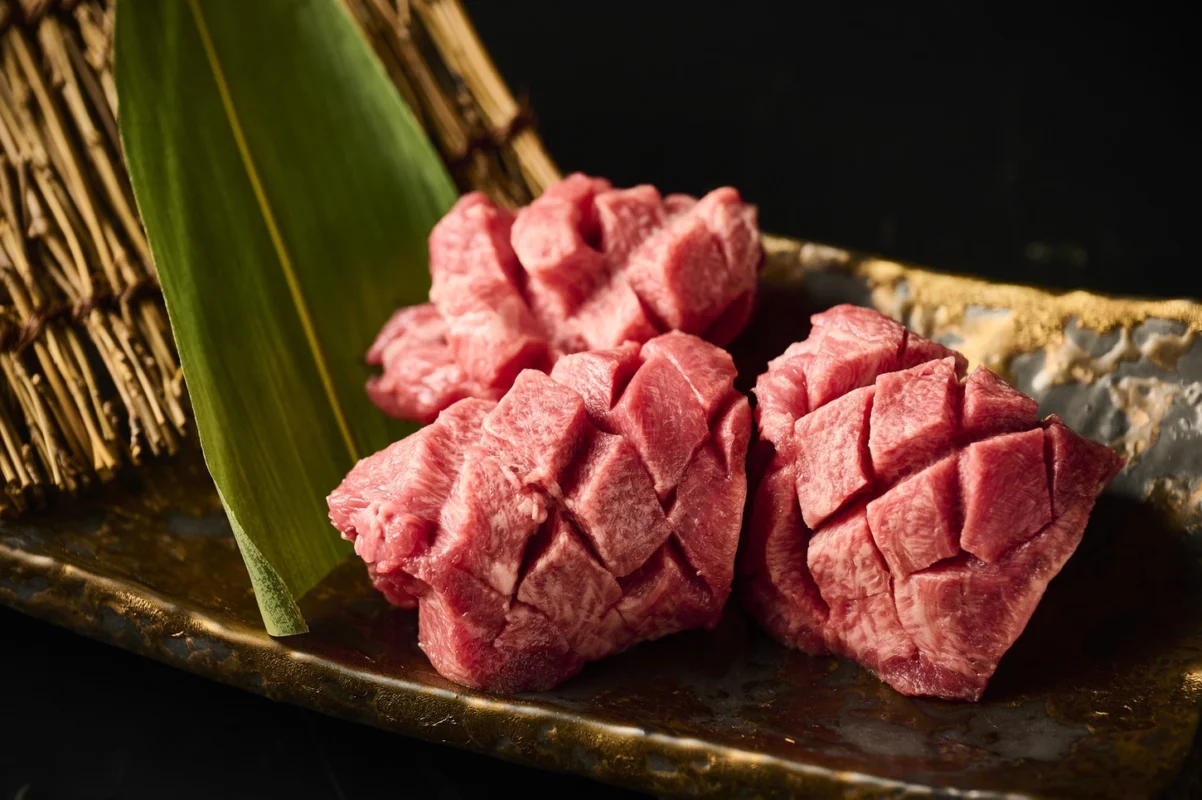
Meet the Other Big Names in Japanese Wagyu
Before pitting Miyazaki against the competition, it’s worth knowing exactly who that competition is.
- Kobe beef (Hyogo Prefecture) – arguably the most famous wagyu name outside Japan, coming from the Tajima strain of Japanese Black cattle raised under tight regional rules. The fame is deserved, but so is the scarcity – most “Kobe beef” sold abroad isn’t the real thing, since exports are strictly limited.
- Matsusaka beef (Mie Prefecture) – often nicknamed the “Queen of Wagyu.” Only virgin female cattle raised for over 900 days under carefully managed conditions can carry the name. The fat melts just below body temperature, which is why it’s often described as even richer than Kobe.
- Omi beef (Shiga Prefecture) – Japan’s oldest branded beef, with roughly 400 years of history behind it. The cattle are raised longer than most, which gives the meat a more elegant, balanced bite and a faintly sweet finish.
- Sendai beef (Miyagi Prefecture) – a newer name that’s gaining ground fast, prized for rich, dependable flavor that keeps improving year after year.
Together with Miyazaki, these are the regions behind most of what you’ll see labeled as premium Japanese wagyu meal options across Tokyo.
Miyazaki vs Kobe vs Matsusaka vs Omi, Side by Side
- Fame: Kobe, hands down. It’s the name most travelers already know before they’ve even landed in Japan.
- Competition record: Miyazaki takes this one, with repeat national wins at the Wagyu Olympics.
- Texture: Matsusaka is often called the softest and richest of the four, a result of its long-raised virgin cattle.
- History: Omi wins here, with a lineage stretching back roughly four centuries.
- Availability outside its home region: Miyazaki travels well, showing up on menus across Japan more consistently than some of the smaller regional brands.
- Price relative to quality: Miyazaki and Matsusaka tend to offer excellent quality without quite the scarcity premium that Kobe commands.
No single region sweeps every category – and honestly, that’s the real answer here. Each one built its reputation on something different: Kobe on fame, Matsusaka on texture, Omi on history, Miyazaki on consistent, competition-proven quality.
Does the Region Actually Change the Taste?
Here’s something worth knowing before you overthink your order: in blind tastings, even experienced tasters often can’t reliably pick top-grade Kobe out from top-grade Miyazaki or Matsusaka. At the A5 level, the grading system – marbling, color, firmness, fat quality – does most of the work on taste and texture. The regional name mostly tells you where the cattle grew up, not that you’re guaranteed a taste difference you’d notice bite for bite.
That’s not to say region doesn’t matter at all. Feed, climate, and raising practices do shift the flavor at the margins – Matsusaka’s noted sweetness, Omi’s lingering finish, Miyazaki’s clean, well-rounded richness. But a good chunk of the price gap between these brands comes down to scarcity and name recognition rather than any dramatic difference in eating quality. Kobe beef commands a real premium over equally-graded non-Kobe wagyu largely because so little of it actually gets produced and exported in the first place.
Reading a Wagyu Menu Like You Know What You’re Doing
Once you’re seated at a proper Japanese yakiniku restaurant, the menu becomes the real test. A Japanese yakiniku menu usually breaks down into a few clear sections – raw cuts by grade, fixed courses, and sides – and a handful of terms keep showing up once you know to look for them.
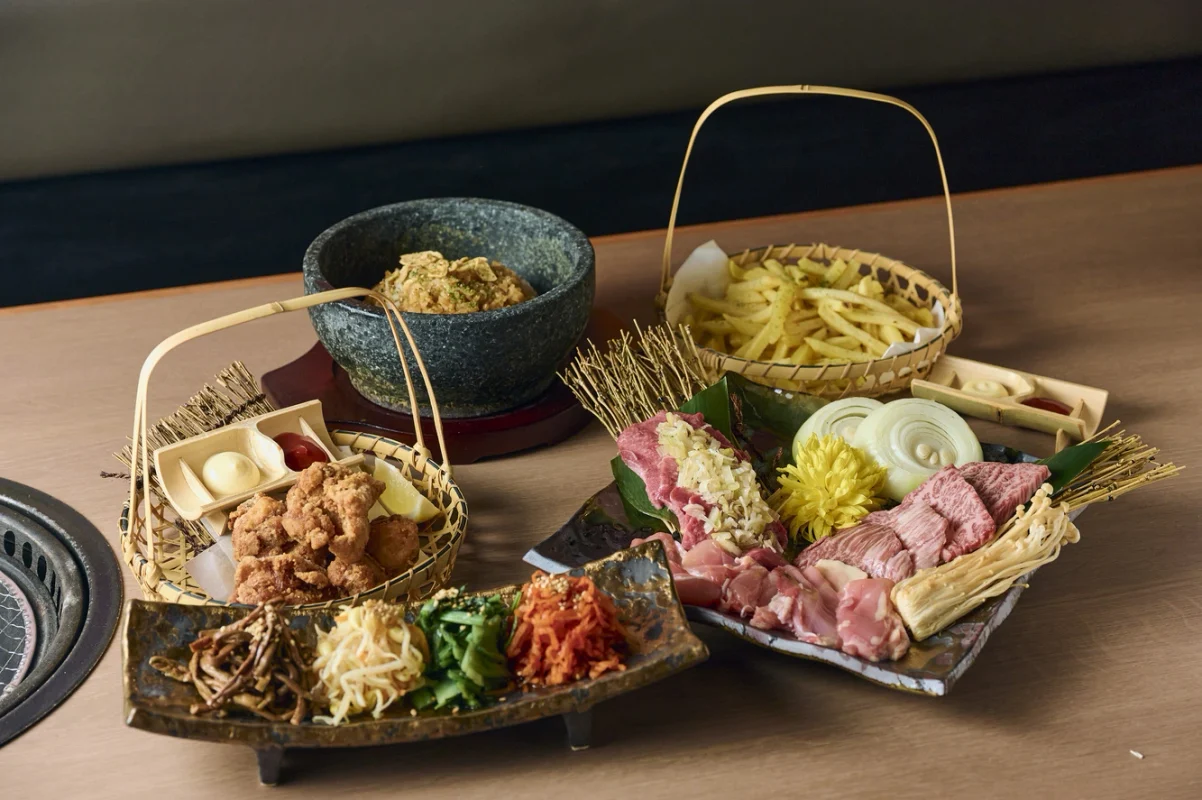
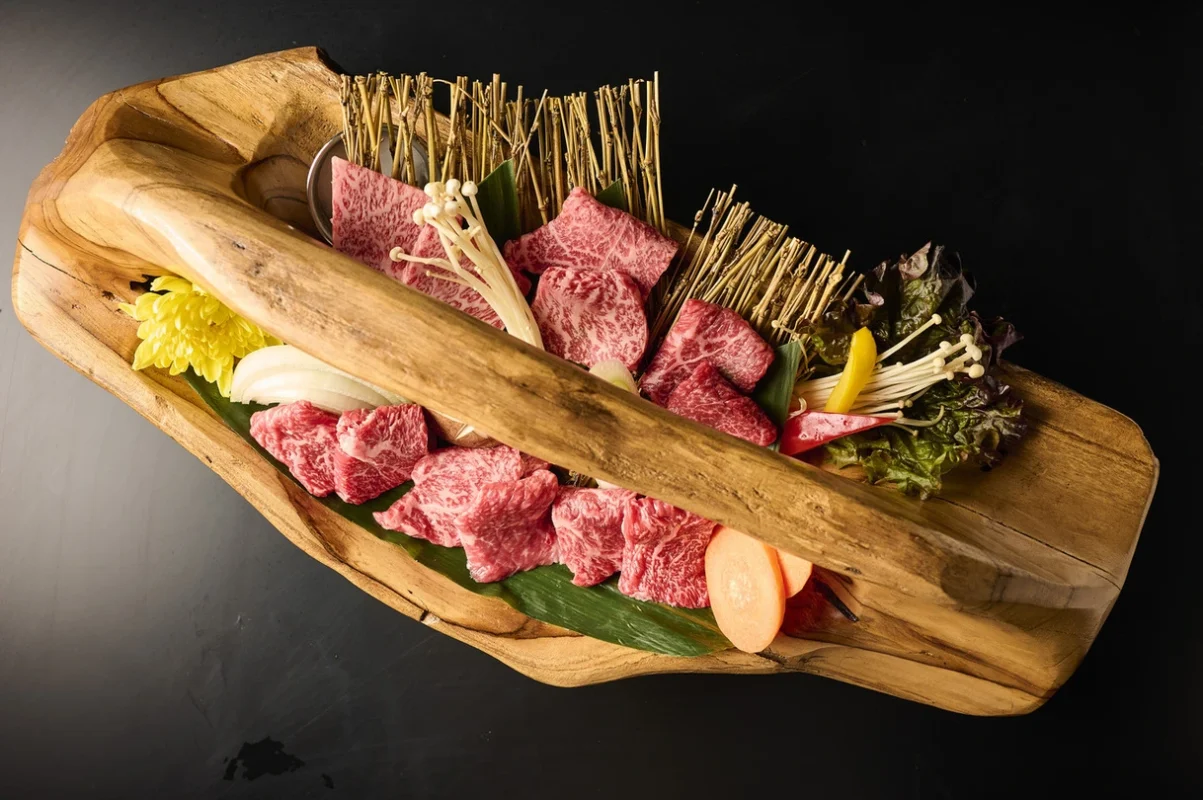
- Wagyu platter or wagyu beef platter – typically a mixed selection of cuts, letting you sample several parts of the animal in one sitting. It’s often the smartest starting point if you’re new to yakiniku wagyu beef.
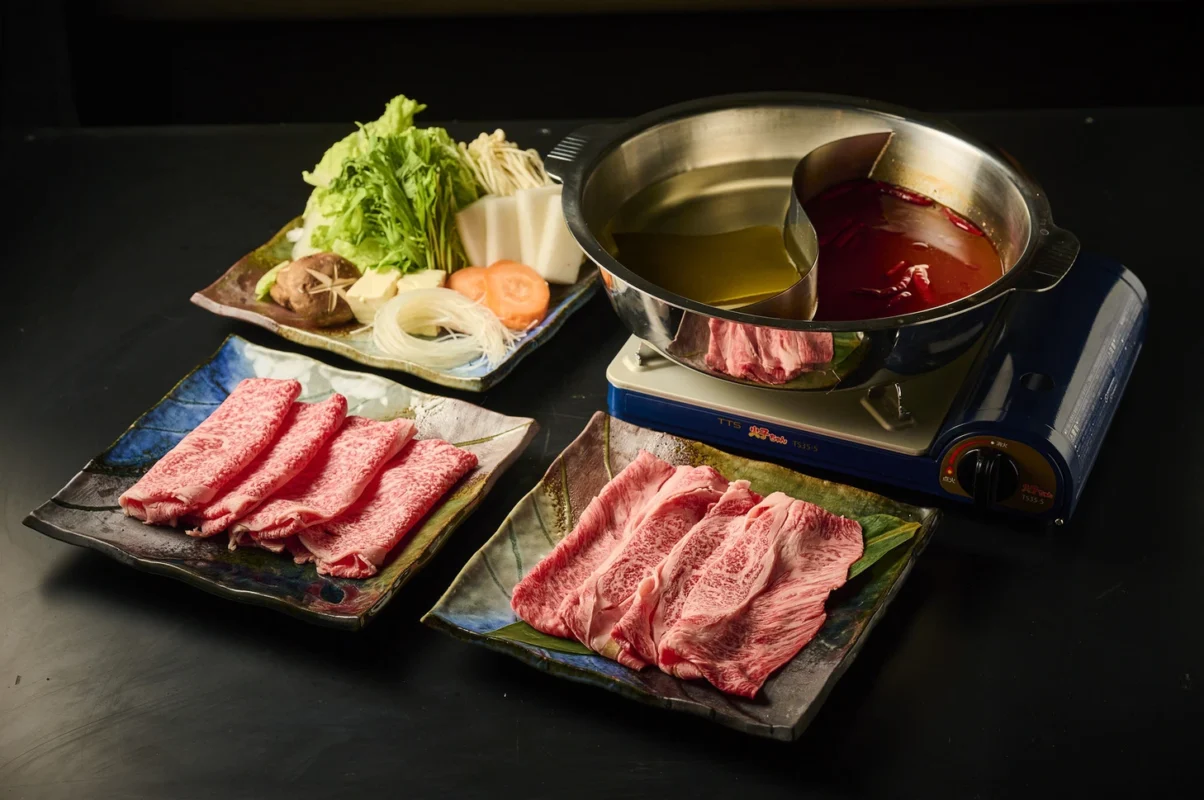
- Yakiniku set – a fixed course that bundles several cuts with sides and sometimes soup or dessert, usually better value than ordering piece by piece.
- Premium yakiniku or yakiniku premium – menu language flagging the highest-grade cuts on offer, typically A5. Don’t just assume “premium” means A5, though – ask for the grade directly if it isn’t printed.
- Wagyu menu or wagyu beef menu – the section dedicated specifically to wagyu, separate from sides, rice dishes, or anything non-beef.
And if you’ve ever typed “ya ki ni ku” into a search bar because you weren’t quite sure how to spell it – you’re far from alone. It’s one of the most common phonetic searches out there, and it points to exactly the same thing: yakiniku beef cooked tableside over an open grill.
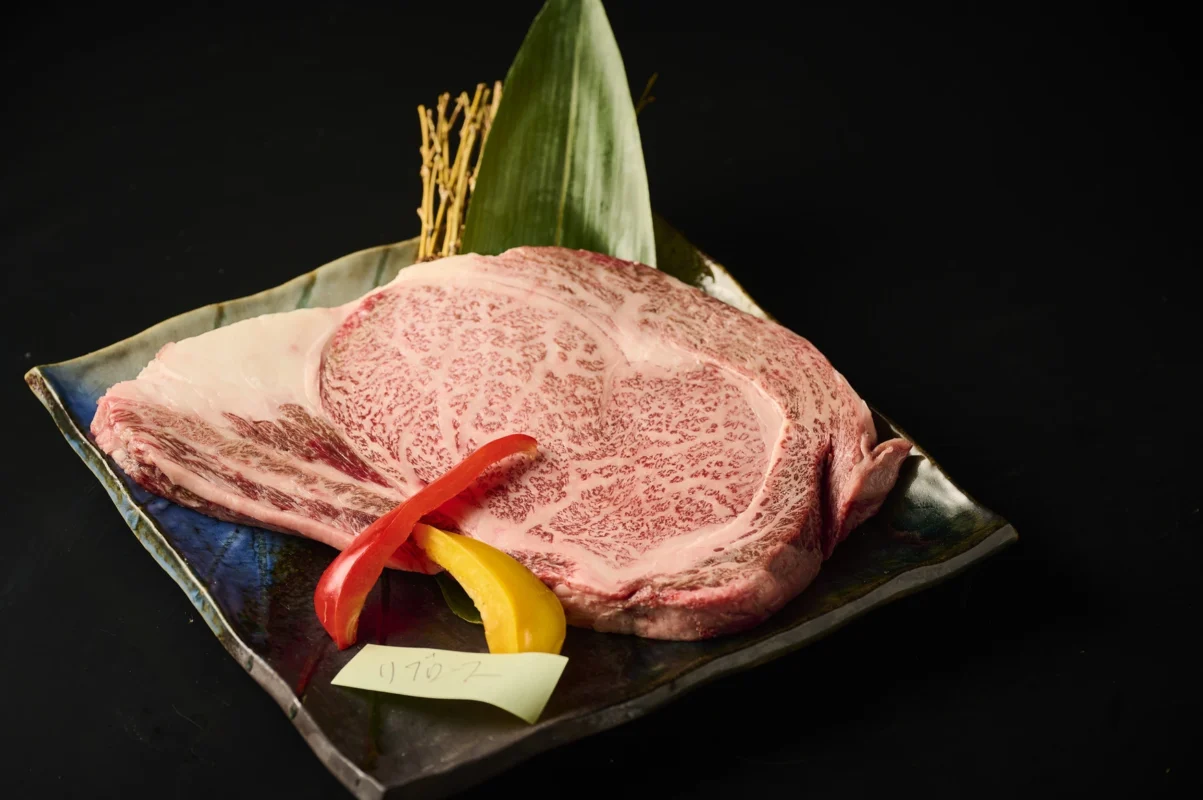
Planning Your Wagyu Dining Experience in Tokyo
A lot of what shows up online under “wagyu experience” or “the wagyu experience” turns out to be a ticketed tour package sold through travel platforms, not an actual restaurant. Those can work fine as a curated, guided introduction, but they’re far from the only way to enjoy real A5 beef in the city. Booking directly with a dedicated wagyu yakiniku restaurant usually gives you more say over which region’s beef you’re eating, along with a more relaxed pace than a scheduled group tour.
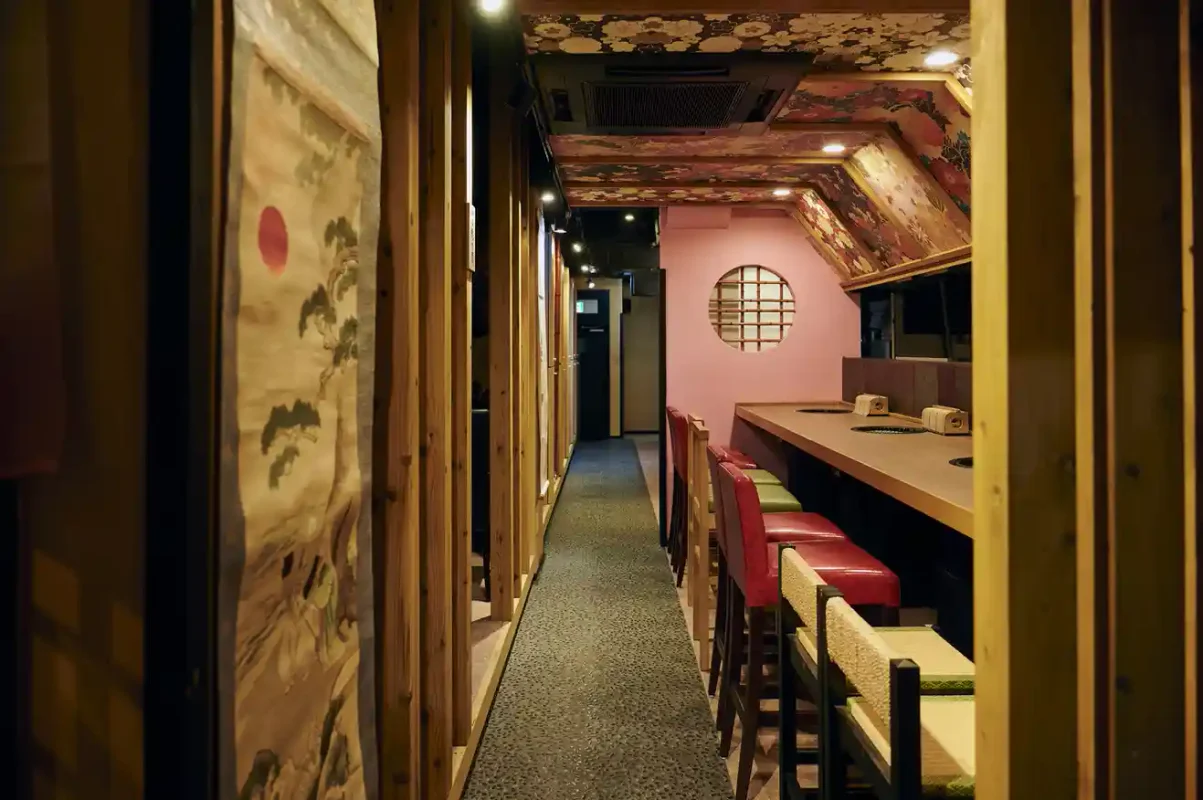
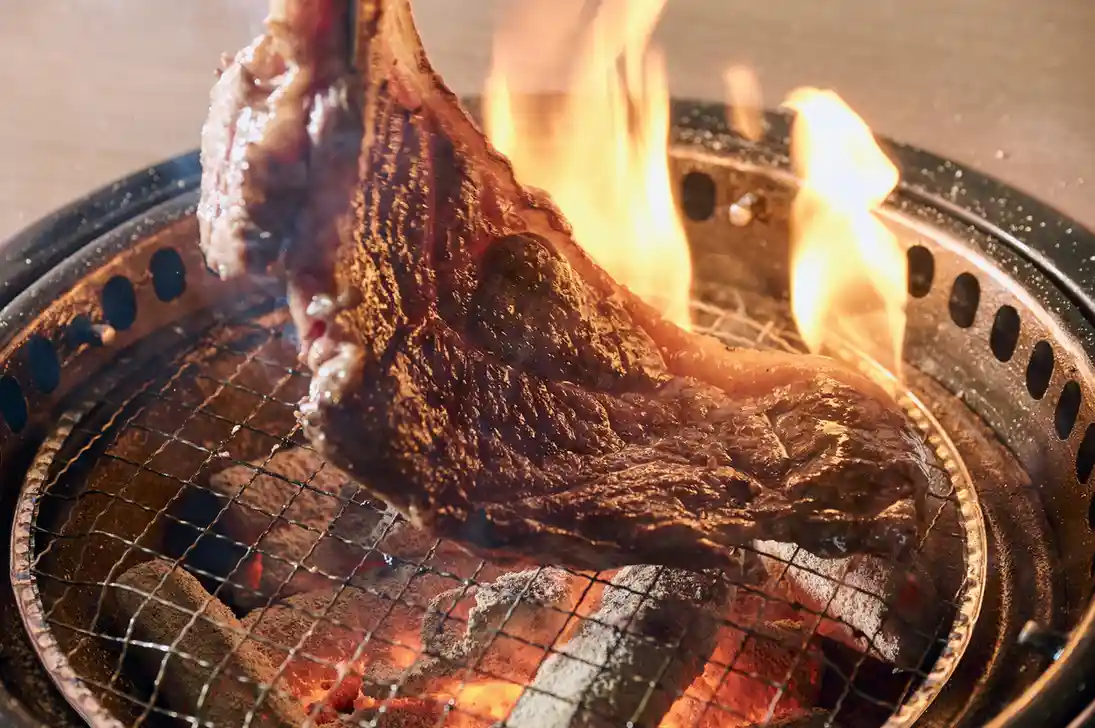
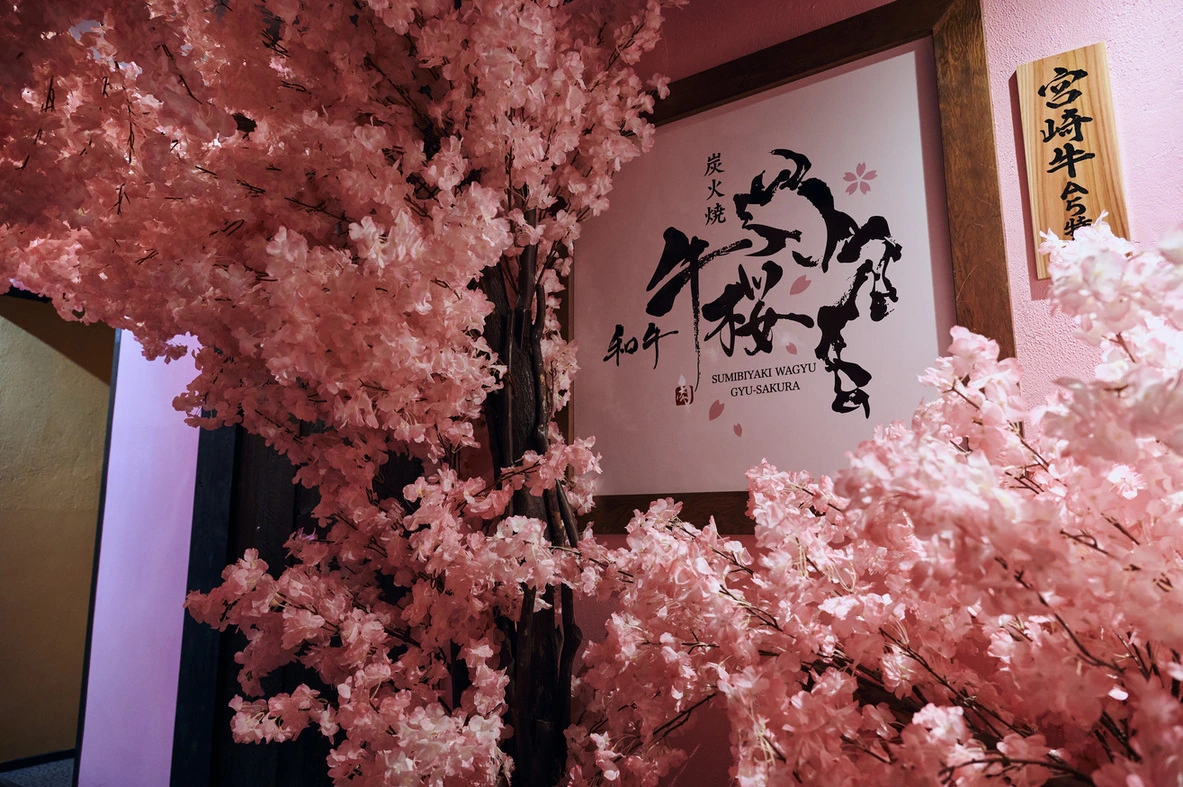
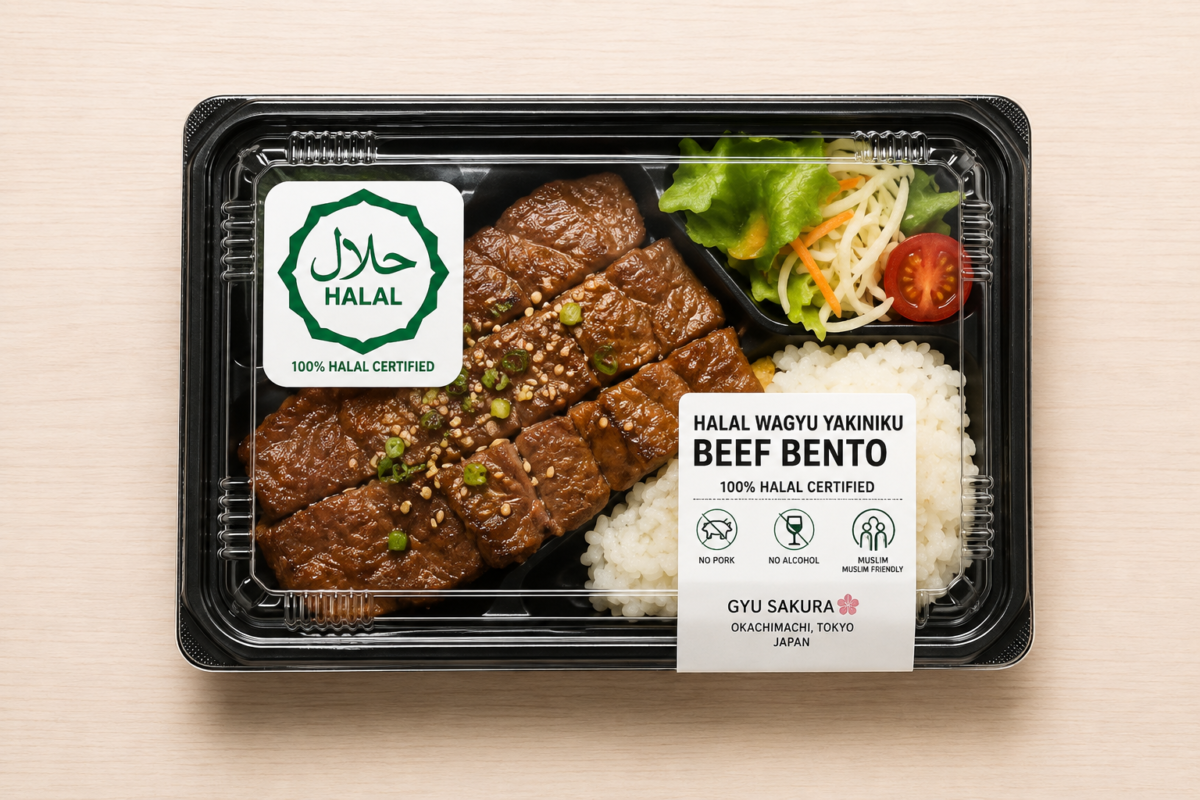
At Gyu Sakura, the focus stays narrow and deliberate: 100% certified Miyazaki Black Wagyu A5, grilled sumibiyaki-style over charcoal. Rather than mixing regions across the menu, every dish traces back to the same competition-proven Miyazaki lineage covered earlier in this guide. It’s also fully halal certified with an on-site prayer room – a detail that matters for travelers who need that certainty alongside a genuine Japanese wagyu meal. The restaurant sits four minutes from Okachimachi Station and eight minutes from Ueno Station, open daily.
Quick Answers to Common Questions
Is Miyazaki wagyu better than Kobe beef?
Not definitively. Miyazaki has the stronger recent competition record; Kobe has the stronger brand name. At the same A5 grade, most tasters find them remarkably close.
Why is Kobe beef so much more expensive than Miyazaki?
Mostly scarcity and name recognition. Kobe production and export are tightly controlled, and that drives the price up more than any real quality gap does.
What’s the difference between wagyu and Kobe beef?
Kobe is one specific regional brand of wagyu, produced under strict rules in Hyogo Prefecture. Wagyu is the broader term for all Japanese cattle breeds, Miyazaki, Matsusaka, and Omi included.
Should I order from one region or try a mixed platter?
First time around, a mixed wagyu platter is a great way to compare textures in one sitting. If you already know you love a particular region’s beef, going with a full course from that region gives you a more focused experience.
Does a higher price always mean better beef?
Not necessarily. A higher price often reflects scarcity, transport costs, or brand reputation as much as it reflects eating quality. Two A5 cuts from different regions, priced very differently, can taste remarkably close on the plate. The grade tells you more about what you’re actually eating than the price tag ever will.
The Bottom Line on Miyazaki Wagyu vs Other Beef
There’s no single “best” region in Japanese wagyu – just the region that best matches what you’re looking for. Miyazaki brings competition-proven consistency and a clean, rounded richness. Kobe brings fame and rarity. Matsusaka brings unmatched softness. Omi brings four centuries of history. All four can reach A5, and at that level, what separates them is character, not quality.
If you’re after a straight forward, consistently excellent Japanese wagyu meal without having to guess whether the name on the menu actually means anything, look for a restaurant that commits to one well-documented source instead of mixing brands. That kind of focus is exactly what turns a good meal into one you actually remember.
Reference: Regional wagyu classifications and competition history referenced in this guide draw on Japan’s National Competitive Exhibition of Wagyu (Wagyu Olympics) records and established regional beef brand standards.