Blog
European Wagyu vs Japanese Wagyu: A Traveler’s Guide

You sit down at a restaurant in Madrid, Berlin, or Amsterdam. The menu lists European wagyu. A week later, you plan a trip to Tokyo, and every menu there says wagyu too. Same word. Same marbled photos. Is it the same beef?
The honest answer sits in the middle. European wagyu vs Japanese wagyu is not a fight between real and fake. It is a story about genes, grading, and how you eat. This guide explains it in plain words, so you can order with confidence on either side of the world.
Quick answer: Wagyu means “Japanese cattle.” Japanese wagyu is fullblood, graded in Japan, and eaten in small, rich portions. European wagyu beef comes from herds raised in Europe since the 2000s. Some are fullblood, and many are crossbred. European wagyu cannot carry Japan’s A5 grade. It often tastes beefier and suits a thicker steak.
European Wagyu vs Japanese Wagyu at a Glance
| Japanese wagyu | European wagyu | |
| Cattle | Fullblood Japanese breeds (Japanese Black is over 90% of the herd) | Fullblood or crossbred, depending on the farm |
| Raised in | Japan | Germany, Spain, Denmark, the Netherlands, and more |
| Grade | JMGA grades A1 to A5, marbling BMS 1 to 12 | No JMGA grade, so no A5 |
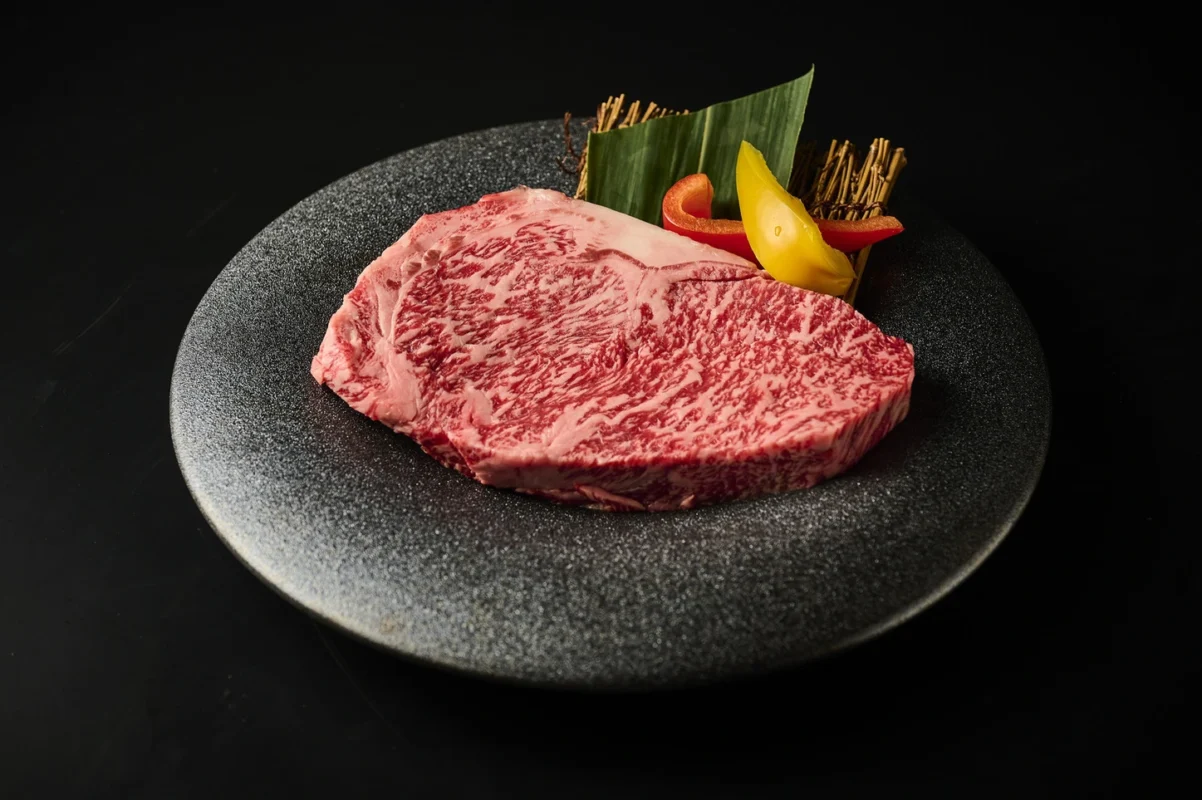
| Marbling | A5 starts at BMS 8 | Varies by farm and breed mix |
| Flavor | Delicate, buttery, rich | Often beefier |
| Typical serving | A few thin slices or a small cut | Works as a thicker steak |
| Paper trail | 10-digit cattle ID | Breed registry, varies by farm |
How Wagyu Got to Europe: A 60-Second History
Wagyu began as working cattle in Japan. After 1868, breeders crossed them with imported breeds, mostly British and continental European, according to Wikipedia. That lasted until around 1910. So European genes sit inside wagyu’s own past.
Then Japan kept the bloodlines closed. Between 1976 and 1997, roughly 220 wagyu animals left the country, mostly for the United States. In 1997, Japan named wagyu a national treasure and ended exports of live cattle and genetics, says the Texas Wagyu Association.
Europe came later. Wagyu farming there began in the 2000s. Dutch farmers, for example, used embryos from Australia. That is why wagyu outside Japan is a young story.
Fullblood, Purebred, F1: Japanese Wagyu vs Crossbred Wagyu
Outside Japan, wagyu comes in steps. The label often hides which step you are buying.
| Type | Wagyu genes | What it means |
| Fullblood | 100% | Documented wagyu ancestry, no crossing |
| Purebred | 93.75% or more | Crossed up over four generations (F4) |
| F3 | 87.5% | Mostly wagyu |
| F2 | 75% | Three parts wagyu, one part other breed |
| F1 | 50% | One wagyu parent, one other breed, often Angus |
In Japan, the game is different. Wagyu there means fullblood within the four Japanese breeds. In Japan, dairy-wagyu crosses sell as domestic beef, not as wagyu.
Europe has both kinds. A Spanish research team raised purebred wagyu steers beside wagyu-Angus crosses on one farm. The same ladder explains american wagyu vs japanese wagyu. Ask for the percentage, and a good seller will tell you.
Reading the A5 Label (and Why Europe Cannot Use It)
A5 has two parts. The letter shows yield. A, B, or C tells you how much usable meat the carcass gave. The number shows quality, from 1 to 5.
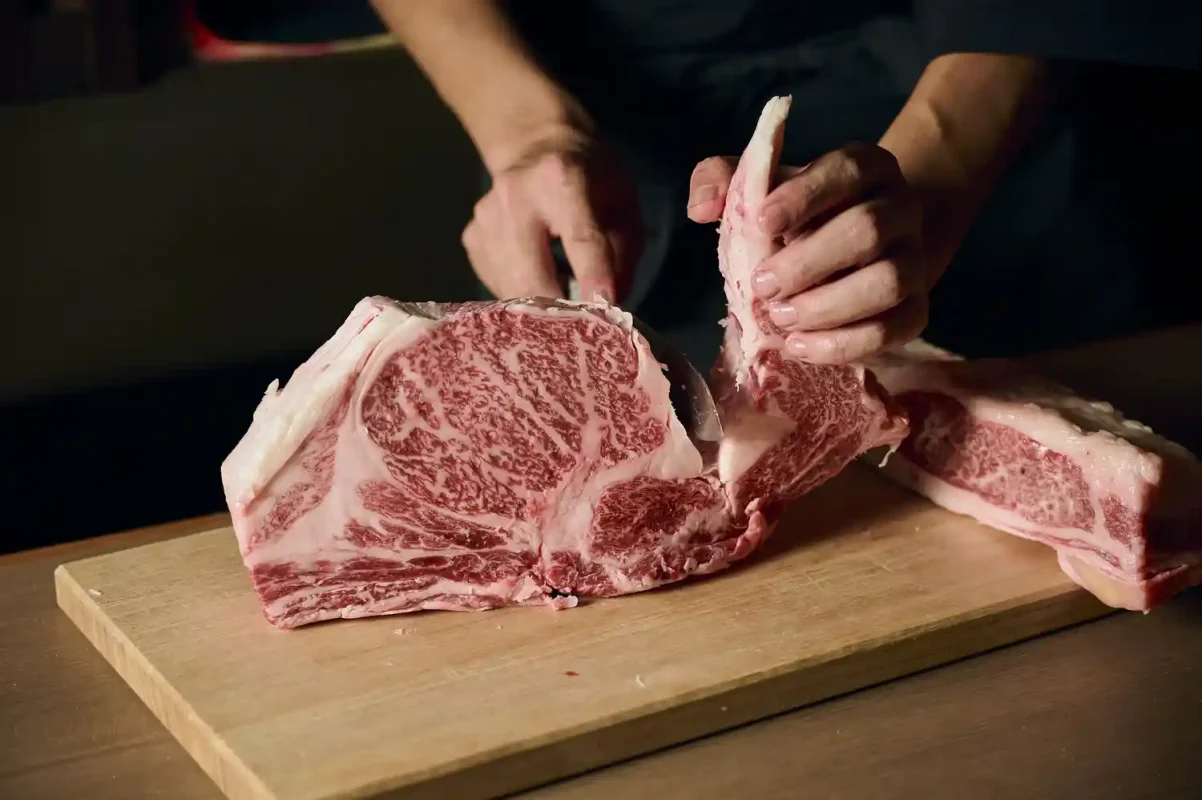
The Japan Meat Grading Association scores four things: marbling, meat color, firmness, and fat quality. The lowest score sets the final number. For a 5, marbling must reach 8 or higher on the Beef Marbling Score, which runs from 1 to 12.
A5 is a Japanese grade given by Japanese graders. European wagyu is not graded that way. If a European steak says A5, ask who graded it.
One more thing. A5 is not a taste score. BMS 8 and BMS 12 are both A5, yet they eat differently.
Taste, Texture, and Portion Size
Japanese A5 fat melts at a low heat. One Bordeaux restaurant guide puts the melting point around 25 to 30 °C, lower than European beef fat. That is why A5 feels soft and buttery.
Think of A5 as a rich dessert you eat in small bites. European wagyu is closer to a main course. Crossbred wagyu often keeps more of the beefy flavor of its other parent.
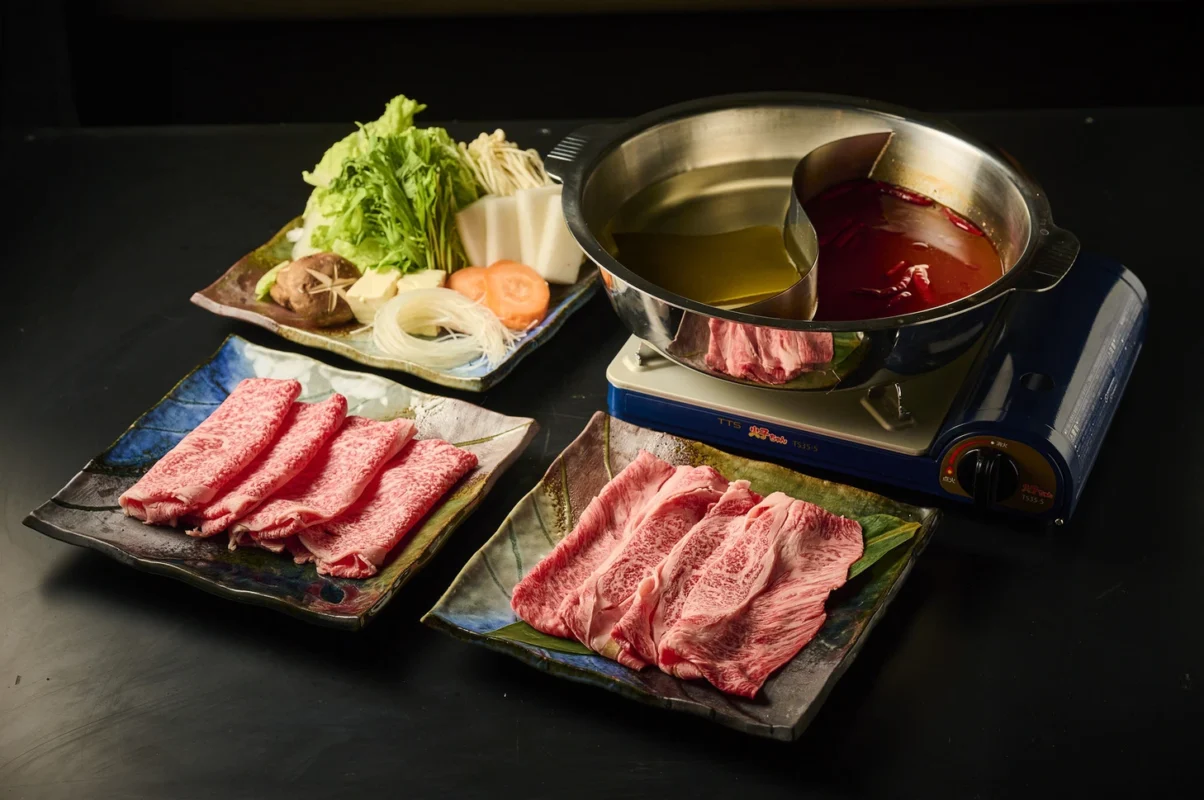
Portion size follows. Plan on about 80 to 100 grams of A5 per person, or around three ounces. In Japan, it usually arrives thin-sliced or in small pieces. A thicker European wagyu steak makes more sense for a big appetite.
Japanese A5 Wagyu vs European Wagyu Price
No single price covers European wagyu, because each farm sets its own. One European online retailer gives no verified Europe-wide range. The same retailer listed Miyazaki A5 sirloin near €199 per kilo on promotion and Kobe A5 ribeye at €810 per kilo in September 2026. A 90 gram portion of that sirloin is about €18 of raw meat, before shipping and cooking.
In Tokyo, you pay for the meal, not just the meat. At Gyu Sakura, courses cost ¥10,000, ¥11,500, or ¥14,000 per person. Single cuts run ¥2,300 to ¥3,500. Tabelog guests report an average spend of ¥6,000 to ¥7,999.
Nearby prices vary. One halal-certified A5 grill lists a nine-course special at ¥17,600. A casual wagyu grill lists courses from about ¥5,000, with different cuts. Our Tokyo wagyu price guide goes deeper.
Which One Should You Choose? A Traveler’s Decision Guide
| Your situation | A good pick | Why |
| Steak night at home in Europe | European wagyu, thick cut | Works as a full steak, and you can check the farm |
| One trip to Japan | Japanese A5 in small portions | Closest to the original, at the source |
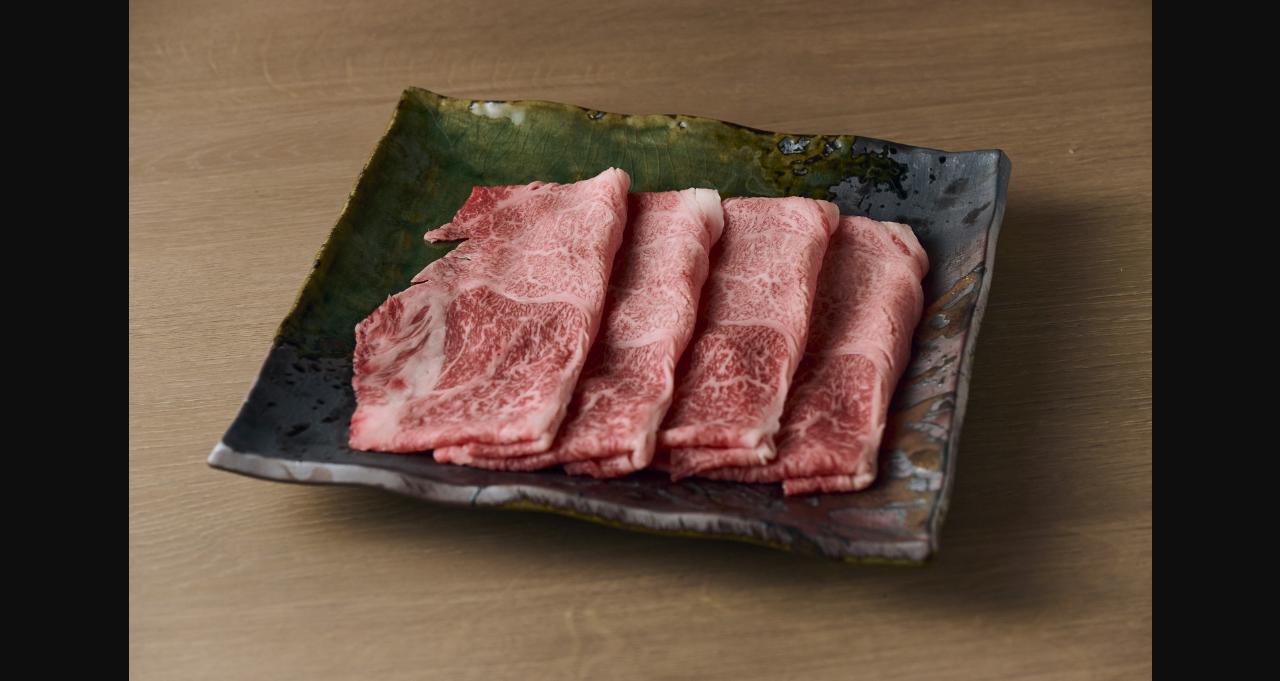
| Want to learn the difference | A platter of several cuts | You compare marbling side by side |
| Halal traveler | A halal-certified restaurant | Ask about ingredients and prayer space |
| Tighter budget | A4 or a casual grill | A well-cooked A4 can beat a heavy A5 portion |
How to Spot Authentic Japanese Wagyu
- Ask for the grade and the BMS number. Look for A4 or A5, not just “wagyu.”
- Look for a prefecture or brand. Miyazaki beef is Japanese Black cattle from Miyazaki, graded 4 or higher. It has won Japan’s top wagyu contest four times, says the Miyazaki Wagyu Council.
- Ask for the 10-digit cattle ID. Check it in Japan’s NLBC cattle database.
- Be wary of “wagyu-style” or “comparable to A5.” Those words describe a look, not a pedigree.
- Treat a bargain A5 as a question, not proof. Check the cut, weight, and origin first.
Our A5 wagyu vs normal beef guide and Japanese branded beef guide help with the names.

Try Japanese A5 in Tokyo: Gyu Sakura
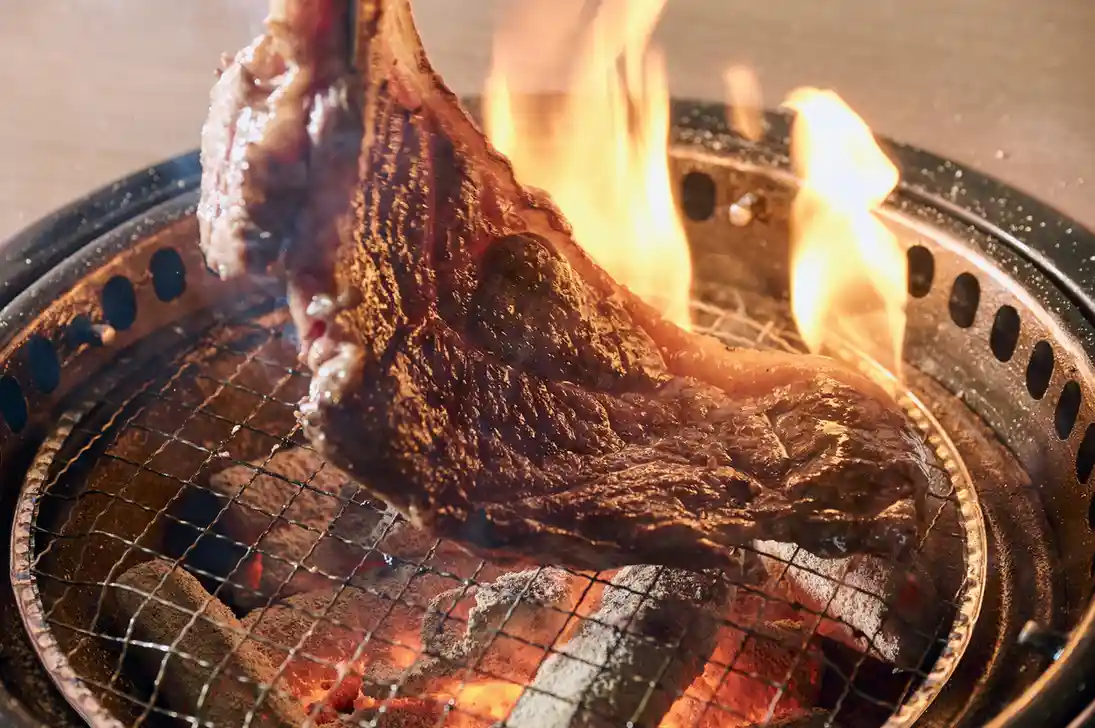
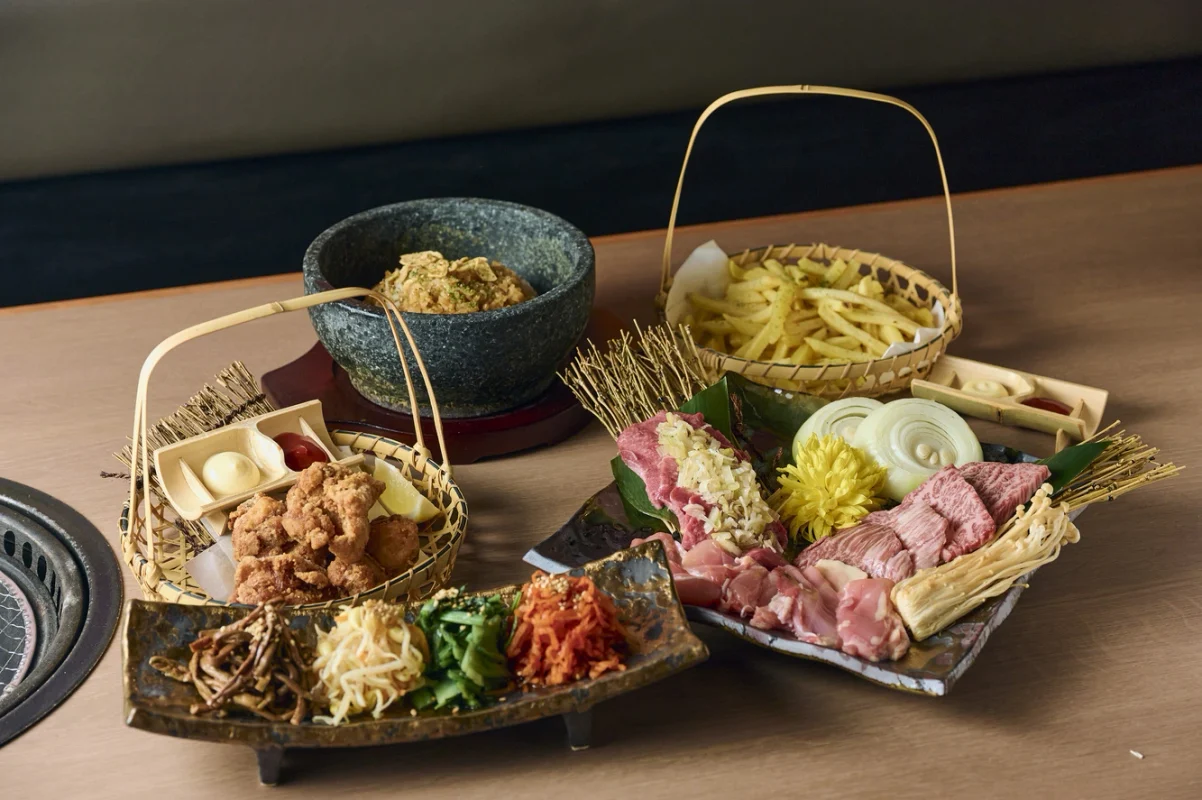
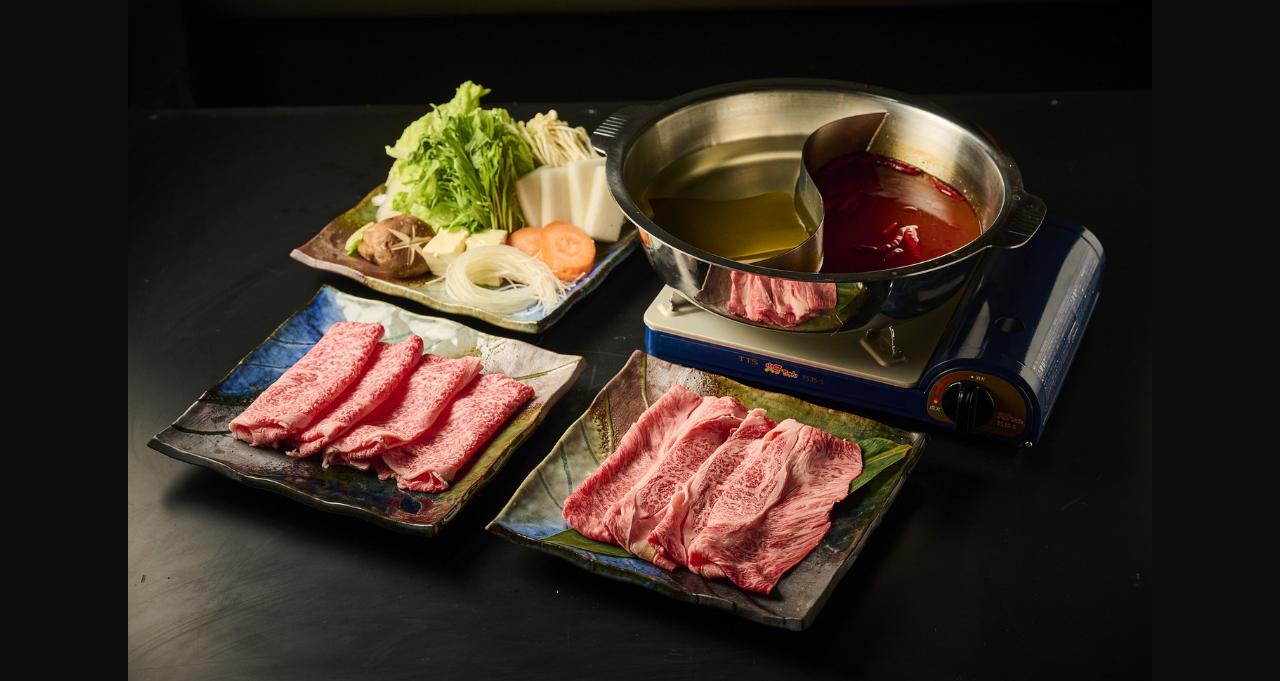
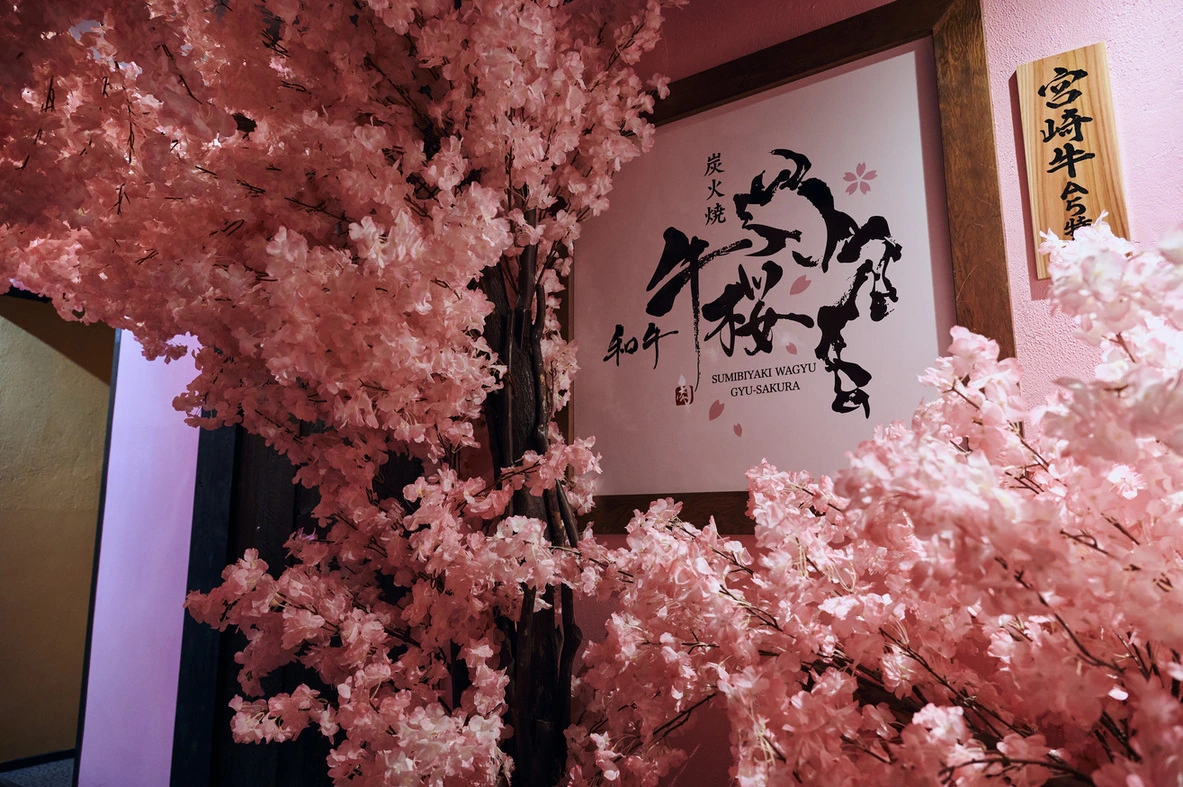
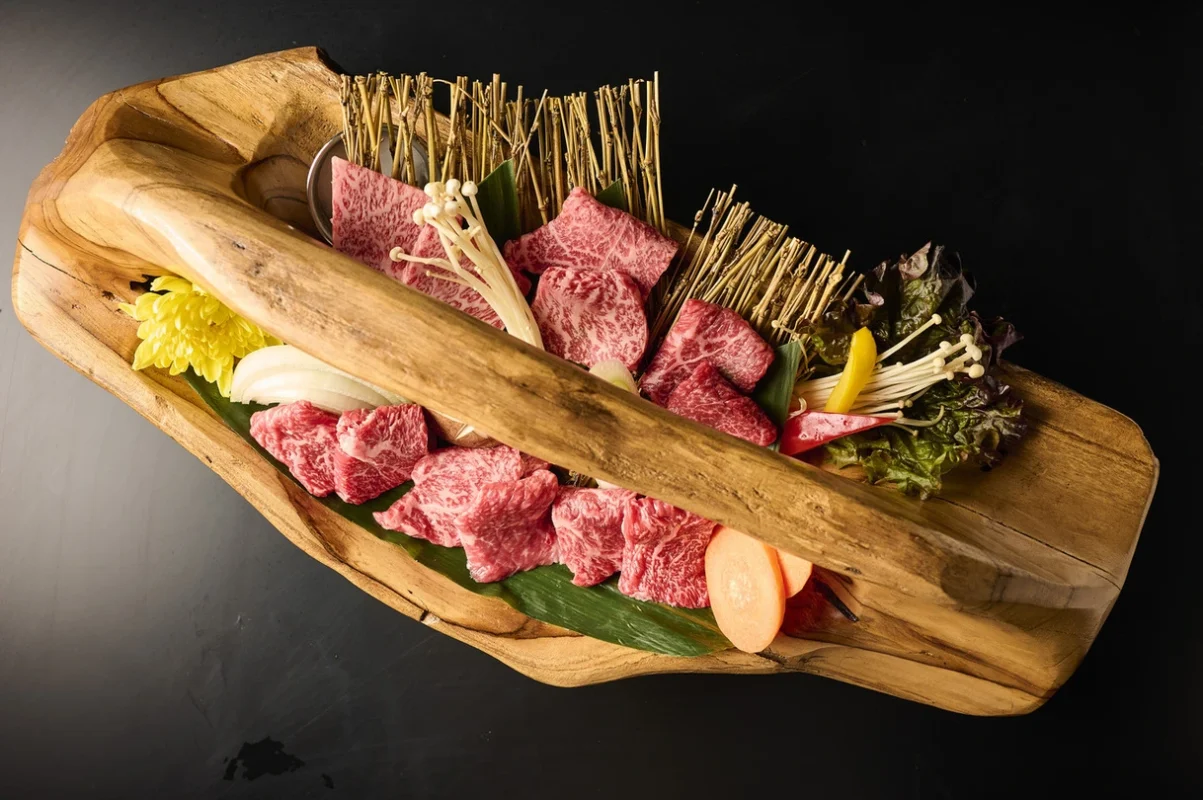
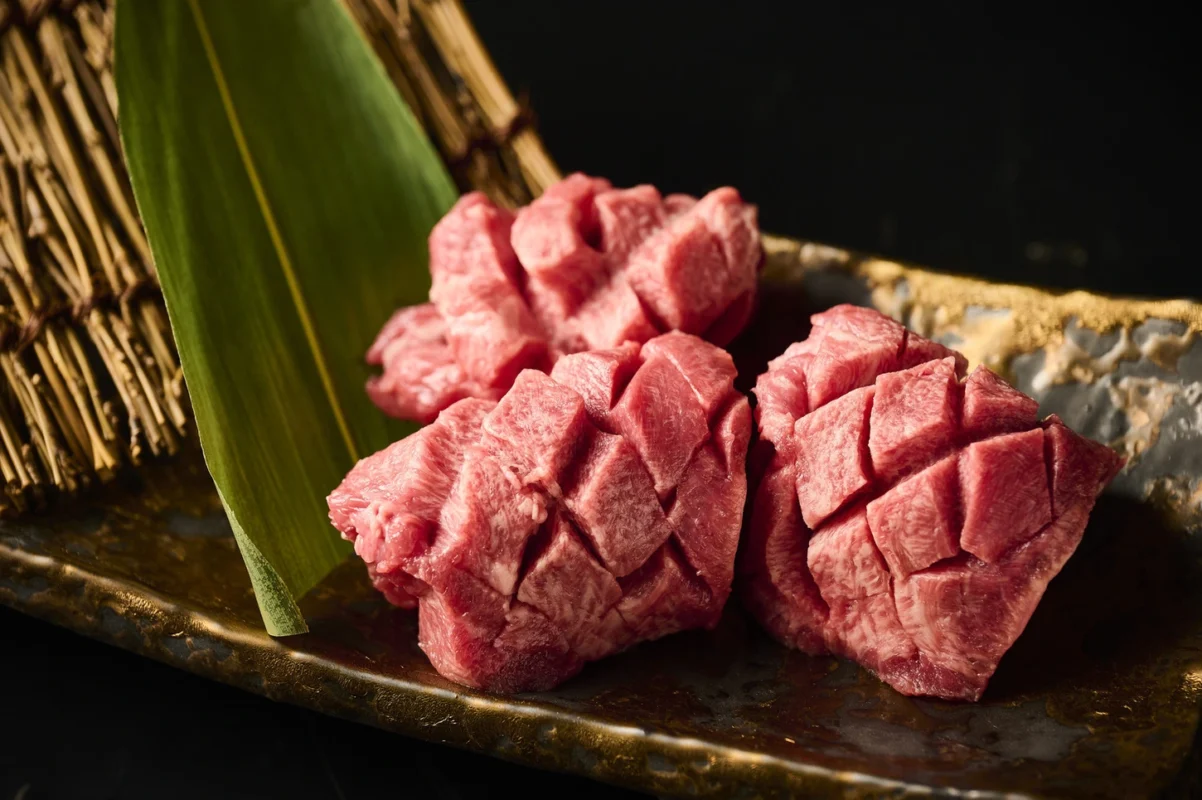
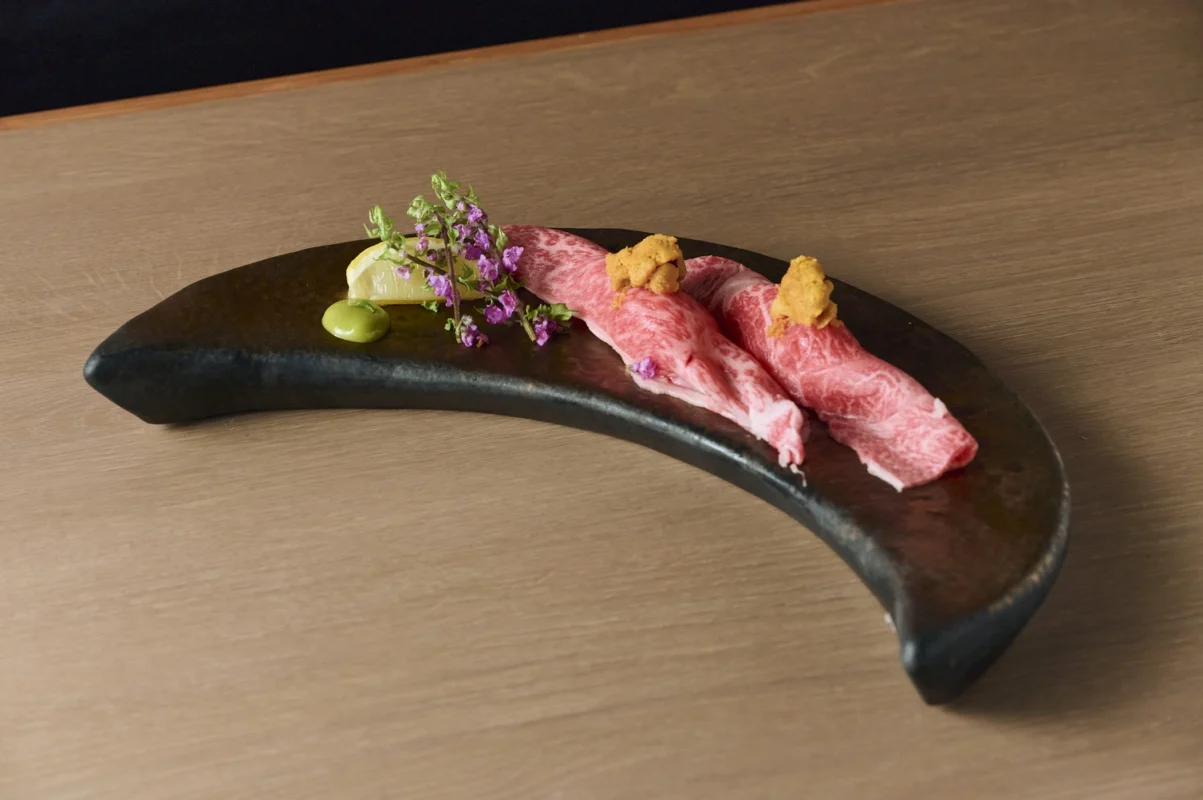
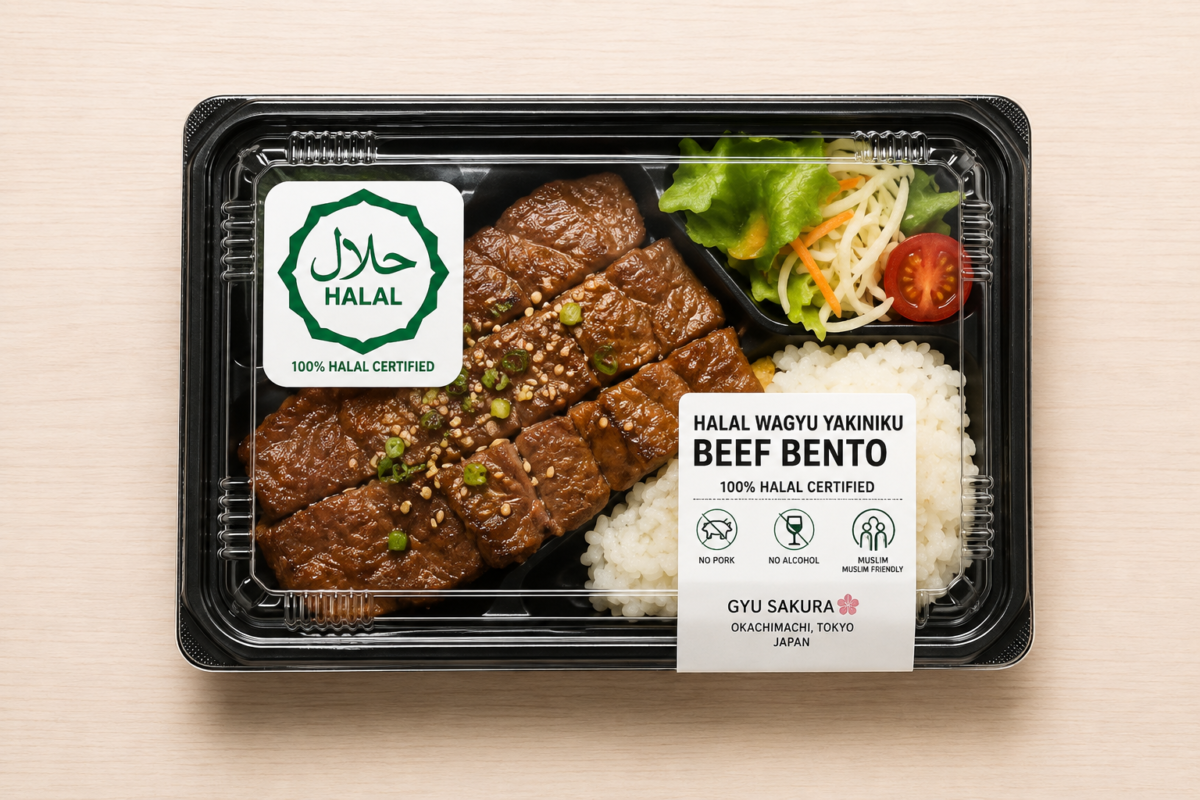
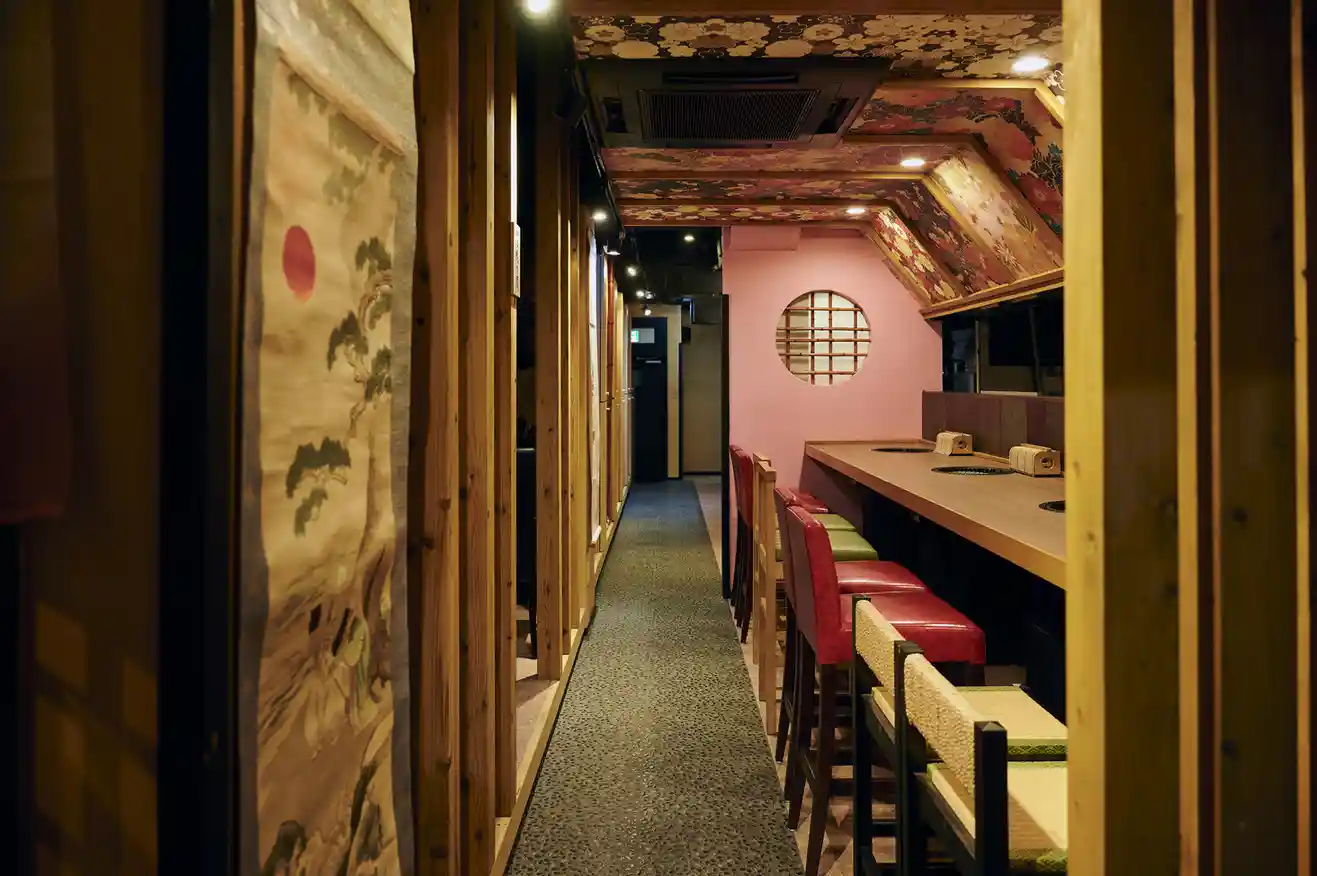
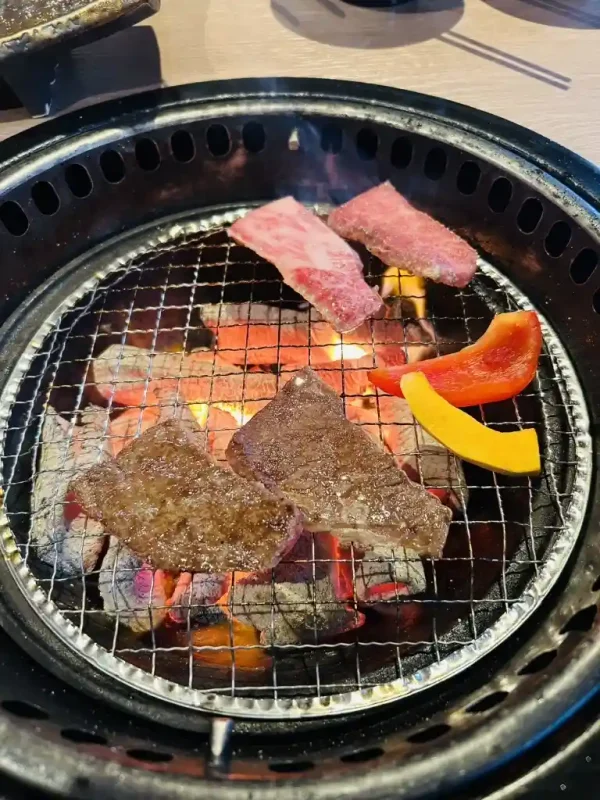
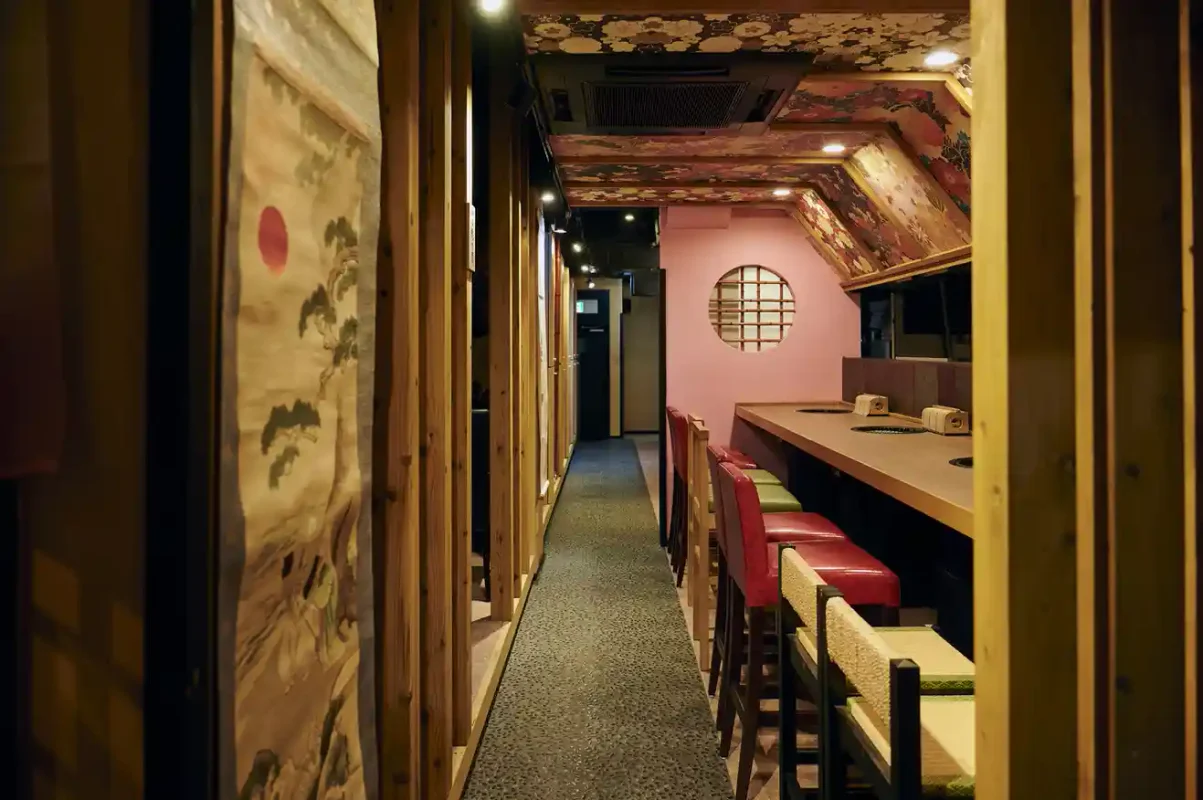
Gyu Sakura (牛桜) is a halal wagyu yakiniku restaurant in Yushima, between Okachimachi and Ueno. We grill A5 Miyazaki beef over charcoal at your table. Our dishes use halal-certified ingredients, and the drink menu has no alcohol. You may bring your own alcohol, free at lunch and dinner. Staff speak English, the menu has photos, and a prayer room is available.
We open daily from 11:00 to 23:30, with last order at 23:00. Looking for a halal restaurant near Ueno Station? You will find us here.
Address: Raiwa Building 6F, 3-39-11 Yushima, Bunkyo City, Tokyo 113-0034
〒113-0034 東京都文京区湯島3丁目39−11 ライワビル 6F
Getting here:
- Okachimachi Station (JR Yamanote Line): 4 minutes on foot. Use the north entrance. Pass the Hanakagura Panda-yaki shop, then PARCO_ya, UNIQLO, and Matsuzakaya. Look for the banners and take the elevator to 6F.
- Ueno Station: about 8 minutes on foot.
- Ueno-Hirokoji Station (Ginza Line): about 3 minutes, per Tabelog.
- Hotels: Sotetsu Fresa Inn Ueno Okachimachi, Mimaru Tokyo Ueno Okachimachi, and Tosei Hotel Cocone Ueno Okachimachi all sit in the same area.
New to grilling? Our how to eat yakiniku guide helps, and our prayer room restaurants guide covers prayer stops across Tokyo.
Frequently Asked Questions
Is European wagyu real wagyu?
It can be. European wagyu comes from cattle with real wagyu genes, either fullblood or crossbred. It is not Japanese wagyu, which is raised and graded in Japan. A good seller states the wagyu percentage and the farm. If a menu only says wagyu, ask.
How did wagyu get to Europe?
Japan exported roughly 220 wagyu animals between 1976 and 1997, mostly to the United States. Then it ended exports of live cattle and genetics. Wagyu farming in Europe began in the 2000s. Dutch farmers, for example, used embryos from Australia.
What do fullblood, purebred, and F1 wagyu mean?
Fullblood means 100 percent documented wagyu ancestry. Purebred means 93.75 percent or more. F1 means one wagyu parent and one other breed, so 50 percent wagyu. F2 is 75 percent, and F3 is 87.5 percent. A higher wagyu share tends to bring more marbling.
Can European wagyu be graded A5?
No. A5 is a Japanese grade given by the Japan Meat Grading Association. European farms use other systems or their own claims. A European steak labeled A5 deserves a question about who graded it. Ask to see the grading certificate.
Does European wagyu taste like Japanese wagyu?
Not exactly. Japanese A5 tastes soft, buttery, and rich. European wagyu often keeps more of the beefy flavor of its other parent. Farm, breed mix, feed, and cut all change the result. So taste varies a lot from one producer to the next.
Is Japanese wagyu better than European wagyu?
It depends on what you want. Japanese A5 gives the richest, most delicate bite in small portions. European wagyu suits a larger steak and a different budget. A careful farm can beat a careless one anywhere. Choose by portion, flavor, and paper trail, not by name alone.
Why is Japanese wagyu so expensive?
Supply is small, and grading is strict. Retailer guides say cattle are fed for over two years in many programs. Only some animals reach A5. Live cattle exports ended in 1997. Add import costs abroad, and the price climbs.
How much does European wagyu cost compared with A5?
No single price covers European wagyu, because each farm sets its own. One European retailer lists no verified Europe-wide range. The same retailer listed Miyazaki A5 sirloin near €199 per kilo on promotion and Kobe A5 ribeye at €810 per kilo in September 2026. Compare farms one by one.
How can I tell if wagyu is authentic Japanese wagyu?
Look for a grade like A4 or A5 with a BMS score, plus a named prefecture or brand. Ask for the 10-digit cattle ID and check it in Japan’s NLBC database. Be careful with phrases like wagyu-style or comparable to A5. A grade claim needs paperwork.
Are all A5 steaks the same?
No. A5 covers BMS 8 to 12, so two A5 steaks can differ a lot. The lowest of four quality scores sets the final number. A5 also shows grade, not taste. Some people prefer a well-cooked A4 in a sensible portion.
How much A5 wagyu should I eat?
Plan on about 80 to 100 grams per person, or around three ounces. A5 is very rich, so the palate tires fast. In Japan, it usually comes thin-sliced or in small pieces. Share a platter first, then add more cuts if you want.
Is Japanese wagyu halal?
Wagyu is a breed, so it can be halal or not. Halal depends on how the animal is slaughtered and handled, and on the ingredients used. Gyu Sakura serves A5 Miyazaki beef, and our dishes use halal-certified ingredients. Ask any restaurant about its halal details before you book.
Where can I try halal Japanese A5 wagyu in Tokyo?
Gyu Sakura is a halal wagyu yakiniku restaurant in Yushima, 4 minutes from Okachimachi Station. We grill A5 Miyazaki beef over charcoal. Courses cost ¥10,000, ¥11,500, or ¥14,000 per person. Staff speak English, and a prayer room is available. Reserve online before you come.
The Bottom Line
The european wagyu vs japanese wagyu question comes down to three things: paperwork, portion, and taste. European wagyu is a young, varied category with real wagyu genes. Japanese wagyu is the original, graded by Japanese graders and best in small, rich bites. Ask a few questions, and you will enjoy either one for what it is.
Want to taste the original at its source?
Reserve your table: https://reservation.wagyusakura.com/
Call us: 03-5826-4170
Visit: Raiwa Building 6F, 3-39-11 Yushima, Bunkyo City, Tokyo 113-0034