
Blog
Yakiniku vs Sukiyaki vs Shabu-Shabu: Which Wagyu Style Should You Try First?

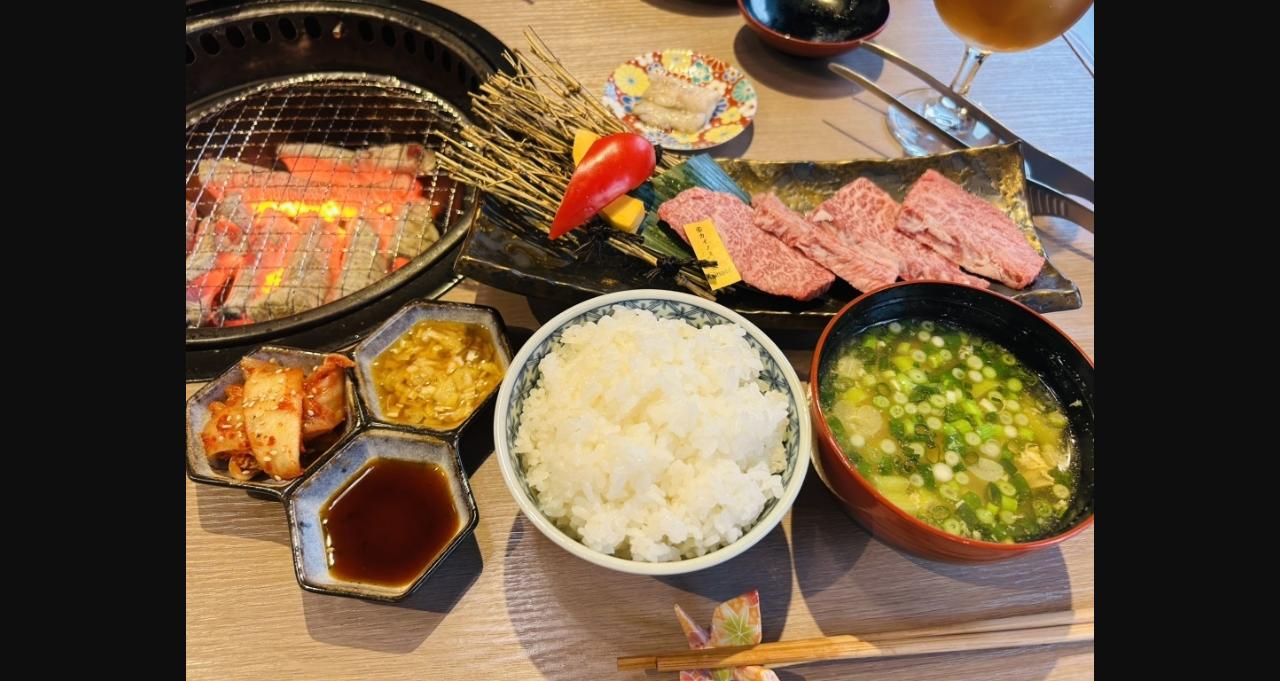
You’ve decided you want real Japanese wagyu. Good. Now comes the part nobody warns you about – the menu asks you to pick a cooking style before you’ve even seen a cut of beef, and the three names on offer (yakiniku, sukiyaki, shabu-shabu) sound similar enough to blur together if you’ve never eaten any of them. They are not interchangeable. Each one changes the texture, the flavor, and honestly the entire rhythm of the meal.
This guide breaks down yakiniku vs sukiyaki vs shabu shabu properly – what each one actually is, how they differ in practice, and the best way to eat wagyu in Japan depending on what kind of evening you’re after.
The One-Line Version, If You’re in a Hurry
- Yakiniku (焼肉) — you grill your own cuts at the table over charcoal or gas, bite by bite.
- Sukiyaki (すき焼き) — beef and vegetables simmer together in a sweet-savory soy sauce mixture, then get dipped in raw beaten egg.
- Shabu-Shabu (しゃぶしゃぶ) — paper-thin beef is swished for a few seconds in clear, light broth, then dipped in ponzu or sesame sauce.
All three can showcase excellent wagyu. None of them are “the wrong choice.” But they reward very different moods, and that’s worth understanding before you book.
Yakiniku: The Grill-Your-Own Experience
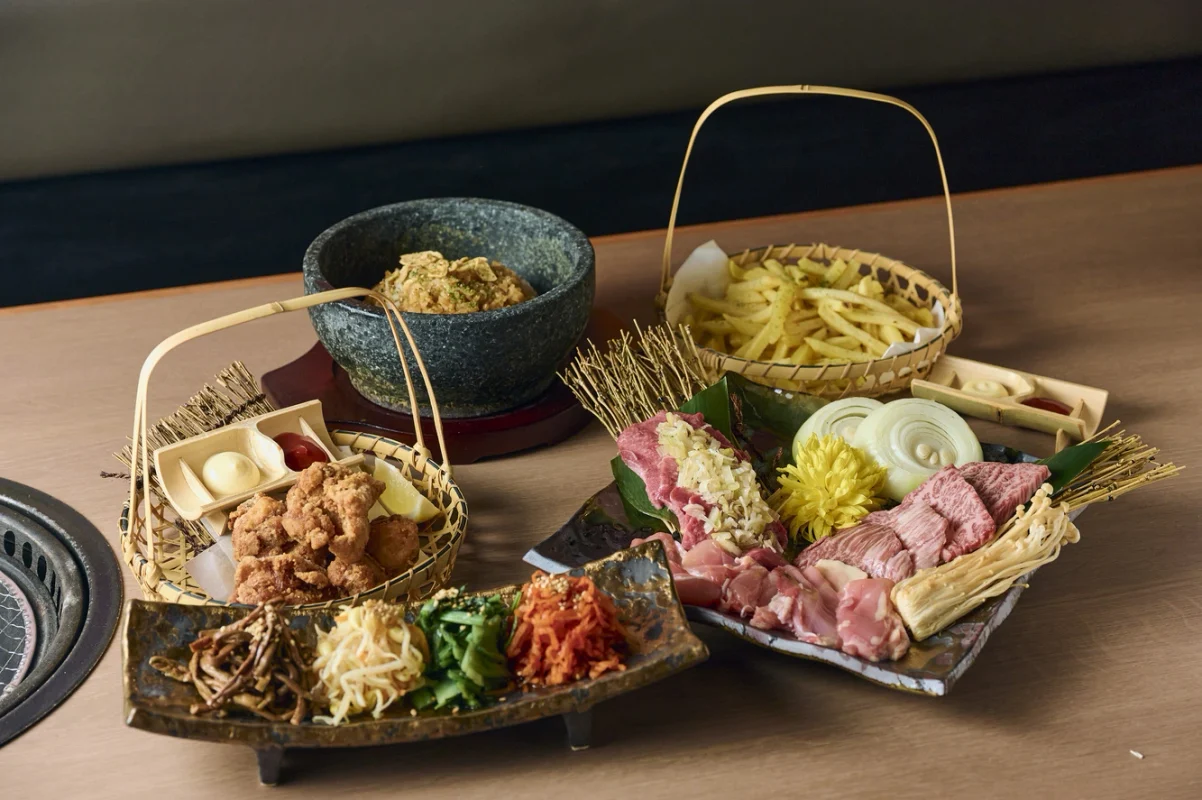
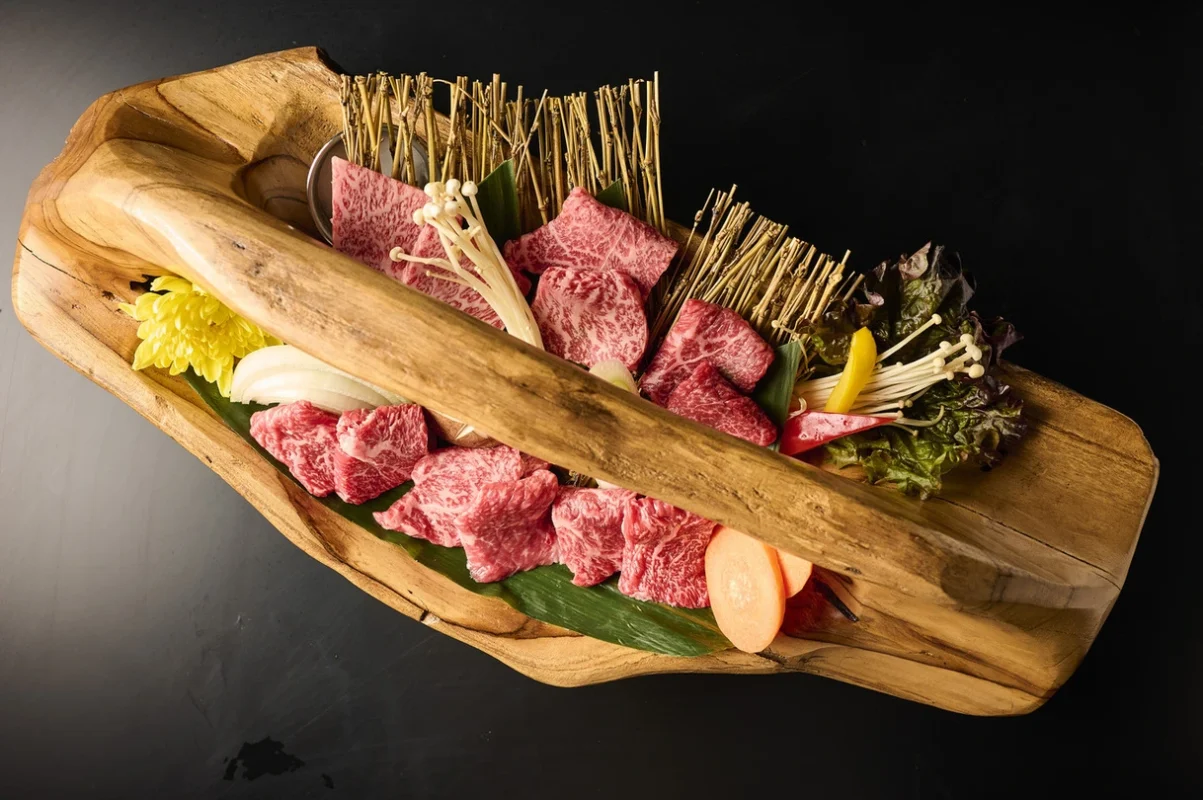
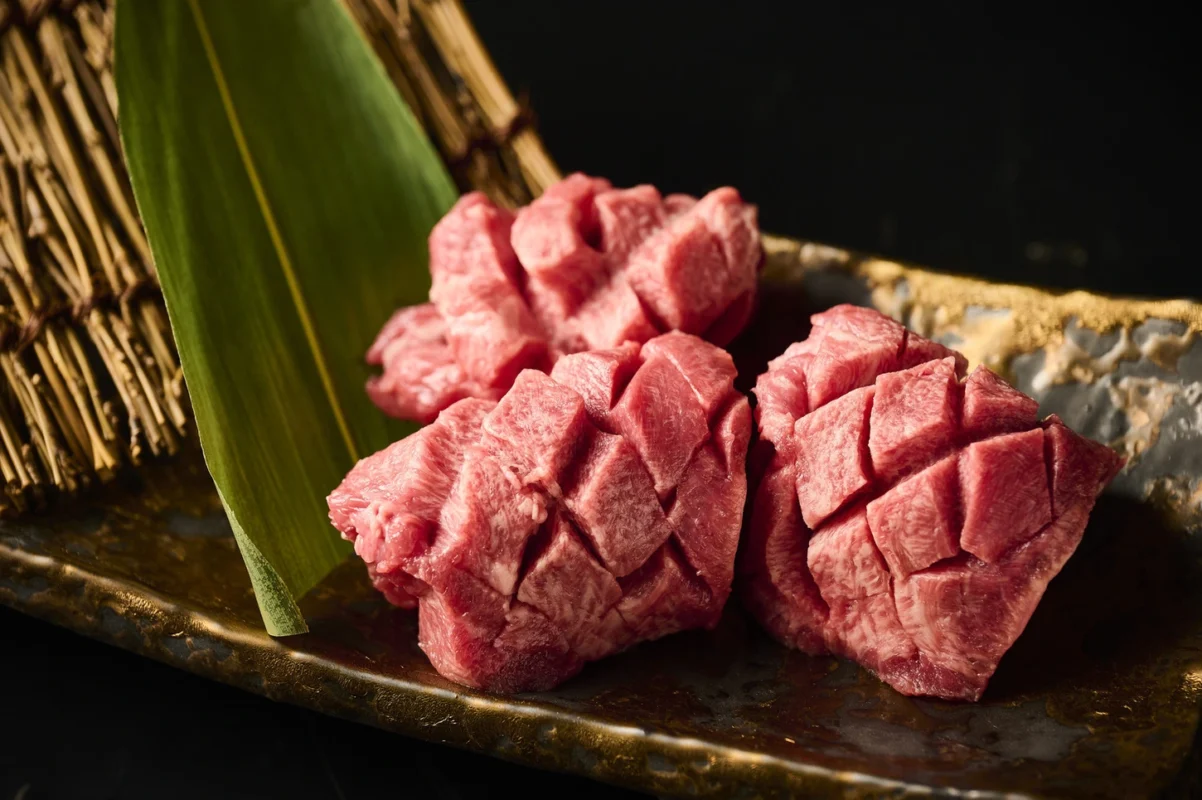
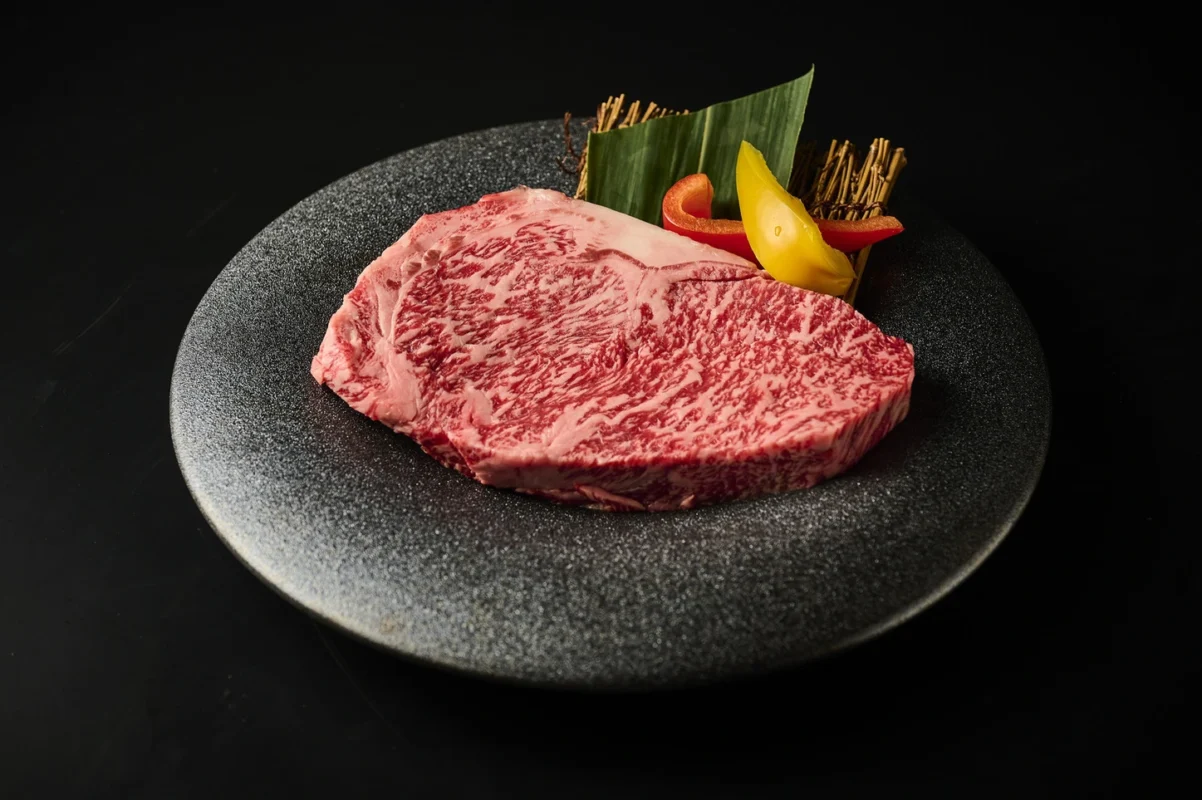
Yakiniku is the most hands-on and, for most first-time visitors, the easiest one to enjoy without overthinking it. A charcoal or gas grill sits built into your table, and you’re handed raw cuts – often several different ones, from tongue to short rib to premium marbled sirloin – to cook yourself, a few pieces at a time.
The appeal is control. You decide the sear, the timing, the order. A well-marbled A5 cut needs only 15-20 seconds a side over hot coals; overcook it and you lose exactly the texture you paid for. Yakiniku also tends to be the most social and casual of the three – conversation continues around the grill, nobody’s waiting for a communal pot to finish cooking, and it pairs naturally with sides like kimchi, garlic rice, and cold banchan.
If you want to actually taste the wagyu hot pot vs grill distinction directly, yakiniku is the “grill” side of that comparison – dry heat, direct char, a slightly smoky finish that neither hot pot style produces.
Sukiyaki: Rich, Sweet, and Built for Sharing Slowly
Sukiyaki takes the opposite approach. Thin-sliced beef and vegetables – napa cabbage, shungiku greens, negi, shiitake and enoki mushrooms, grilled tofu, shirataki noodles – simmer together in a shallow iron pot filled with warishita, a mixture of soy sauce, sugar, mirin, and sake. The result is a noticeably sweet, deeply savory glaze that coats everything in the pot.
The signature move is dipping each hot bite into a small bowl of raw beaten egg before eating. It sounds unusual to a lot of first-timers, but the egg does real work here – it cools the bite slightly and smooths out sukiyaki’s intense sweetness into something rounder and creamier.
Sukiyaki is traditionally a winter dish, and it’s built for a slower, more communal pace than yakiniku; a server often cooks the first round tableside and walks you through it before letting you continue.
Shabu-Shabu: Light, Clean, and Almost Meditative
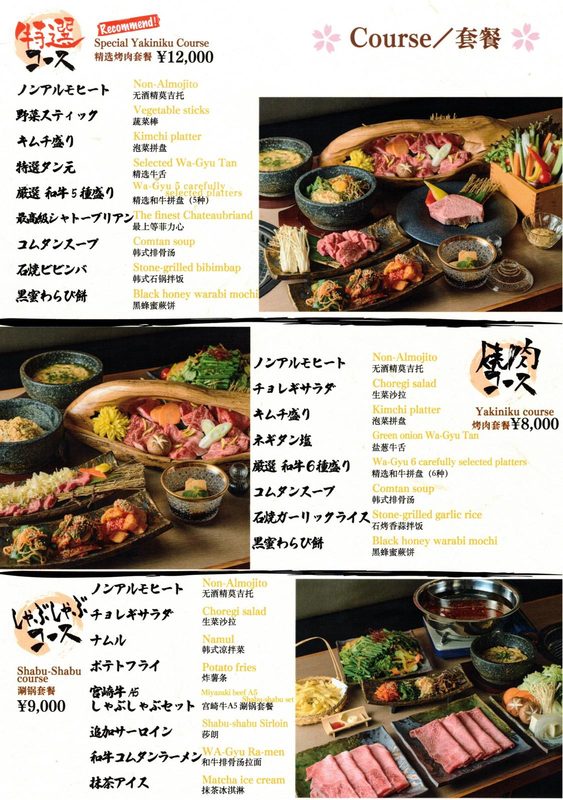
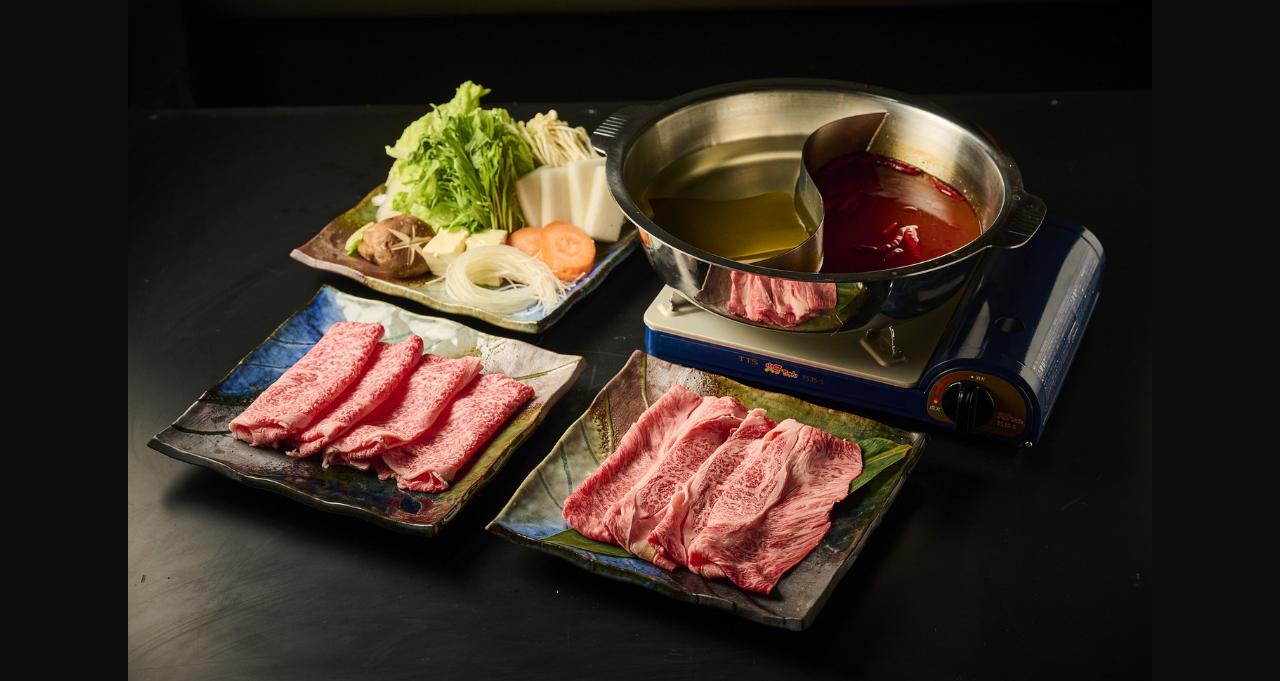
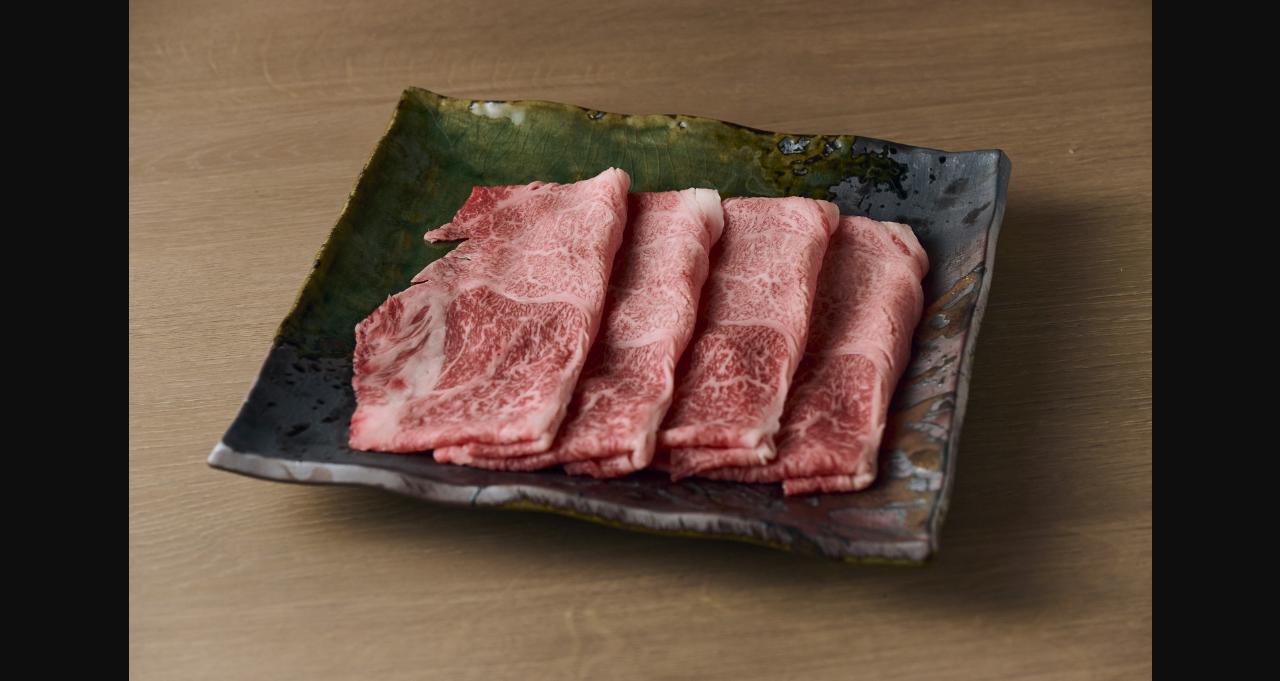
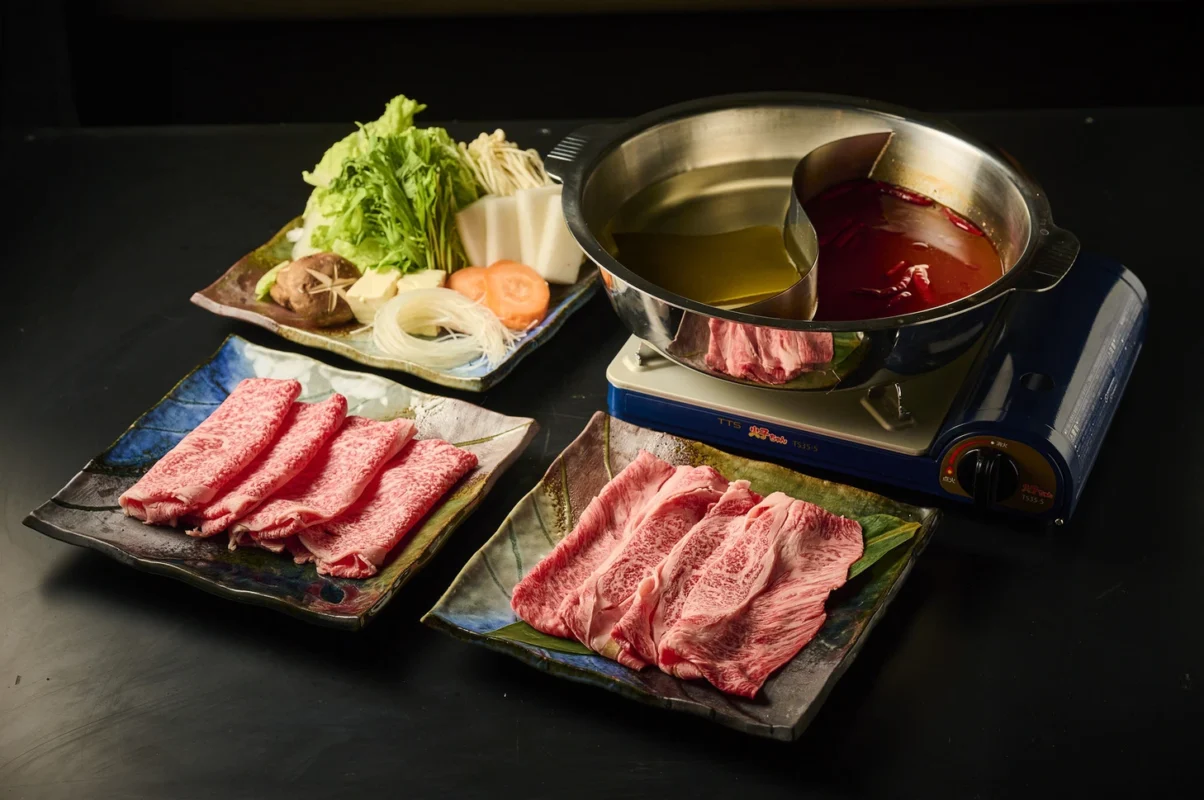
Shabu-shabu is the lightest of the three by a wide margin. The name itself is onomatopoeia -“swish swish”- describing the motion of holding a paper-thin slice of beef in simmering kombu dashi broth for just five to ten seconds before it’s ready. There’s no heavy sauce cooked into the meat here; the broth stays clear and delicate, and the beef gets dipped afterward in either ponzu (citrus-soy) or a sesame-based sauce.
Because the cooking time is so brief and the broth so light, shabu-shabu lets the quality of the beef itself do almost all the talking – there’s nowhere for a lesser cut to hide. This is exactly why it’s often the style connoisseurs reach for when they want to actually taste a specific wagyu grade rather than experience it wrapped in bold seasoning. It’s also a noticeably interactive, almost meditative way to eat with a group, since everyone’s cooking their own pieces at a shared pace.
Yakiniku vs Sukiyaki vs Shabu-Shabu: Head-to-Head
| Yakiniku | Sukiyaki | Shabu-Shabu | |
| Cooking Method | Grilled (charcoal/gas) | Simmered in sweet soy sauce | Swished in light broth |
| Flavor Profile | Smoky, charred, bold | Sweet, rich, savory | Clean, light, delicate |
| Dipping | Tare sauce or salt | Raw beaten egg | Ponzu or sesame sauce |
| Pace | Fast, continuous | Slow, communal | Slow, interactive |
| Best For | First-timers, groups, casual nights | Cold weather, rich comfort food lovers | Tasting premium grade beef precisely |
So What’s the Best Way to Eat Wagyu in Japan?
There isn’t one universally correct answer – but there is a reliable way to decide.
- If it’s your first time eating wagyu at all, start with yakiniku. Grilling it yourself, cut by cut, is the most forgiving and educational way to learn what different textures and marbling levels actually feel like in your mouth.
- If you want maximum comfort and rich flavor, especially in colder months, sukiyaki delivers the most indulgent, dessert-adjacent experience of the three.
- If you specifically want to judge the quality of a premium cut — say, a genuine A5 Miyazaki wagyu — shabu-shabu is the most honest test. There’s no char, no heavy sauce, nothing to mask a lesser cut.
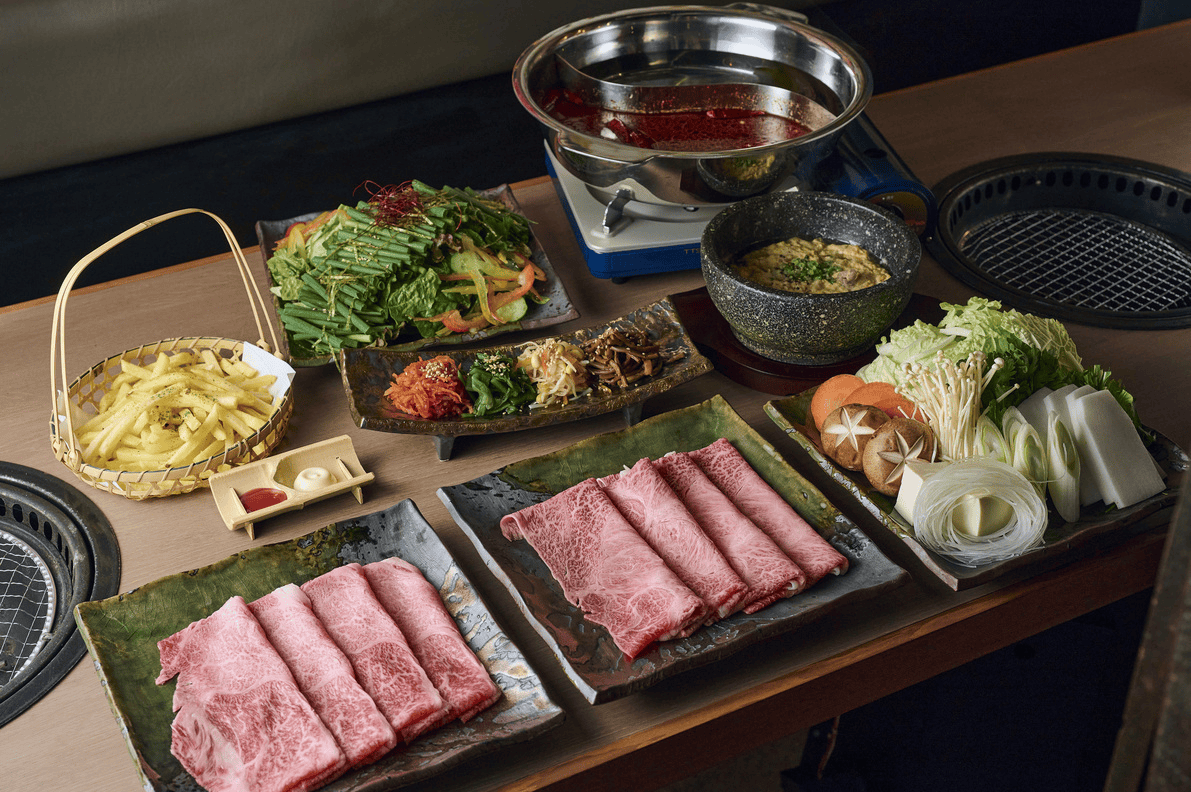
Can’t decide? You don’t have to. Many proper wagyu restaurants – ours included – offer both a Yakiniku Course and a Shabu-Shabu Course, so you can compare the same grade of beef prepared two completely different ways in one visit.
A Practical Tip Most Guides Skip
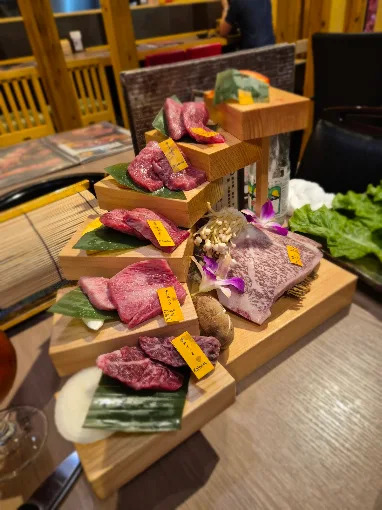
One detail that changes the experience more than people expect: portion pacing. In yakiniku, you control it naturally by grilling piece by piece. In sukiyaki and shabu-shabu, it’s easy to lose track of how much you’ve eaten because everything happens communally, in a shared pot. If you’re ordering a course specifically to taste a premium cut, ask for that cut to be served on its own round rather than mixed in with everything else – it’s a small request, and any good kitchen will happily do it.
How We Approach All Three at Gyu Sakura
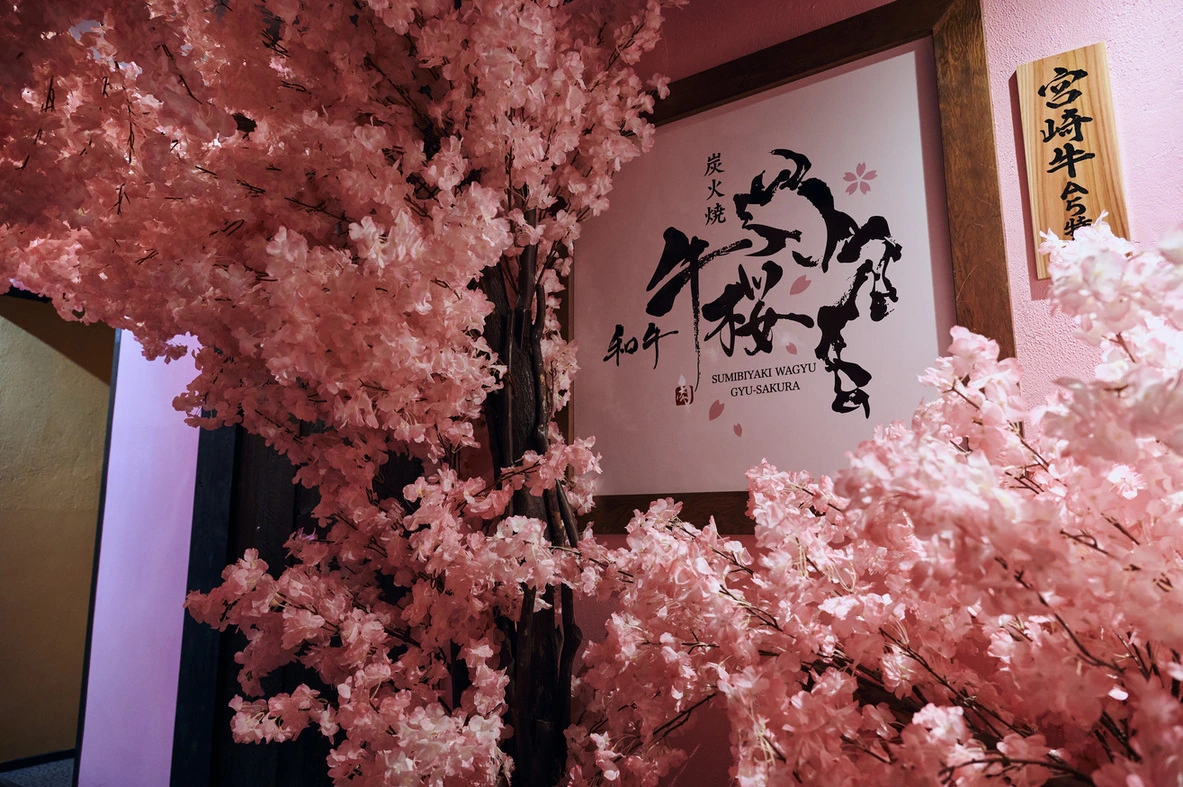
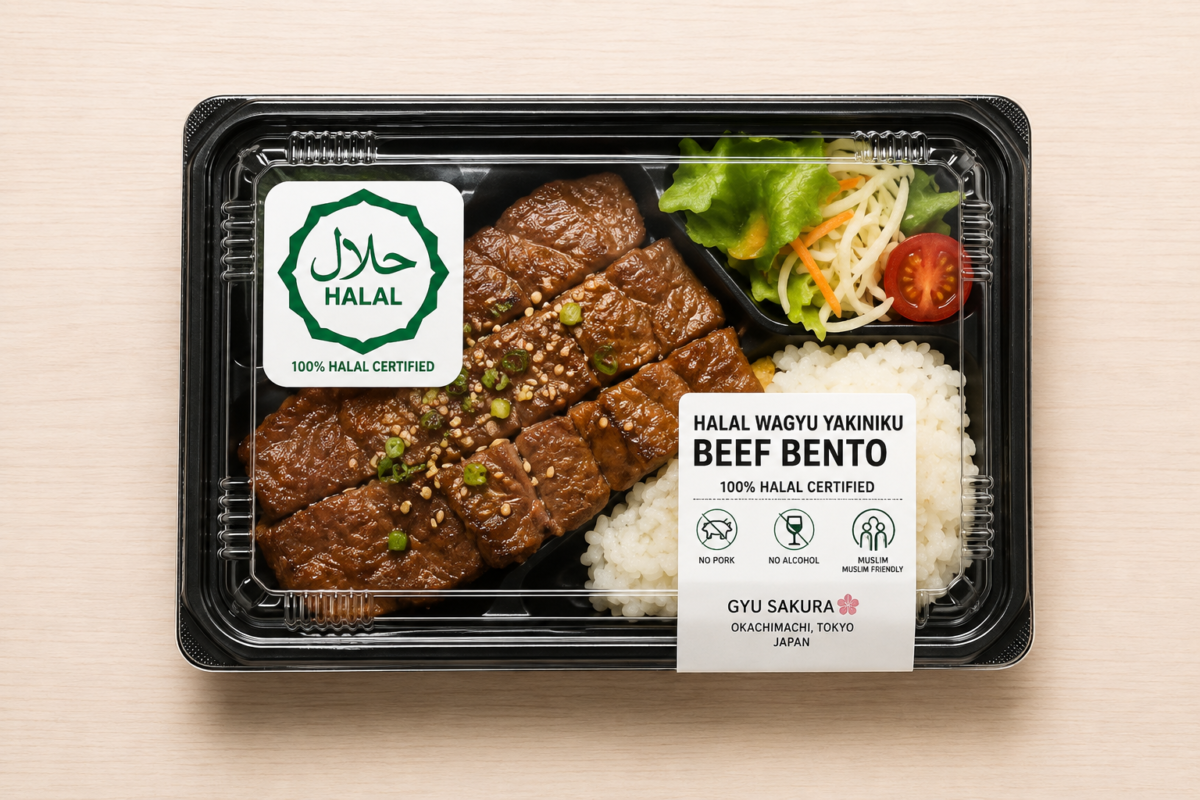
At Gyu Sakura, we build both our Yakiniku Course and our Shabu-Shabu Course around the same halal certified Miyazaki Black Wagyu A5, grilled over traditional sumibiyaki charcoal for the yakiniku experience, or thinly sliced for shabu-shabu. That means you can genuinely compare how the same grade of beef performs under two different cooking styles, rather than guessing based on separate visits to separate restaurants.
We’re located 4 minutes from Okachimachi Station and 8 minutes from Ueno Station, open 7 days a week, with course pricing that includes sides, soup, and dessert so there’s no guesswork about what you’re getting.
Which Should You Book First?
If you only have one wagyu meal in Tokyo, yakiniku is the safest, most rewarding entry point for almost anyone. If you’ve already had yakiniku and want to go deeper into what premium wagyu actually tastes like on its own terms, shabu-shabu is where that curiosity leads next. Sukiyaki, meanwhile, is worth booking specifically when you want comfort and richness over precision – it’s less about tasting the beef in isolation and more about the whole sweet, warming experience.
Whichever you choose, the wagyu itself matters more than the cooking method around it – which is exactly why the grade and certification behind your beef is worth asking about before you sit down.
Reserve your table: reservation.wagyusakura.com
Call us: 03-5826-4170
Visit: 6F, Okachimachi, Tokyo – 4 min from Okachimachi Station, 8 min from Ueno Station

One thought on “Yakiniku vs Sukiyaki vs Shabu-Shabu: Which Wagyu Style Should You Try First?”