

Blog
5 Signs a Halal Restaurant in Japan Isn’t Actually Certified

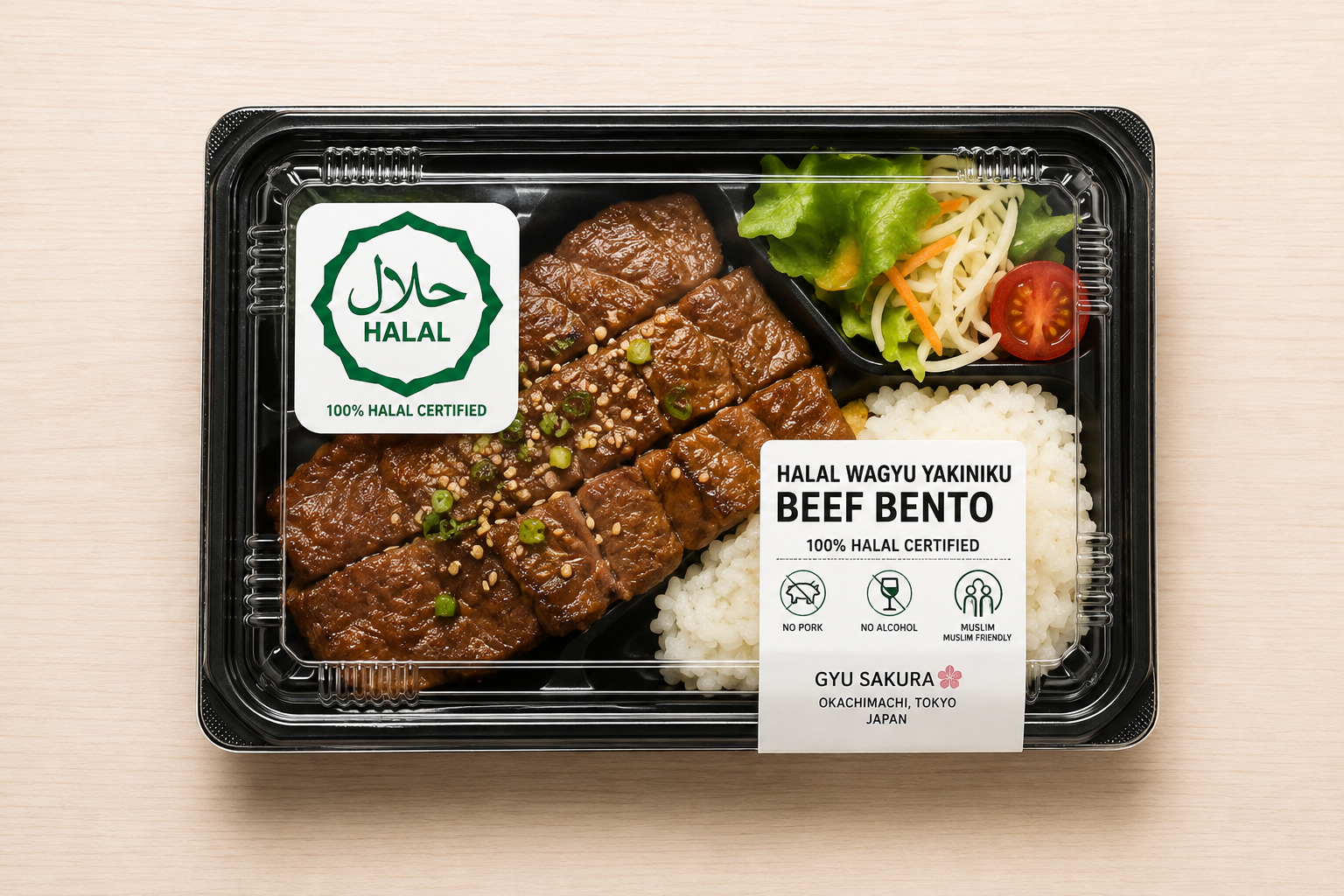
For Muslims navigating Japan’s dining landscape, one question reigns supreme: can I trust this establishment is genuinely halal? While it seems straightforward, in a country where halal cuisine is surging but oversight is still playing catch-up, a savvy diner must do their due diligence. Before you settle in and reach for that menu, watch for these five red flags that all may not be as halal as it appears.
Signs are:
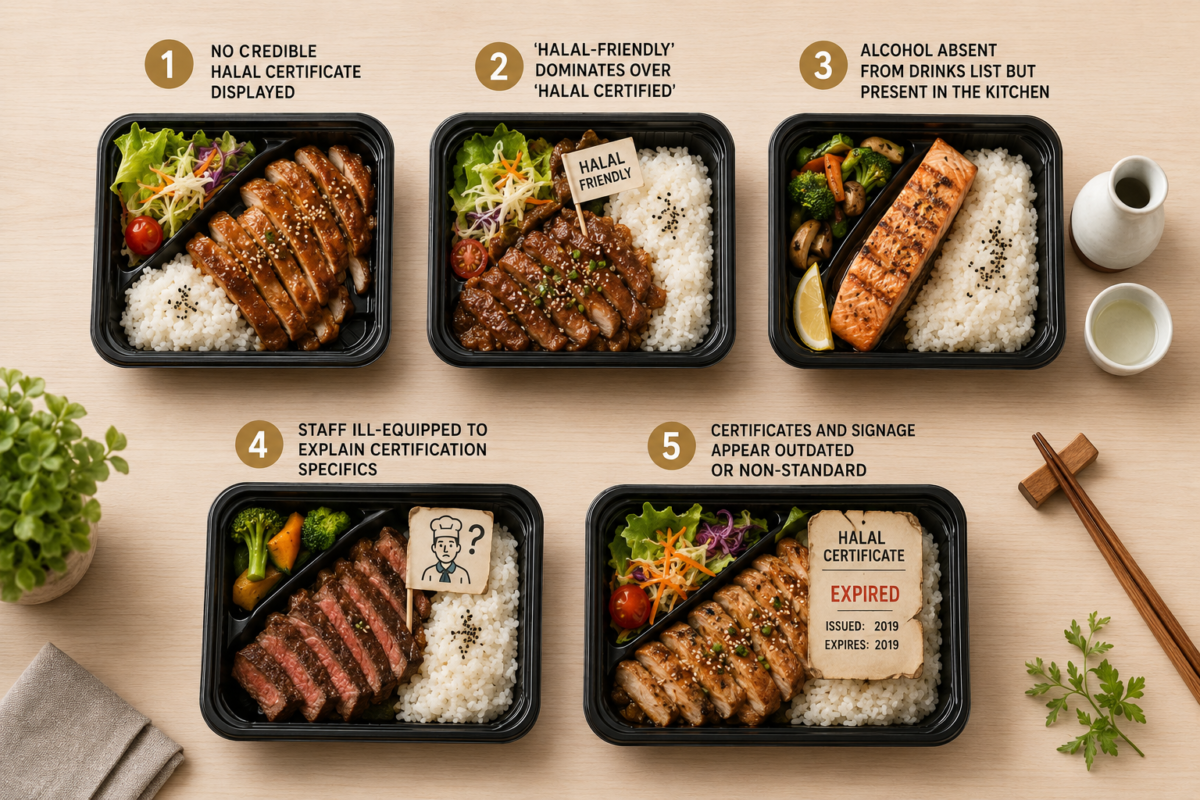
- No credible halal certificate displayed
A legitimate halal certificate – issued by a reputable organization like the Japan Halal Association – should be prominently exhibited at the entrance or register.
A mere ‘halal’ sticker without a certifying body carries little weight. If there’s no visible accreditation, it’s crucial to probe further before placing your order.
- ‘Halal-friendly’ dominates over ‘halal certified’
Be wary of menus touting ‘halal-friendly’ more than ‘halal certified.’ The former is a marketing term lacking official standing. It may signal the absence of pork, but it doesn’t guarantee the kitchen isn’t using the same surfaces and implements for non-halal items.
Alcohol may also be present in marinades and sauces. Authentic halal certification, in contrast, means every stage from sourcing to serving has been rigorously vetted. An abundance of ‘friendly’ over ‘certified’? Time to dig deeper.
- Alcohol absent from the drinks list but present in the kitchen
Many traditional Japanese dishes incorporate cooking alcohols like mirin and sake, even if the final product is ostensibly alcohol-free. Confirming a restaurant’s true halal status requires looking beyond the beverage menu.
Directly inquire if any alcohol is employed in food preparation, even if cooked off. Ambiguous or uninformed responses suggest ‘halal’ may only extend to the finished dish, not the entire process.
- Staff ill-equipped to explain certification specifics
In a fully halal-certified establishment, staff at all levels should be well-versed in the basics – the certifying entity, what halal entails for their ingredients and methods, and the frequency of audits.
Evasive answers, inconsistencies, or outright unfamiliarity indicate halal practices may be more aspirational than operational. Personnel at a genuinely halal restaurant will be confident and transparent about their certification.
- Certificates and signage appear outdated or non-standard
Halal certification is an ongoing commitment, typically requiring annual renewal. Certificates that are conspicuously dated, lack expiration details, or name an unfamiliar issuing body warrant closer examination. Cross-referencing against official certifier registries or resources like HalalNavi can reveal if a restaurant’s halal status is current. If they’re absent from these lists, their halal claims may be tenuous at best.
The Case for Extra Vigilance in Japan
Japan’s halal food landscape has witnessed explosive growth in recent years as the hospitality sector rushes to accommodate Muslim travelers and residents. However, the regulatory infrastructure hasn’t always matched the pace of this expansion.
While some nations maintain rigorous laws around halal labeling, in Japan, the term can be applied more liberally by establishments that adhere to some halal guidelines but lack comprehensive third-party certification.
As a diner, this makes it imperative to look beyond surface-level halal claims and verify the specifics that matter most to you.
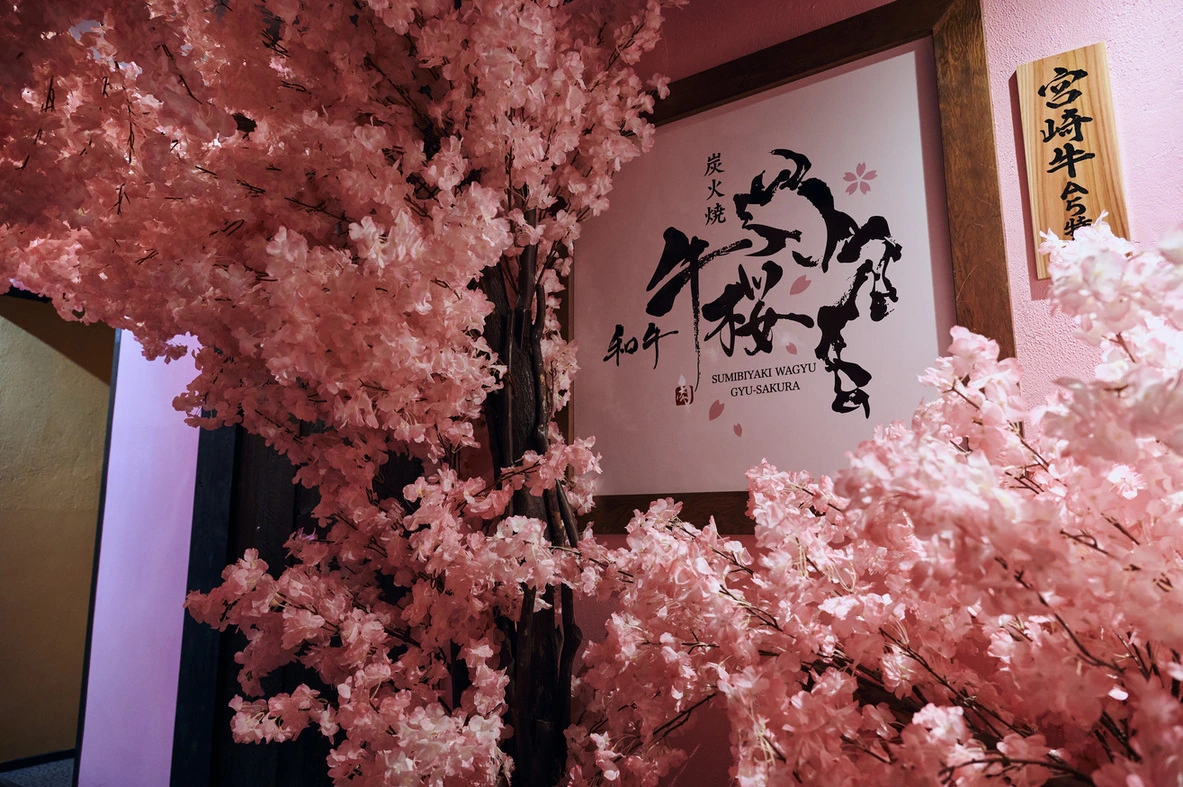
This isn’t to suggest authentic halal eateries are scarce in Japan. Reputable authorities like the Japan Halal Association have certified scores of exemplary establishments, with trailblazers like Gyu Sakura setting the gold standard.
But a bit of proactive investigation – into up-to-date certifications, ingredient sourcing, and staff knowledge – remains the key to worry-free halal dining.
Gyu Sakura: Unwavering Commitment to Halal Integrity
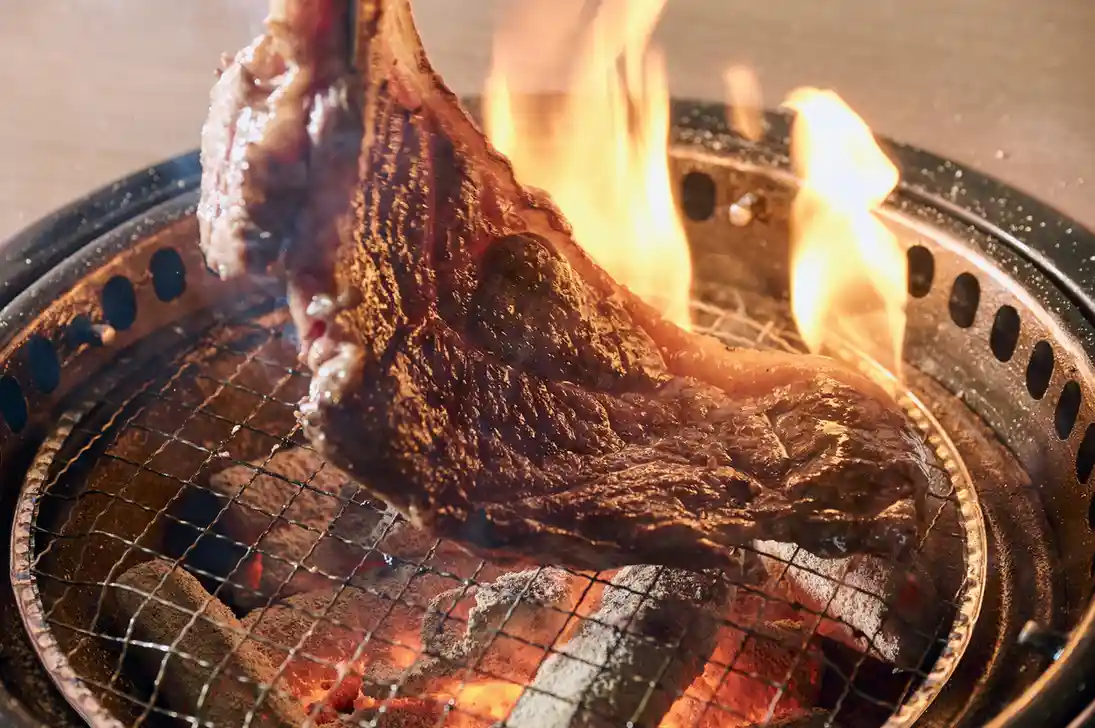
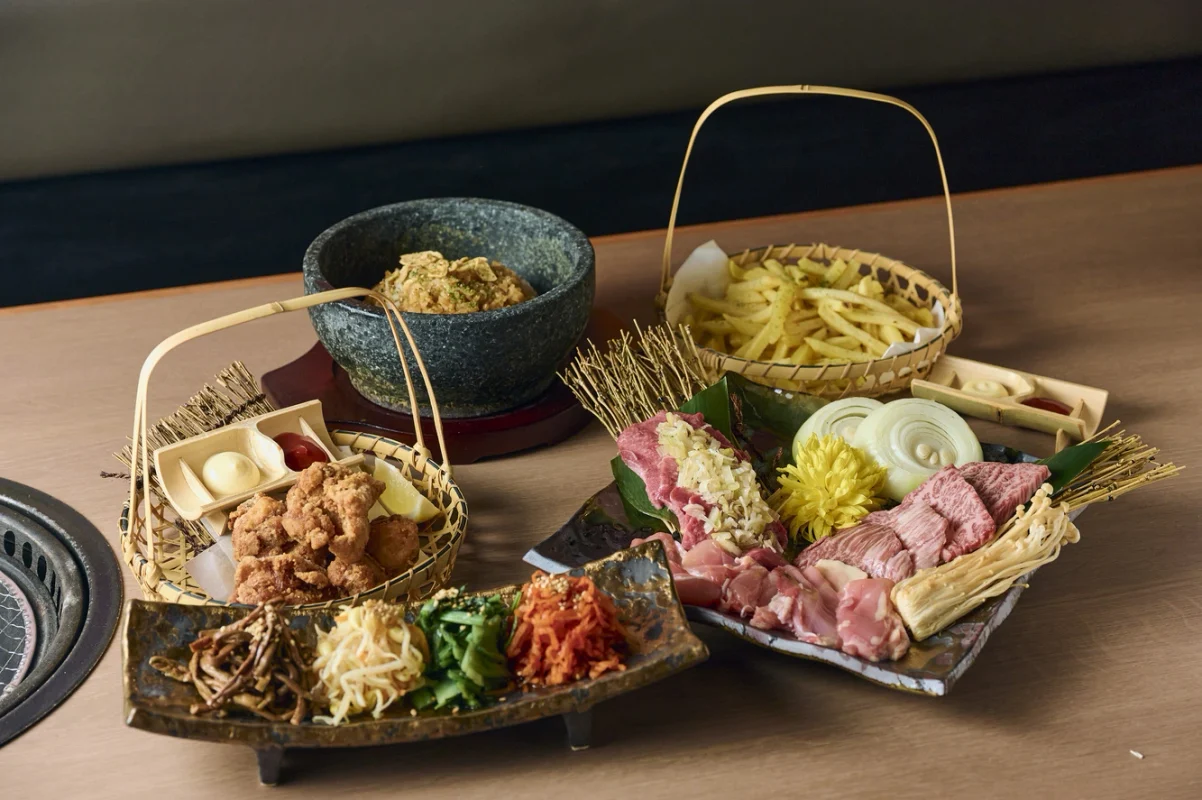
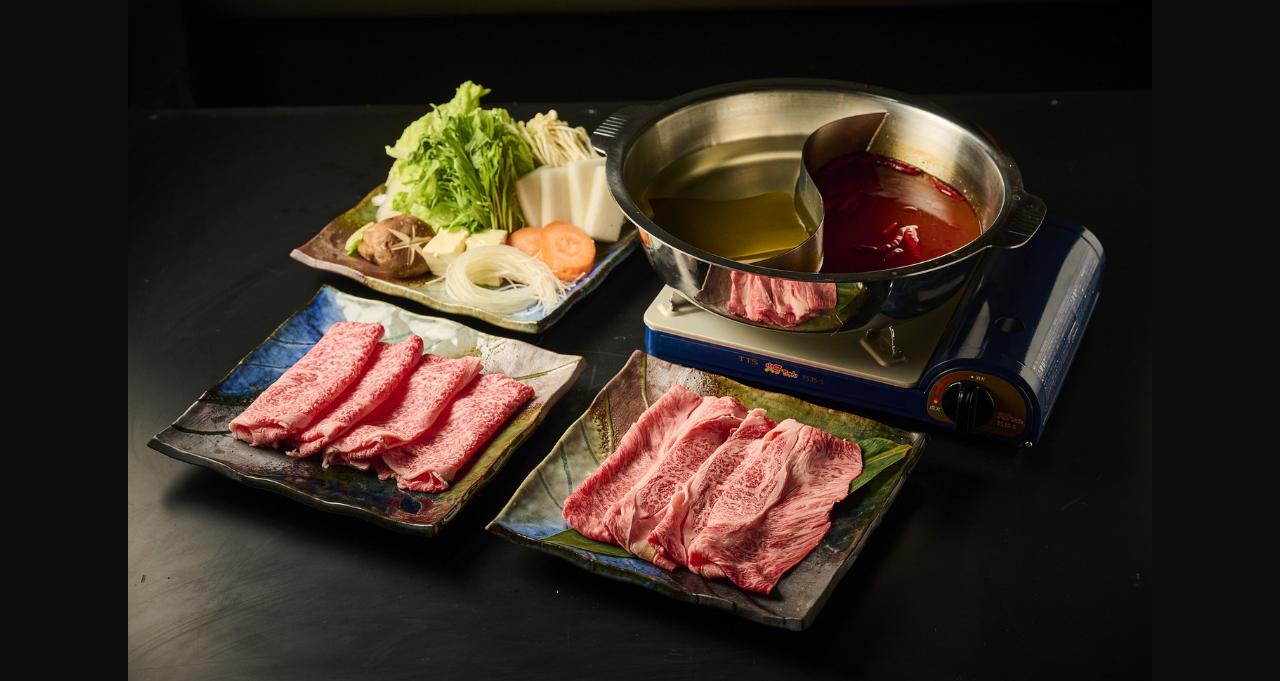
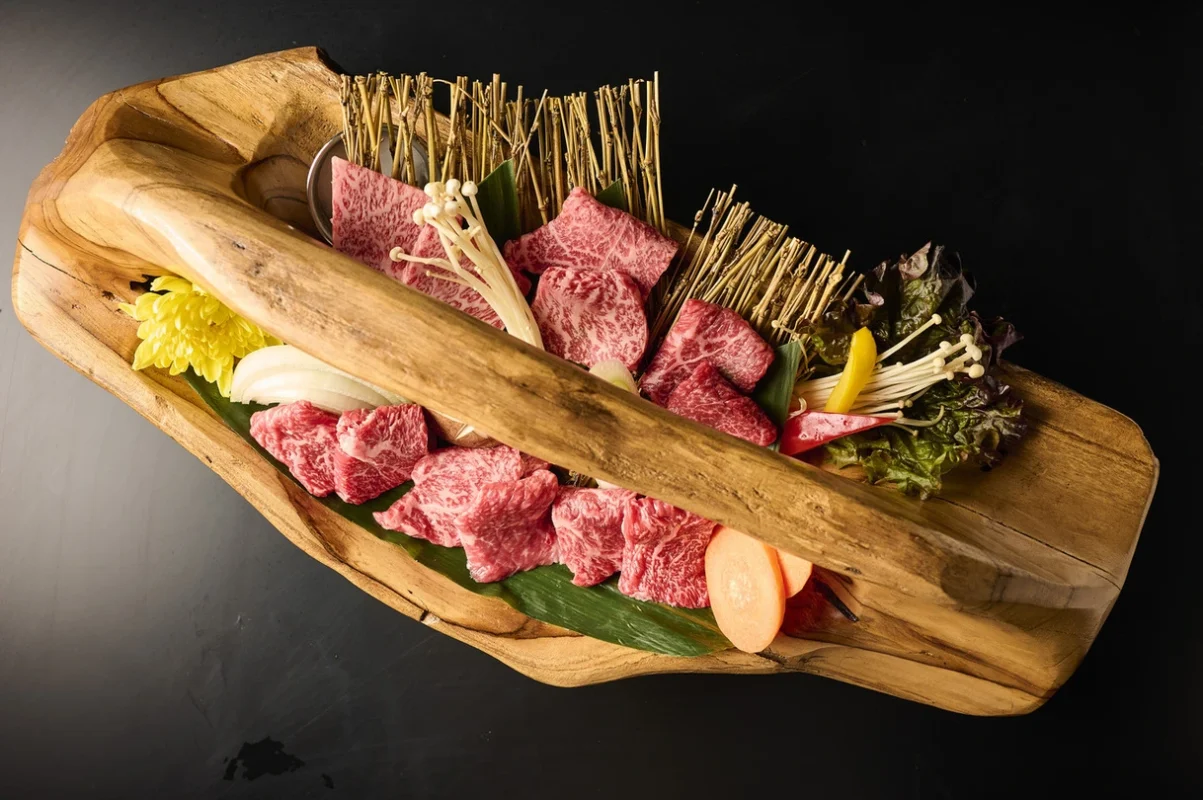
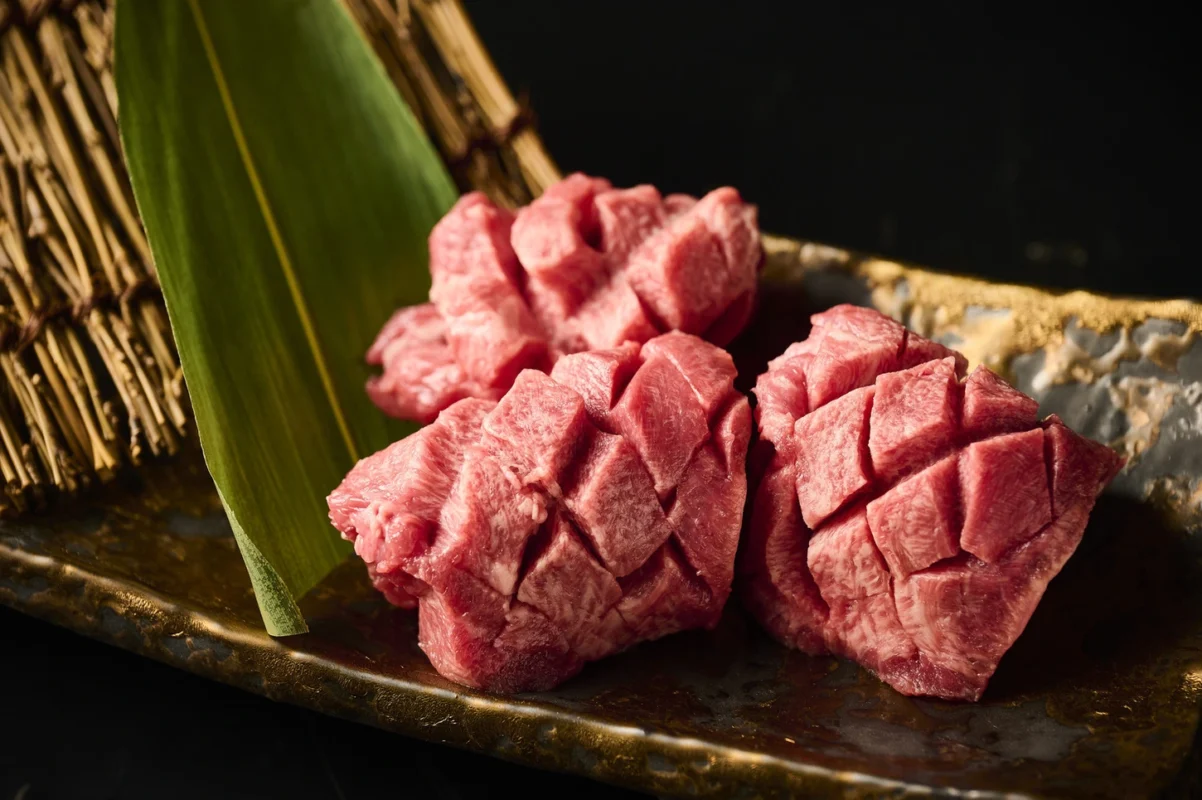
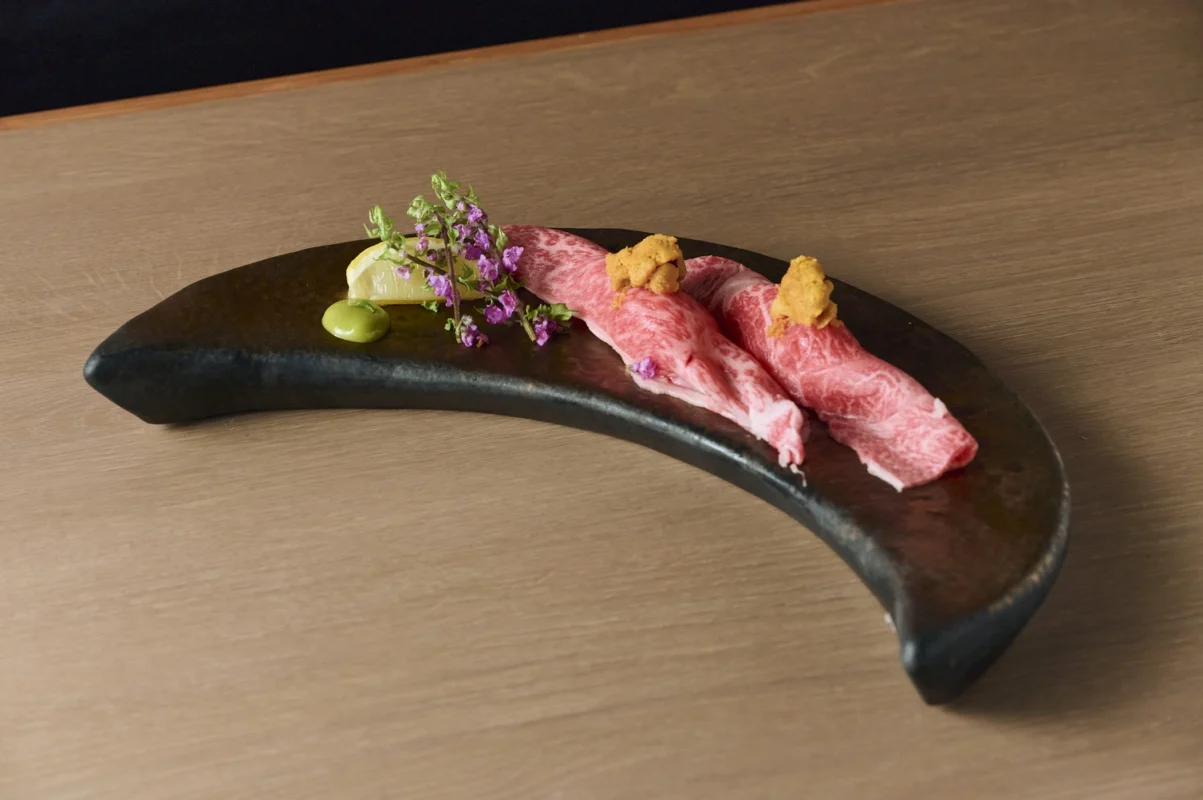
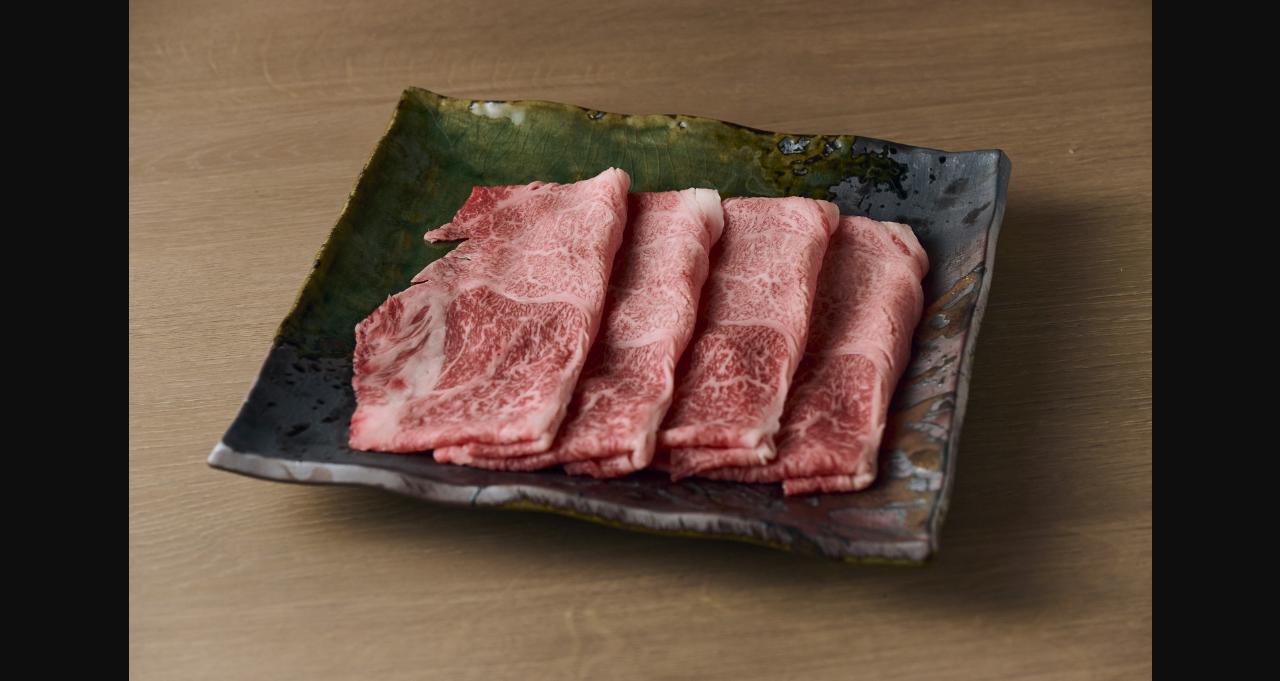
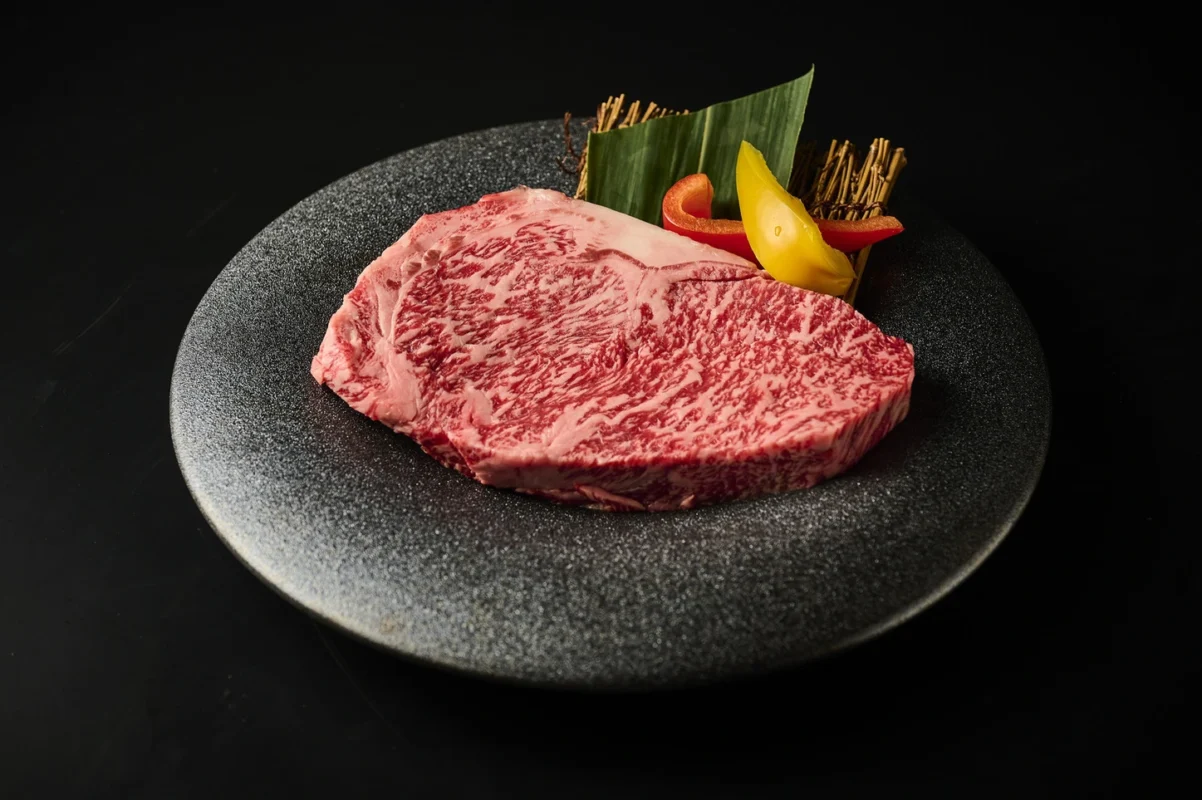
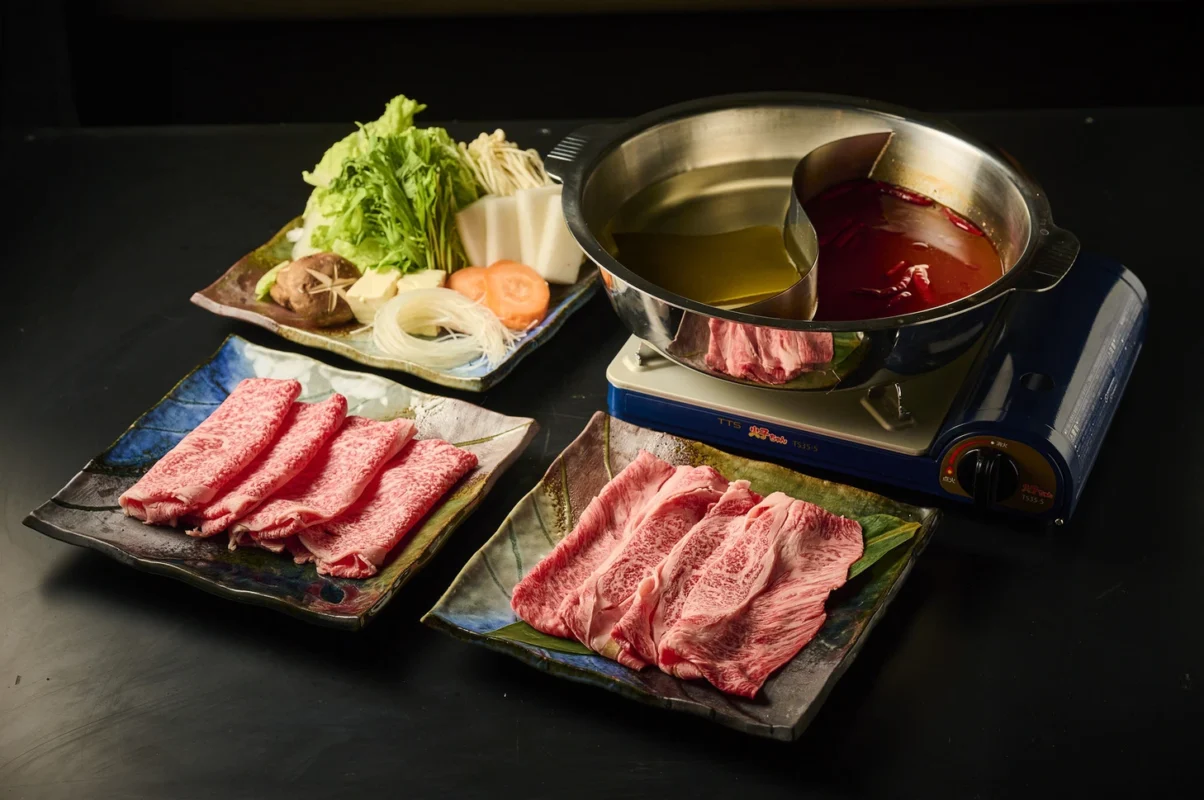
At Gyu Sakura, diners can rest assured that our halal promise is ironclad. We are proudly 100% certified by the Japan Halal Association, meaning zero alcohol or pork at any point from procurement to plate. Our esteemed Miyazaki A5 wagyu is sourced exclusively from verified halal suppliers, and every team member is thoroughly trained to articulate our halal standards with confidence and clarity.
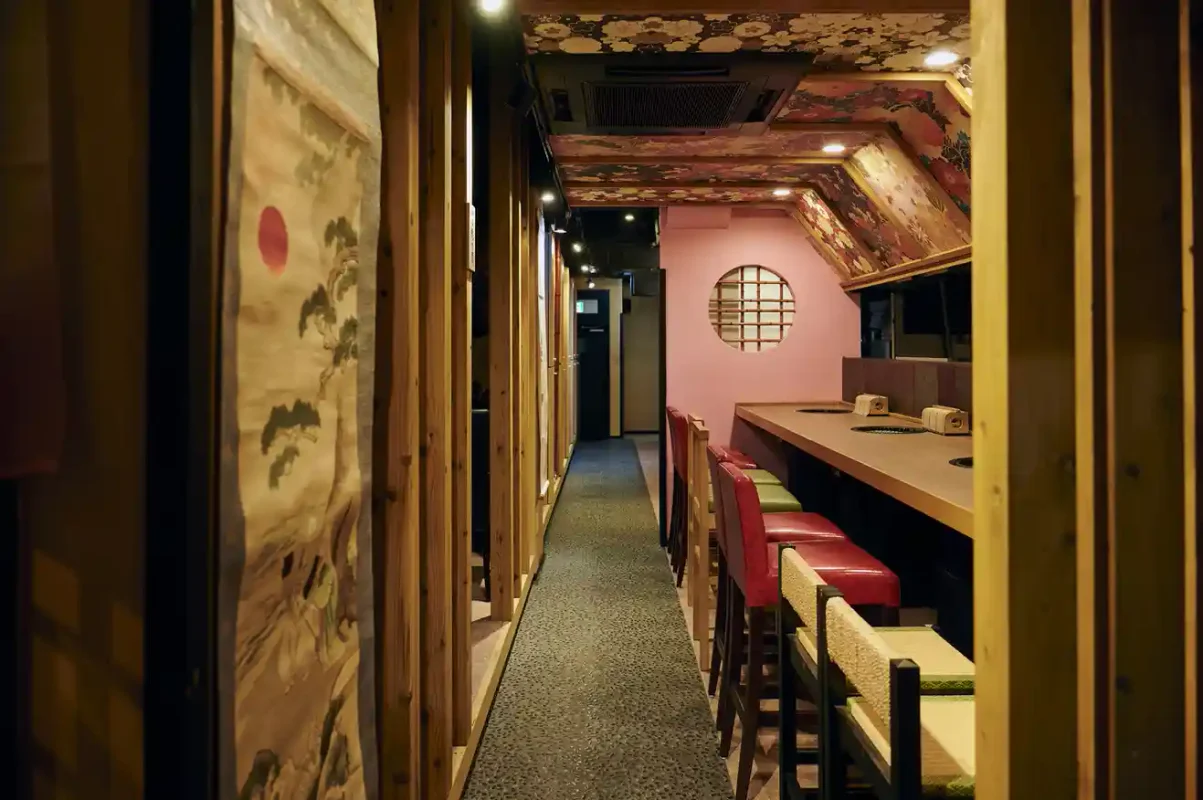
As Tokyo’s premier halal wagyu destination, we are honored to offer a dedicated in-house prayer room – a reflection of our belief that indulging in Japan’s culinary riches should never come at the cost of religious conviction. Whether you join us for a casual lunch or a milestone celebration, you can savor each morsel with absolute serenity, secure in the knowledge that your meal adheres to the most exacting halal benchmarks.
Navigating the Landscape with Confidence
Armed with these five guideposts, Muslim diners are empowered to identify truly halal gems across Tokyo’s vibrant food scene. By prioritizing explicit labels, informed staff, and readily verifiable certifications, you can transform a leap of faith into an educated choice – allowing you to relax and relish the exquisite flavors before you.
And when you’re ready for a halal experience that leaves no room for doubt, we’re here to make that a reality. Our doors, our kitchen, and our prayer space await.
Reserve your table: reservation.wagyusakura.com
Call us: 03-5826-4170
Visit: 6F, Okachimachi, Tokyo — 4 min from Okachimachi Station, 8 min from Ueno Station
Illuminating Statistics:
- Japan’s Muslim population has grown by nearly 30% in recent years (Pew Research Center, 2022)
- Global Muslim tourism expenditure is projected to reach $300 billion by 2026 (Mastercard-CrescentRating Halal Travel Frontier 2022 Report)
- Almost 60% of Muslims cite halal food availability as a crucial factor in choosing a travel destination (Mastercard-CrescentRating Muslim Travel Shopping Index 2015)
- Japan’s halal market is forecast to surpass $200 million by 2025 (Japan External Trade Organization)
As Japan’s hospitality industry increasingly caters to Muslim guests, the stakes for getting halal right have never been higher. But amidst rapid growth, a discerning diner’s vigilance remains the ultimate safeguard.
In a landscape where labels can sometimes outpace regulations, a little informed investigation goes a long way in ensuring an authentic halal dining experience.

One thought on “5 Signs a Halal Restaurant in Japan Isn’t Actually Certified”
Comments are closed.